

Kuwait files ICAO complaint over Iran airspace attacks
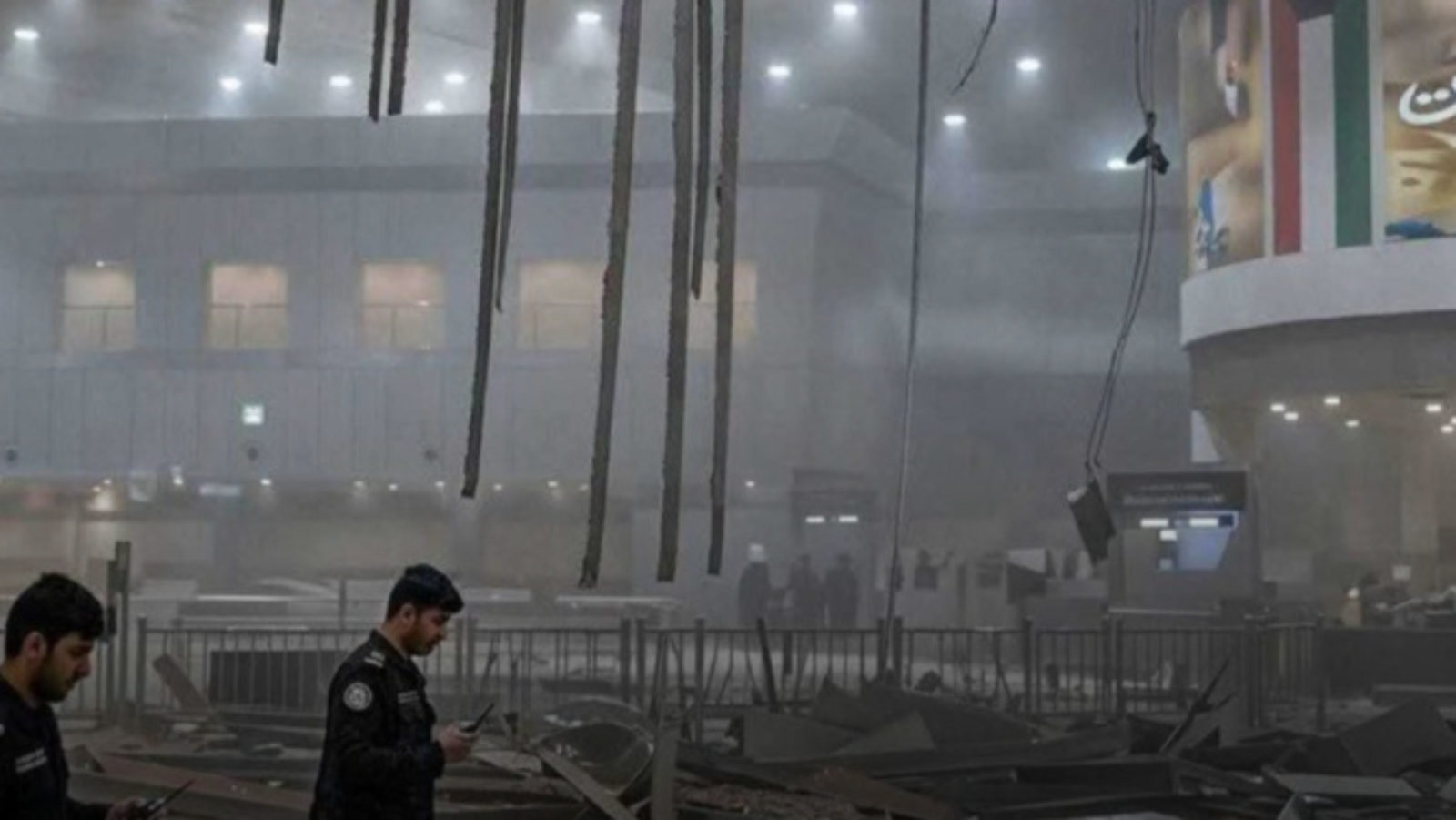
Kuwait files ICAO complaint over Iran airspace attacks raising aviation concerns
Kuwait has formally submitted a complaint to the International Civil Aviation Organization over recent incidents involving attacks linked to Iran that targeted its airspace and aviation facilities. The move underscores growing concerns about the safety of civilian aviation in the region as tensions continue to escalate.
The complaint was filed through Kuwait’s Directorate General of Civil Aviation, which described the incidents as serious violations of international aviation standards. Officials emphasized that such actions put passengers, airline crews, and airport personnel at risk while disrupting normal air traffic operations.
Details of airspace violations and airport disruptions
According to Kuwaiti authorities, the attacks specifically targeted areas connected to Kuwait International Airport earlier this month. The incidents forced the temporary suspension of flights, creating significant disruption for travelers and airlines.
The Directorate General of Civil Aviation stated that these actions endangered civilian aviation infrastructure and compromised the safety of operations. Flights were halted as a precautionary measure, and emergency protocols were activated to ensure passenger safety.
Such disruptions not only affected travel schedules but also placed additional pressure on airport management and airline operators working to manage the situation.
Impact on aviation safety and passenger security
The Kuwait files ICAO complaint over Iran airspace attacks highlights the serious implications for aviation safety. Civilian aircraft operate under strict international regulations designed to ensure the safety of passengers and crew. Any violation of controlled airspace poses a direct threat to these standards.
Authorities warned that attacks in or near aviation zones increase the risk of accidents, particularly if aircraft are in the vicinity during such incidents. The safety of thousands of passengers can be compromised within moments if proper security is not maintained.
In addition to physical risks, such events create anxiety among travelers and may lead to reduced confidence in regional air travel. Maintaining trust in aviation systems is essential for the stability of global travel networks.
Financial losses and economic consequences
The disruption caused by the attacks has also resulted in financial losses for Kuwait’s aviation sector. The suspension of flights affected airlines, airport operations, and related services, leading to economic setbacks.
Airlines faced delays, cancellations, and logistical challenges, while airport authorities had to manage additional operational costs associated with emergency measures. These impacts highlight how security incidents can quickly translate into economic consequences.
The broader aviation industry relies on consistent and safe operations. Repeated disruptions could affect regional connectivity and long-term growth in the sector.
Kuwait’s legal stance and international appeal
In its complaint, Kuwait outlined the nature of the violations and called on the International Civil Aviation Organization to take appropriate action. The country emphasized that the incidents represent a clear breach of established international aviation conventions.
Kuwait has also made it clear that it reserves the right to take further legal measures to protect its sovereignty and infrastructure. Officials stressed the importance of holding accountable those responsible for actions that threaten civilian safety.
By escalating the matter to an international body, Kuwait aims to ensure that global standards are upheld and that similar incidents are prevented in the future.
Role of ICAO in maintaining global aviation safety
The International Civil Aviation Organization plays a central role in regulating and overseeing global aviation standards. It works with member states to ensure safe and efficient air travel across international borders.
Kuwait’s decision to file a complaint places the issue within a broader international framework, allowing for coordinated action and investigation. ICAO’s involvement could lead to recommendations or measures aimed at improving safety in affected regions.
Such actions are essential for maintaining consistency in aviation rules and ensuring that all countries adhere to agreed standards.
Regional tensions and aviation risks in Middle East
The incidents come amid rising tensions in the Middle East, where ongoing conflicts have increased risks to both military and civilian infrastructure. Airspace in the region is becoming increasingly sensitive, with multiple countries facing security challenges.
Aviation routes often pass through or near conflict zones, making it crucial to ensure that these areas remain safe for civilian use. Any escalation in hostilities can have immediate effects on air travel, forcing rerouting or suspension of flights.
The Kuwait files ICAO complaint over Iran airspace attacks reflects broader concerns about the impact of regional instability on aviation safety.
Measures to protect airspace and infrastructure
In response to the incidents, Kuwait has reinforced its commitment to protecting its airspace and aviation facilities. Authorities are working to enhance monitoring systems and improve coordination between defense and aviation sectors.
Preventive measures are being considered to reduce risks and ensure that similar incidents do not occur in the future. This includes strengthening security protocols and increasing collaboration with international partners.
Protecting aviation infrastructure is a priority for all countries, particularly in regions where tensions are high. Effective measures can help minimize risks and maintain safe operations.
Future outlook for aviation safety and regional stability
The situation remains a concern as Kuwait files ICAO complaint over Iran airspace attacks, drawing attention to the need for stronger safeguards in the aviation sector. The outcome of the complaint may influence future policies and actions aimed at enhancing safety.
Ensuring the protection of civilian airspace requires cooperation at both regional and international levels. Countries must work together to address challenges and prevent incidents that could endanger lives and disrupt travel.
As developments continue, the focus will remain on maintaining aviation safety and stability in a region facing complex security challenges. The steps taken in response to this complaint may play a key role in shaping future approaches to protecting global air travel.