Japan Faces Trump Iran Demands as Takaichi Navigates Washington Pressure
High-Stakes Diplomacy with the United States
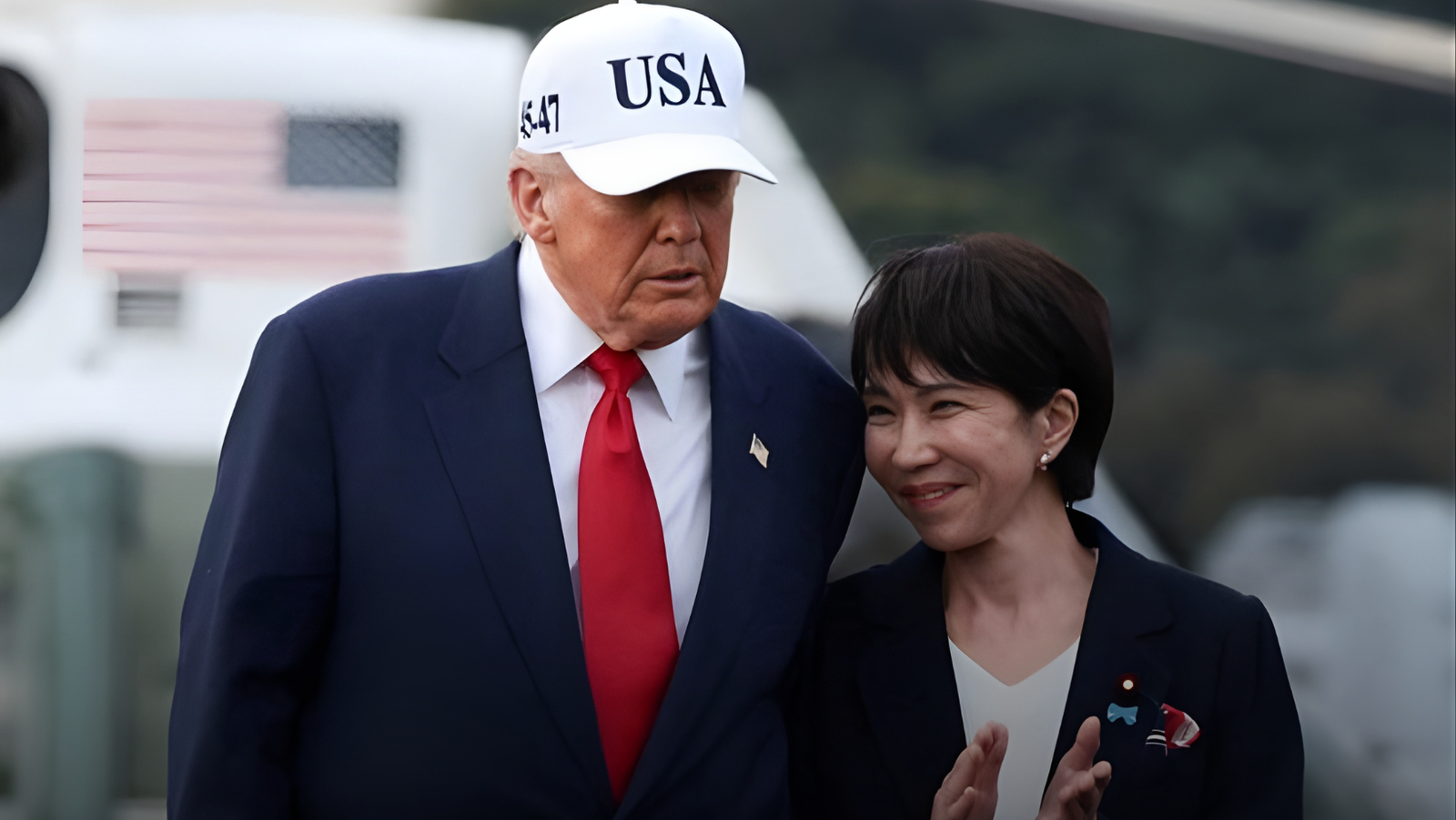
Japanese Prime Minister Sanae Takaichi arrived in Washington under intense scrutiny, facing direct pressure from U.S. President Donald Trump regarding the ongoing crisis in the Middle East. The Strait of Hormuz, a crucial maritime passage for global oil transport, has seen disruptions due to Iranian military activity, prompting Trump to call on allied nations, including Japan, to provide naval support for tanker escort operations.
For Takaichi, the stakes could not be higher. Committing Japanese forces to the Gulf would challenge the country’s pacifist constitution, while refusing outright risks straining the Japan–U.S. security alliance, a pillar of regional stability in Asia. Political analysts have described her meetings with Trump as a high-wire diplomatic act that requires balancing legal constraints, public opinion, and alliance obligations.
Japan’s Dependence on Gulf Oil and Strategic Interests
Japan relies on the Middle East for nearly 90 percent of its oil imports, most of which passes through the Strait of Hormuz. Any disruption in the strait could have immediate consequences for energy security, industrial production, and the cost of living for Japanese citizens.
While other U.S. allies, including European nations, have declined to send naval forces into the Gulf, Japan faces unique pressure because of its longstanding defense partnership with the United States. The Japanese government must consider legal, political, and public constraints before agreeing to any action. Analysts suggest Tokyo may focus on intelligence sharing, logistical support, or diplomatic channels rather than direct military engagement.
Domestic Political Constraints and Public Opinion
Domestic opinion in Japan is largely cautious about involvement in foreign conflicts. Recent polling indicates that only a small fraction of the population supports military participation in the Iran crisis. Constitutional limitations further restrict Japan from deploying forces in combat outside of self-defense scenarios, making direct military engagement legally and politically challenging.
Prime Minister Takaichi must navigate these constraints while ensuring that Japan demonstrates reliability as an ally. Failure to balance these considerations could affect her political standing and public support, which is particularly important given her recent rise to leadership.
U.S. Leverage and Strategic Pressure
President Trump has considerable leverage over Japan. The U.S. maintains approximately 50,000 troops on Japanese soil, along with carrier strike groups, advanced fighter squadrons, and missile defense systems. These forces serve as both a deterrent against regional threats from China and North Korea and a symbol of American commitment to Japan’s security.
Trump has previously used economic and trade policy tools, including tariffs and negotiations, to exert pressure on Japan. In the current context, he is pressing Takaichi to contribute to securing the Strait of Hormuz, applying both diplomatic and strategic pressure to achieve compliance without direct confrontation.
Balancing Alliance Obligations and National Security
Japan faces a delicate balancing act. Contributing to U.S.-led operations could strengthen alliance credibility, yet it risks violating domestic law and public expectations. Takaichi may offer support in non-combat roles, such as coordinating intelligence, facilitating logistics, or acting as a diplomatic intermediary with Tehran. Such measures would allow Japan to participate meaningfully while avoiding legal and political pitfalls.
Experts note that Japan’s position in the Middle East also serves as a test case for how allies might respond to U.S. requests in future global conflicts. Tokyo’s approach could set a precedent for other nations reluctant to commit forces directly.
Diplomatic and Humanitarian Options
Japan may emphasize diplomatic engagement and humanitarian assistance as alternative ways to support U.S. objectives. Past initiatives have seen Japanese leaders act as intermediaries between conflicting parties in the region, leveraging Japan’s neutral reputation. In the current crisis, Tokyo could similarly offer channels for communication, helping to reduce tensions while respecting constitutional limits.
Providing aid, coordinating dialogue, and offering logistical support can also bolster Japan’s international standing without exposing personnel to combat risks. This strategy reflects Japan’s broader foreign policy approach, which prioritizes regional stability and international cooperation.
Economic Implications of the Gulf Crisis
The disruption in the Strait of Hormuz has already affected global energy markets, leading to volatility in oil prices and potential ripple effects on Japan’s economy. Rising energy costs impact industrial production, transportation, and household expenditures, increasing pressure on Takaichi to find practical solutions that protect both national and alliance interests.
Indirect support for U.S. efforts, such as offering intelligence or diplomatic assistance, could help mitigate these risks. Japan’s government is also exploring ways to diversify energy sources and reduce reliance on Gulf imports, ensuring long-term resilience in the face of regional instability.
Strategic Implications for the Japan–U.S. Alliance
The high-pressure meetings in Washington underscore the delicate balance of the Japan–U.S. security partnership. Trump’s demands highlight the tension between immediate operational needs and long-term alliance stability. How Japan responds will influence its strategic position in Asia, the credibility of the alliance, and the willingness of other nations to join coalition efforts in the Gulf.
Analysts suggest that Tokyo’s approach must prioritize diplomacy, logistical coordination, and selective assistance rather than direct military engagement. Such a strategy demonstrates solidarity with the United States while safeguarding Japan’s constitutional commitments and domestic political support.
Regional and Global Implications
Japan’s handling of the Trump demands carries consequences beyond immediate military considerations. It affects energy security, regional stability in East Asia, and international perceptions of allied cooperation. Tokyo’s ability to balance alliance obligations, domestic politics, and regional strategy will serve as a model for managing future crises where legal, political, and operational pressures intersect.
By acting thoughtfully, Japan can maintain its role as a reliable partner while ensuring national security priorities are met. This careful navigation of U.S. pressure, energy concerns, and regional diplomacy will shape Japan’s influence in global security matters for years to come.
Conclusion
As Japan faces Trump Iran demands, Prime Minister Takaichi must manage a complex web of expectations, legal limitations, and political pressures. The outcome will not only affect Japan’s immediate contribution to the Gulf crisis but also its long-term diplomatic and security standing in Asia and beyond.
Through careful planning, indirect support, and diplomatic initiatives, Japan can uphold its alliance commitments without overstepping domestic constraints. How Tokyo responds will be closely watched, setting the tone for future interactions between allies and shaping the balance of power in both the Middle East and Asia.