
Japan Consulate in Jeddah Celebrates Emperor’s Birthday, Strengthens Saudi-Japan Ties
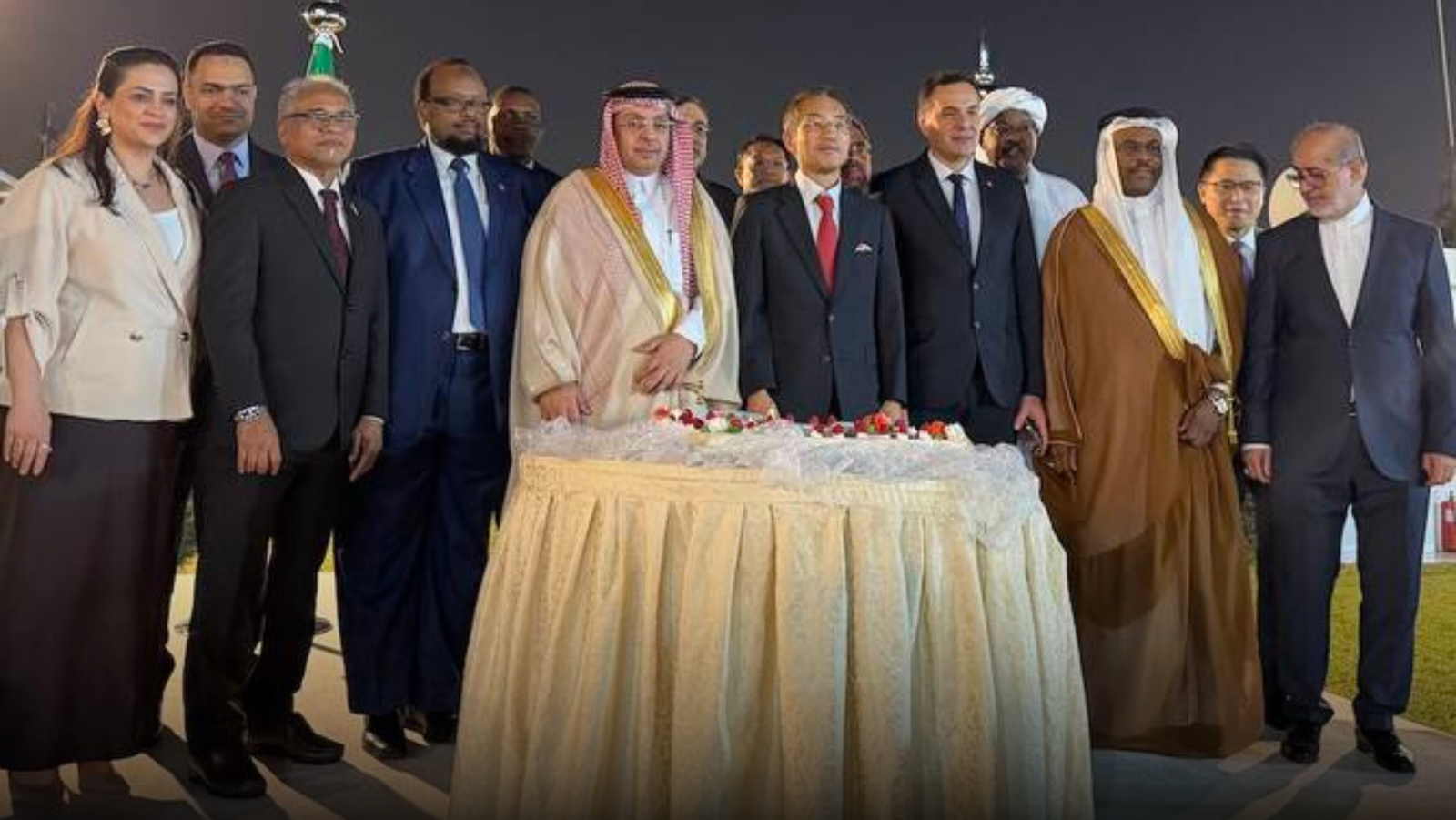
The Japan consulate in Jeddah marked the upcoming birthday of Emperor Naruhito with a formal reception on Thursday evening, underscoring deepening cultural and economic relations between Japan and Saudi Arabia.
The event, hosted at the residence of Consul General Daisuke Yamamoto, drew senior Saudi officials, diplomats, business representatives and members of the local community. Among the attendees were Prince Saud bin Abdullah bin Jalawi, governor of Jeddah, along with regional officials from the Ministry of Foreign Affairs and the municipality.
Speaking during the reception, Yamamoto emphasized the steady growth of bilateral cooperation across multiple sectors, highlighting both cultural engagement and expanding trade ties.
He noted that cultural exchange has become one of the most dynamic aspects of the Japan–Saudi relationship. Interest in Japanese pop culture, particularly anime and manga, continues to grow in the Kingdom, encouraging many young Saudis to pursue the Japanese language in order to experience original works and media.
Despite the enthusiasm, Yamamoto acknowledged that access to structured language education remains limited in Jeddah. While Japanese language programs are available in Riyadh, he said there is currently no dedicated institute in the western region, making self-study the primary option for many learners. He expressed hope that partnerships with Saudi institutions could help establish a permanent center in the future.
Economic cooperation also featured prominently in his remarks. Yamamoto stated that Japan ranks as Saudi Arabia’s third-largest trading partner, with bilateral trade reaching approximately $36 billion by the end of 2024 — representing significant growth over the past decade. Japanese firms are actively investing in sectors including energy, petrochemicals, automotive manufacturing, electronics and advanced materials.
He also encouraged Saudi investors to consider expanding their presence in Japan, pointing to opportunities in technology and innovation-driven industries.
Recent cultural initiatives were highlighted as examples of strengthening people-to-people ties. A Japanese cultural festival held at Hayy Jameel attracted thousands of visitors, while traditional Kabuki performances organized in cooperation with local cultural partners offered Saudi audiences exposure to classical Japanese arts alongside contemporary creative collaborations.
Yamamoto welcomed Saudi Arabia’s expected participation in upcoming global events in Japan, including major international sporting and environmental exhibitions scheduled over the next several years. He said such engagements further reinforce mutual understanding between the two nations.
The evening concluded with ceremonial cake-cutting and a showcase of Japanese cuisine, symbolizing both tradition and hospitality.
Reflecting on the broader relationship, Yamamoto described Japan and Saudi Arabia as longstanding partners whose cooperation spans generations. He expressed confidence that cultural, educational and economic collaboration will continue to expand under the leadership of both countries.