

Israeli Airstrikes Kill 12 Palestinians in Gaza Including Pregnant Woman
Israeli Airstrikes Kill 12 Palestinians in Gaza Including Pregnant Woman
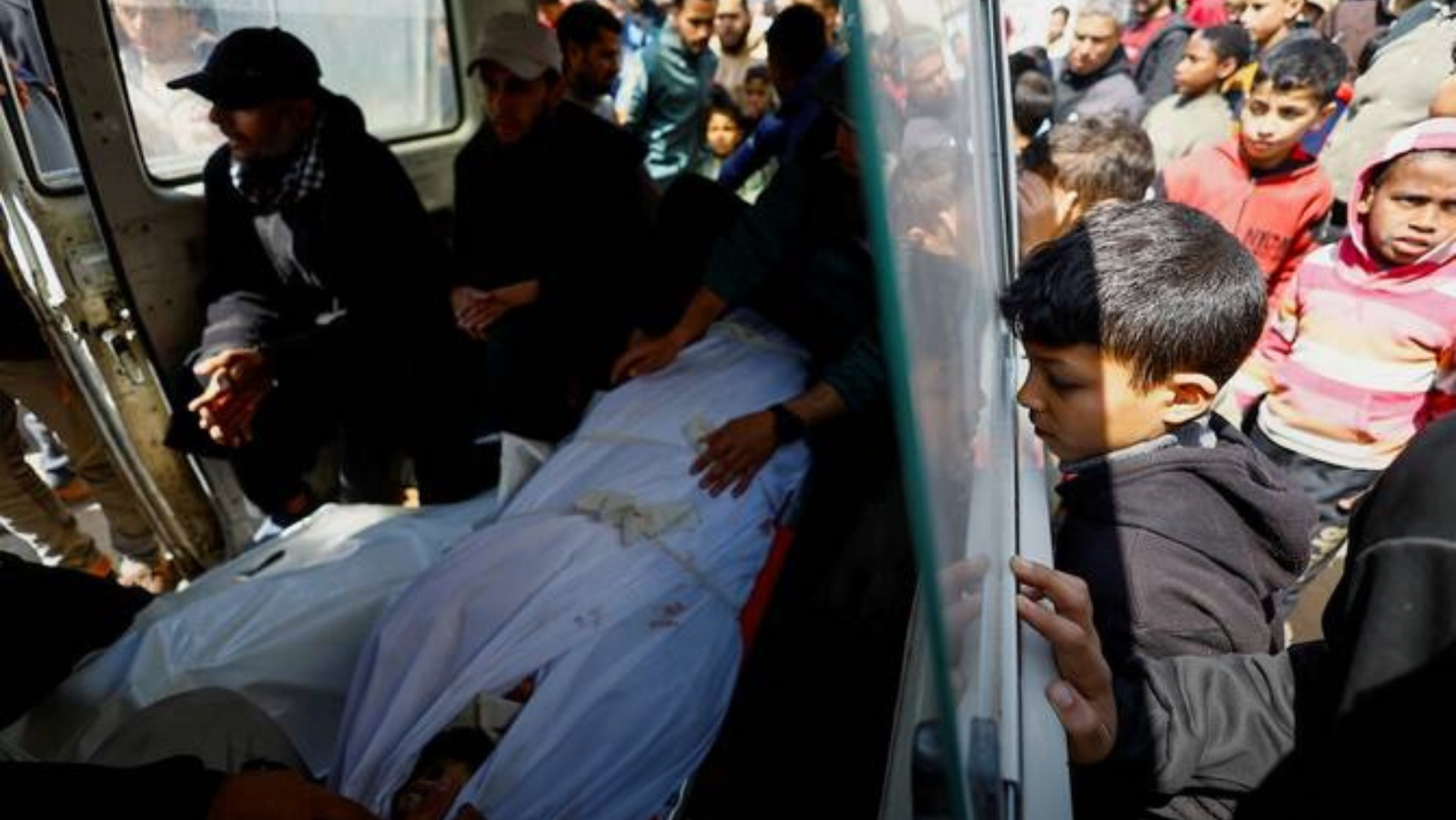
Violence once again shook the Gaza Strip after a series of Israeli airstrikes reportedly killed at least 12 Palestinians on Sunday, according to hospital authorities in the territory. Among those who lost their lives were two children, a pregnant woman expecting twins, and several members of the local police force. The incidents occurred in different areas of central Gaza and came despite an existing ceasefire that was intended to reduce hostilities between Israel and Hamas.
Medical staff at hospitals receiving the victims described scenes of chaos and grief as families rushed to identify their loved ones. The attacks took place in the central region of Gaza, an area that has witnessed repeated military activity since the beginning of the conflict that escalated in late 2023.
One of the most devastating strikes happened early in the morning in the densely populated refugee camp of Nuseirat. According to local medical sources, a missile hit a residential home where several members of the same family were staying overnight. The blast destroyed a large portion of the building and trapped residents beneath the rubble.
Doctors at Al-Aqsa Martyrs Hospital reported that four people died in the attack. The victims included a couple believed to be in their thirties and their young son who was around ten years old. Hospital officials also confirmed that the woman was pregnant with twins at the time of the strike. Another teenager from a nearby house was also killed and was taken to Awda Hospital in Nuseirat for identification.
Neighbors who witnessed the incident said the explosion occurred suddenly during the early hours while many families were still asleep. One resident explained that the noise of the missile strike woke people across the neighborhood, sending them rushing outside in panic.
According to local accounts, residents did not receive any warning before the strike occurred. Several houses close to the targeted building also suffered damage due to the strength of the blast, forcing families to evacuate temporarily while rescue workers searched through debris for survivors.
Later the same day, another strike targeted a police vehicle traveling along the Salah Al-Din road, one of Gaza’s main transportation routes that runs from the south to the north of the territory. The attack happened near the entrance to the town of Zawaida in central Gaza.
Officials from Gaza’s Interior Ministry reported that eight police officers were killed when the vehicle was struck. Among those who died was a senior officer identified as Colonel Iyad Abu Yousef, who had been serving in the central Gaza police command.
Bodies from the second strike were also transferred to Al-Aqsa Martyrs Hospital where medical staff confirmed the number of casualties. Hospital officials said that at least fourteen other people were injured during the incident and received treatment for various wounds.
The Israeli military later issued a brief statement saying that its forces had targeted a Hamas militant earlier in the day. The military explained that the operation came after an armed individual had opened fire toward Israeli troops. However, further details about the specific target or the exact circumstances of the strike were not provided.
In Gaza, the police force is overseen by the Hamas-run Interior Ministry. The police have historically been responsible for maintaining civil order and enforcing security throughout the enclave since Hamas took control of Gaza in 2007. During periods of intense conflict, however, police activity has often been disrupted.
When the current war intensified, many police units withdrew from public duties as Israeli military operations expanded into various parts of the territory. Airstrikes also targeted several security compounds and administrative facilities connected to Hamas.
Following the ceasefire that took effect months later, police officers gradually returned to the streets in areas where Israeli forces were not present. Their reappearance was intended to restore basic law enforcement and traffic control in neighborhoods struggling with widespread destruction and displacement.
Gaza Ceasefire Struggles as Violence and Casualties Continue
Although a ceasefire agreement had been introduced in an effort to reduce large-scale fighting, deadly incidents have continued to occur across the Gaza Strip. Palestinian health authorities say hundreds of people have died since the truce began, despite expectations that the agreement would bring relative calm to the region.
According to health officials in Gaza, more than 650 Palestinians have been killed in different incidents since the ceasefire started. Many of these deaths occurred during airstrikes or shootings in areas close to Israeli military positions.
Israeli authorities argue that their actions are responses to violations of the ceasefire, including armed attacks carried out by militants. Israel has also stated that some strikes target individuals believed to be involved in hostile activities.
However, Gaza’s Health Ministry reports that a significant portion of those killed during the truce period have been civilians, including women and children. The ministry maintains records of casualties but does not always distinguish between fighters and non-combatants in its public statistics.
The broader conflict that has devastated Gaza began on October 7, 2023, when Hamas-led fighters carried out a large-scale attack in southern Israel. The assault resulted in the deaths of more than 1,200 people and the capture of over 250 hostages, according to Israeli authorities.
Since then, the war has caused enormous destruction throughout Gaza and led to a massive humanitarian crisis. Palestinian health officials estimate that more than 72,000 people have been killed since the beginning of the conflict, though these figures are difficult to independently verify due to the ongoing hostilities.
International organizations, including United Nations agencies and humanitarian groups, have repeatedly called for stronger protection of civilians and expanded humanitarian access to the region.
In a separate development, Israeli officials announced that the Rafah border crossing between Gaza and Egypt would reopen for limited passenger movement starting Wednesday. The crossing had been closed for more than two weeks.
The Israeli body responsible for coordinating activities in Palestinian territories said the crossing would allow restricted travel in both directions but would not permit the movement of cargo or commercial goods.
Since the crossing first reopened earlier in the year, only a limited number of medical patients and wounded individuals had been permitted to leave Gaza for treatment abroad. Health authorities say more than 20,000 people still require urgent medical evacuation.
Some Palestinians who previously received treatment in Egypt were later allowed to return home through Rafah. A few returnees have claimed they faced difficult conditions during the process of crossing back into Gaza.
Despite occasional openings of humanitarian corridors and limited border access, the situation in Gaza remains fragile. Continued military activity, political tensions, and humanitarian shortages mean that lasting stability remains uncertain for the millions of people living in the enclave.