
Israel Threatens Iran Supreme Leader Successor Hunt
Israel Threatens Iran Supreme Leader Successor Hunt amid rising regional tensions
Israel’s military leadership has issued a strong warning regarding Iran’s political leadership, stating that it will pursue any individual involved in selecting or becoming the next supreme leader of Iran. The statement comes at a time of heightened tensions across the Middle East and follows ongoing confrontations involving Iran, Israel, and regional allies.
In a message published on social media in the Persian language, the Israeli military said it would continue targeting every successor connected to Iran’s future leadership structure. The warning also extended to individuals involved in appointing the next supreme leader, a process overseen by a powerful clerical institution responsible for selecting the country’s top authority.
The statement represents one of the strongest public threats directed at Iran’s political leadership in recent years and signals the possibility of further escalation in the already volatile regional situation.
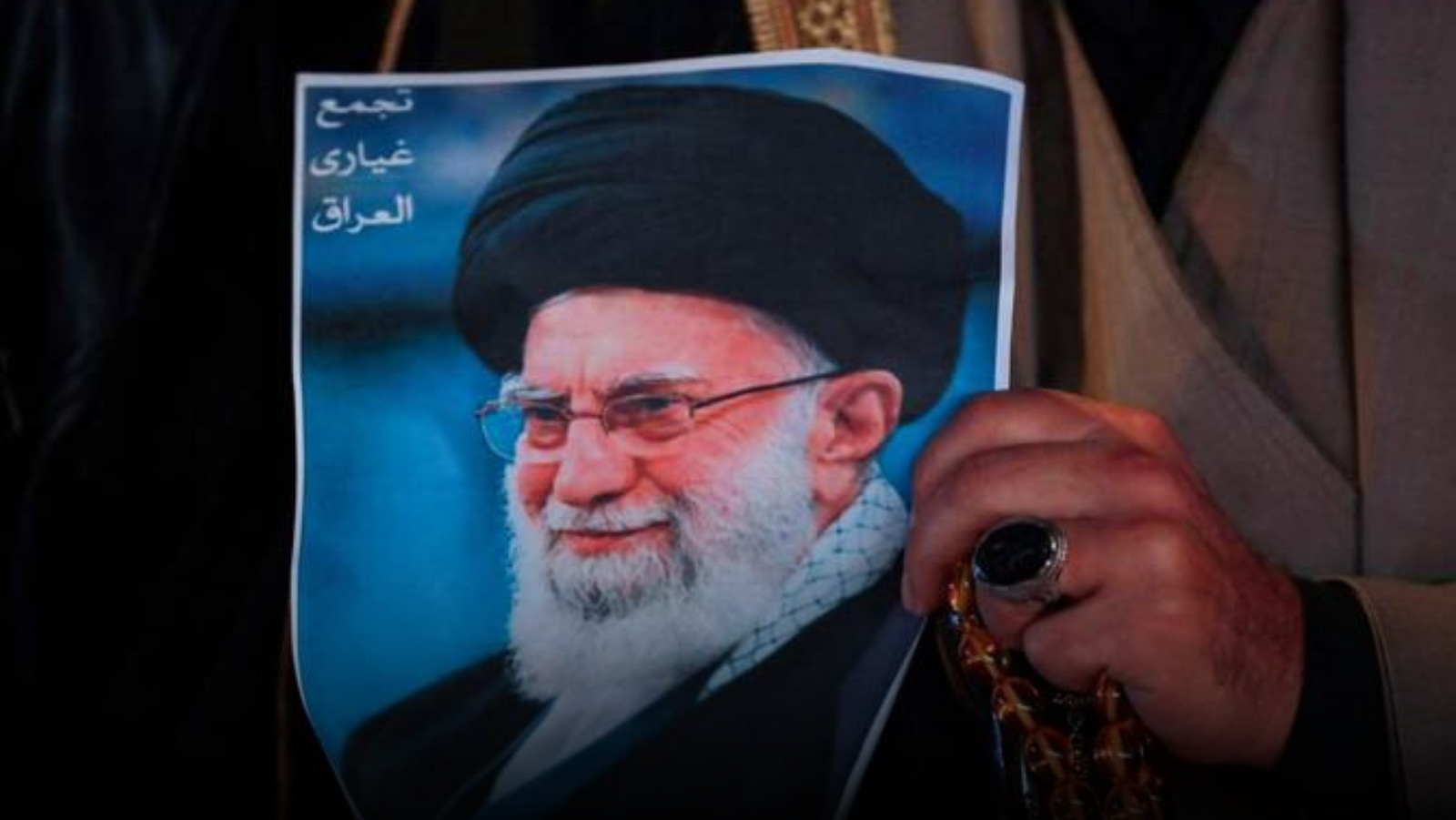
The body responsible for selecting Iran’s supreme leader is the Assembly of Experts, a council composed of senior clerics tasked with choosing the leader of the Islamic Republic. According to Iranian officials, the council has been working toward selecting a successor following the death of the country’s long-time leader Ayatollah Ali Khamenei.
Members of the assembly have indicated that a majority consensus has already been reached regarding the choice of the next leader, though several procedural issues remain unresolved. Iranian cleric Ayatollah Mohammadmehdi Mirbaqeri stated that while agreement exists among many members, certain obstacles related to the formal decision-making process still need to be addressed.
Reports from Iranian media suggest that the main disagreement within the Assembly of Experts concerns how the final decision should be announced. Some members believe that the official vote must occur during an in-person meeting of the council, while others argue that the decision could be issued without holding a formal gathering due to current circumstances.
Another member of the Assembly of Experts, Ayatollah Mohsen Heidari Alekasir, suggested that holding a physical meeting of the assembly might not be possible under the present conditions. In a video statement circulated through Iranian media channels, he explained that security concerns and other factors were preventing members from assembling for a traditional vote.
Despite the procedural disagreement, Alekasir stated that a candidate for the position has already been identified. He said the selection reflects guidance previously given by Iran’s late leader, who reportedly believed that the country’s top authority should be someone strongly opposed by foreign adversaries rather than praised by them.
The comments highlight the ideological framework often associated with Iran’s leadership structure, where resistance to external pressure is seen as a key characteristic of the country’s political identity.
Meanwhile, international attention has also focused on speculation about potential successors within Iran’s political and religious establishment. In recent days, discussions have emerged about possible candidates who could assume the position of supreme leader.
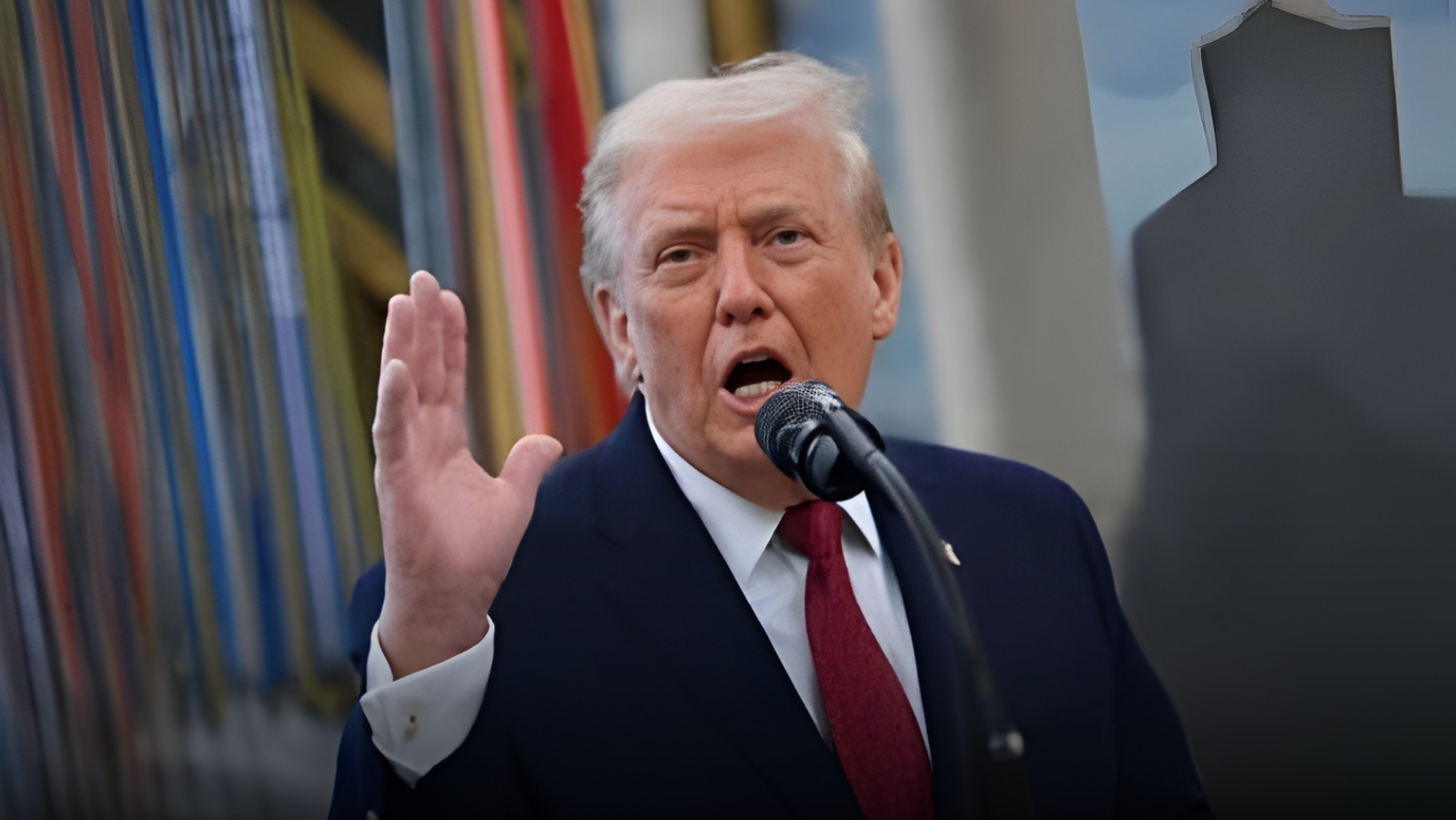
Among the names mentioned in political debates is Mojtaba Khamenei, the son of the late Iranian leader. However, his possible candidacy has drawn criticism from some international figures. United States President Donald Trump recently stated that he would view Mojtaba Khamenei as an unacceptable choice for Iran’s next supreme leader.
Such comments have further intensified geopolitical tensions surrounding the leadership transition in Tehran.
The Israeli military’s warning adds another layer of complexity to the situation. Analysts say that Israel’s statement appears intended to signal its willingness to confront Iranian leadership figures it views as responsible for policies threatening Israeli security.
Security experts warn that direct threats against individuals involved in Iran’s leadership succession process could significantly increase tensions between the two countries. Israel and Iran have long been regional rivals, frequently accusing each other of destabilizing activities across the Middle East.
The current environment is already strained due to ongoing military confrontations and retaliatory actions between Iran and several regional actors. Drone strikes, missile launches, and heightened military readiness across the Gulf have contributed to an atmosphere of uncertainty.
The leadership transition in Iran therefore carries broader implications not only for domestic politics but also for regional stability. Any change in the country’s highest authority could influence Iran’s foreign policy direction and its relationships with neighboring states.
Observers note that the Assembly of Experts typically conducts its deliberations behind closed doors, making the exact details of its discussions difficult to verify publicly. Nevertheless, the council’s final decision will ultimately determine who becomes the next supreme leader and shapes Iran’s political trajectory.
As the process continues, governments and analysts around the world are closely monitoring developments, recognizing that the outcome could affect regional security dynamics for years to come.