
Israel Targets Key Bridge in Southern Lebanon, Demands Demolition of Homes
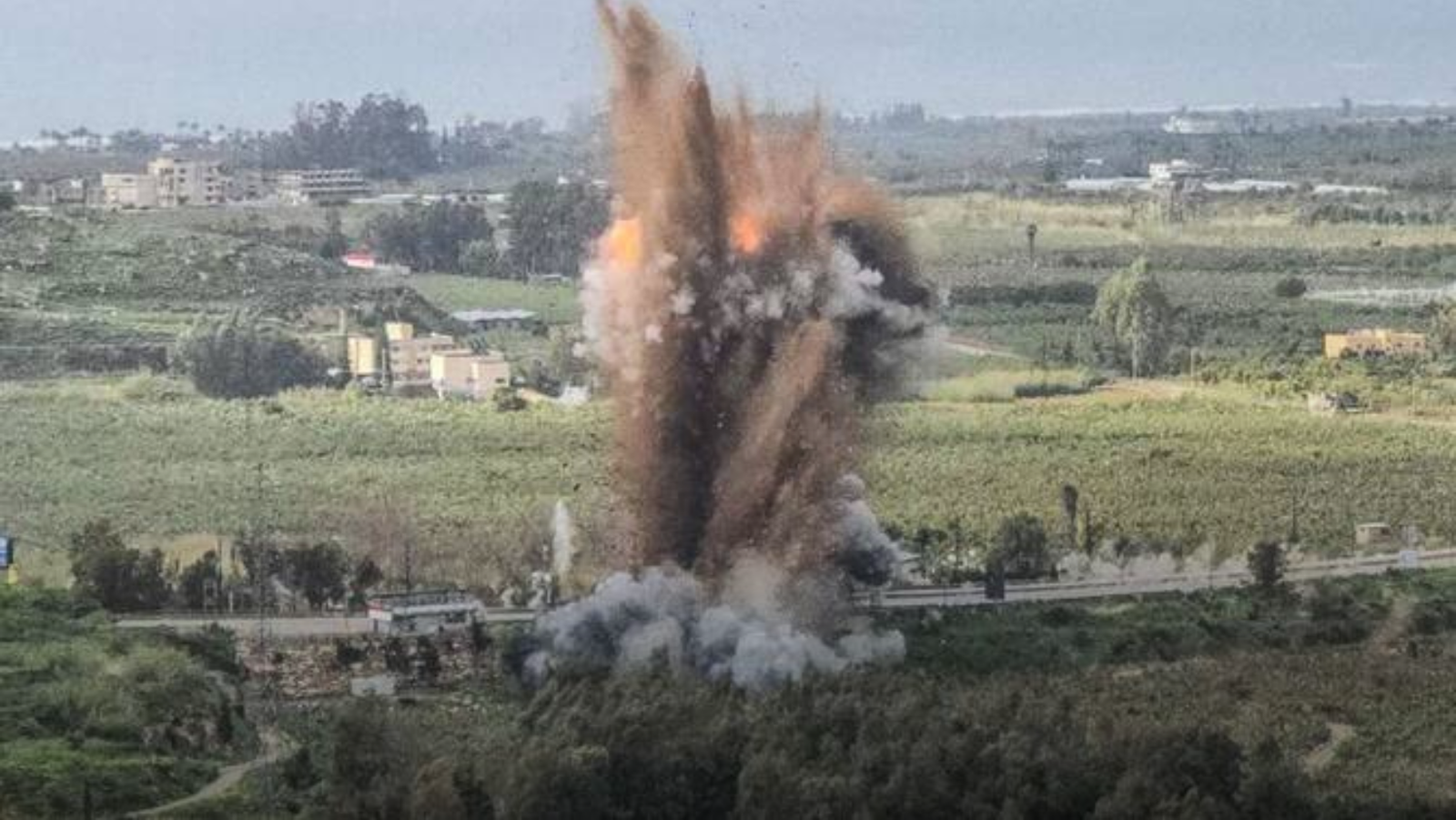
Israel strikes main bridge in south Lebanon amid escalating border tensions
Israel launched a major airstrike on Sunday targeting a key bridge in southern Lebanon, marking a significant escalation in its ongoing military campaign in the region. The strike focused on the Qasmiyeh bridge over the Litani River, a major route linking southern villages to central Lebanon. Israeli forces also announced plans to demolish additional crossings and homes near the southern border, citing security concerns.
Lebanese President Joseph Aoun condemned the attacks, stating that Israel’s destruction of bridges and vital infrastructure represents a dangerous escalation and a violation of Lebanon’s sovereignty. According to a presidency statement, Aoun described the attacks as a potential prelude to a ground invasion and warned that such actions would have serious repercussions for regional stability.
Strategic significance of the Qasmiyeh bridge strike
The Qasmiyeh bridge is a critical crossing on Lebanon’s coastal highway, used by both civilians and local traffic. Its destruction severely affects transport and logistics in southern Lebanon, isolating communities and disrupting access to essential services. Residents living nearby were evacuated following Israeli warnings prior to the strike.
Lama Al-Fares, a resident of farmland near the bridge, recalled how her family packed essential belongings and relocated temporarily to avoid the strike. She expressed uncertainty about whether her home, rebuilt after damage in the previous conflict, survived the latest attack.
The strike came after Israeli authorities reported that Hezbollah militants fired into Israeli territory on March 2, drawing Lebanon further into the regional war. Israeli officials stated the bridge was used for transporting weapons and fighters, justifying the military action as targeting strategic assets used by armed groups.
Casualties and humanitarian concerns
The conflict continues to result in a heavy toll on human lives. Lebanese health authorities reported more than 1,000 deaths, including civilians, women, and children, since hostilities escalated. Meanwhile, Israel confirmed its first civilian fatality linked to attacks from Lebanese territory during the current conflict, alongside casualties among Israeli soldiers.
Human rights organizations have raised alarms about the humanitarian impact of targeting infrastructure. Ramzi Kaiss, a researcher at Human Rights Watch, emphasized that attacks on essential bridges and roads could leave southern Lebanon cut off from food, medical care, and other necessities, creating a potential humanitarian catastrophe. Kaiss warned that wholesale destruction of homes in frontline villages could constitute a war crime under international law.
Israeli military rationale and operational plans
Israel’s Defense Minister Israel Katz stated that the military had orders to destroy bridges over the Litani River that were allegedly used for “terrorist activity” by Hezbollah. Katz highlighted that these operations aim to prevent militants from moving south and posing threats to Israeli communities near the border.
The military has also accelerated demolition of homes in southern villages, aiming to create buffer zones in a manner similar to past operations in Gaza, including Beit Hanoun and Rafah. Israeli authorities argue that these measures are necessary to protect civilians in northern Israel and to neutralize potential threats from Hezbollah.
The Israeli military confirmed that three bridges in southern Lebanon had been destroyed in the previous ten days, and further strikes on infrastructure are planned. Ground operations and targeted raids on weapons storage facilities have also intensified alongside the air campaign.
Regional and international reactions
International observers have expressed concern about the escalating conflict. United Nations human rights officials have criticized the destruction of civilian infrastructure, noting that such actions endanger non-combatants and violate international humanitarian law.
French Foreign Minister Jean-Noel Barrot met with Israeli officials, urging restraint and emphasizing that military action alone cannot achieve a lasting solution. Barrot highlighted the need for dialogue between Lebanese and Israeli authorities to prevent further escalation and to protect civilians in affected areas.
Lebanon’s government has condemned Israel’s targeting of infrastructure and has maintained that Hezbollah’s military activities remain illegal under national law. The Lebanese leadership has expressed a preference for negotiations to de-escalate tensions while ensuring national sovereignty is respected.
Strategic implications for southern Lebanon
The destruction of the Qasmiyeh bridge and other crossings significantly impacts the movement of goods, people, and emergency services. Isolating southern Lebanon may hinder humanitarian assistance and complicate the delivery of essential supplies, further exacerbating the crisis.
Experts warn that continued destruction of infrastructure could disrupt local economies and increase civilian suffering. The closure of major transport routes may also slow reconstruction efforts and create long-term logistical challenges for communities in southern Lebanon.
Israel maintains that its operations target Hezbollah militants and their infrastructure, aiming to minimize threats to northern Israeli towns. Nevertheless, the scope of destruction has raised concerns about proportionality and the potential for indiscriminate damage to civilian areas.
Outlook and potential escalation
The strikes represent a significant escalation in the broader regional conflict, which involves multiple actors and ongoing hostilities across the Middle East. Analysts note that further Israeli operations against infrastructure could provoke additional retaliatory measures from Hezbollah, increasing the risk of broader confrontation.
Lebanese authorities and international organizations are closely monitoring developments, emphasizing the need to protect civilians and maintain humanitarian corridors. The situation remains volatile, with the potential for continued escalation in southern Lebanon and across the region.
The international community continues to call for restraint and adherence to international law, highlighting that indiscriminate attacks on infrastructure can have severe humanitarian consequences. Protecting civilian populations and essential facilities is central to mitigating the impact of ongoing hostilities.