
Iran vows strikes after Trump threat to power plants
Iran vows strikes after Trump threat to power plants raises regional tensions
Tensions in the Middle East escalated sharply after Iran issued a strong warning in response to a statement by Donald Trump threatening to destroy Iranian power facilities. The exchange has intensified fears of a broader conflict as both sides signal readiness to target critical infrastructure.
The situation unfolded after the US president gave Iran a 48-hour deadline to reopen the Strait of Hormuz, a vital global shipping route. He warned that failure to comply would lead to direct strikes on Iranian power plants. This ultimatum triggered a swift response from Iran’s military leadership, which vowed retaliation against US and allied infrastructure across the region.
Strategic importance of Strait of Hormuz and energy routes
The Strait of Hormuz is one of the world’s most critical maritime chokepoints, connecting the Arabian Gulf to international waters. A large portion of global oil and gas shipments pass through this narrow corridor, making it essential for energy security worldwide.
Any disruption in this area can immediately affect global markets, driving up fuel prices and creating uncertainty in supply chains. Iran’s control over access to the strait gives it significant leverage, particularly during times of conflict.
By linking its ultimatum to the reopening of this route, the United States has placed the issue of maritime access at the center of the crisis. Iran, however, has indicated that it will determine which vessels are allowed passage, further complicating the situation.
Iran’s warning to target energy and infrastructure assets
Following the US threat, Iran announced that any attack on its energy facilities would lead to retaliatory strikes on American and allied infrastructure. This includes energy installations, desalination plants, and information technology systems located across the region.
Iran’s military command emphasized that previous warnings should be taken seriously, signaling that it is prepared to expand the scope of its response if necessary. The statement reflects a strategy aimed at deterring further attacks by raising the potential costs for its adversaries.
Such threats highlight the vulnerability of critical infrastructure in modern conflicts. Energy and water facilities are essential for civilian life, and targeting them could have widespread humanitarian and economic consequences.
Missile strikes near Israeli nuclear facilities
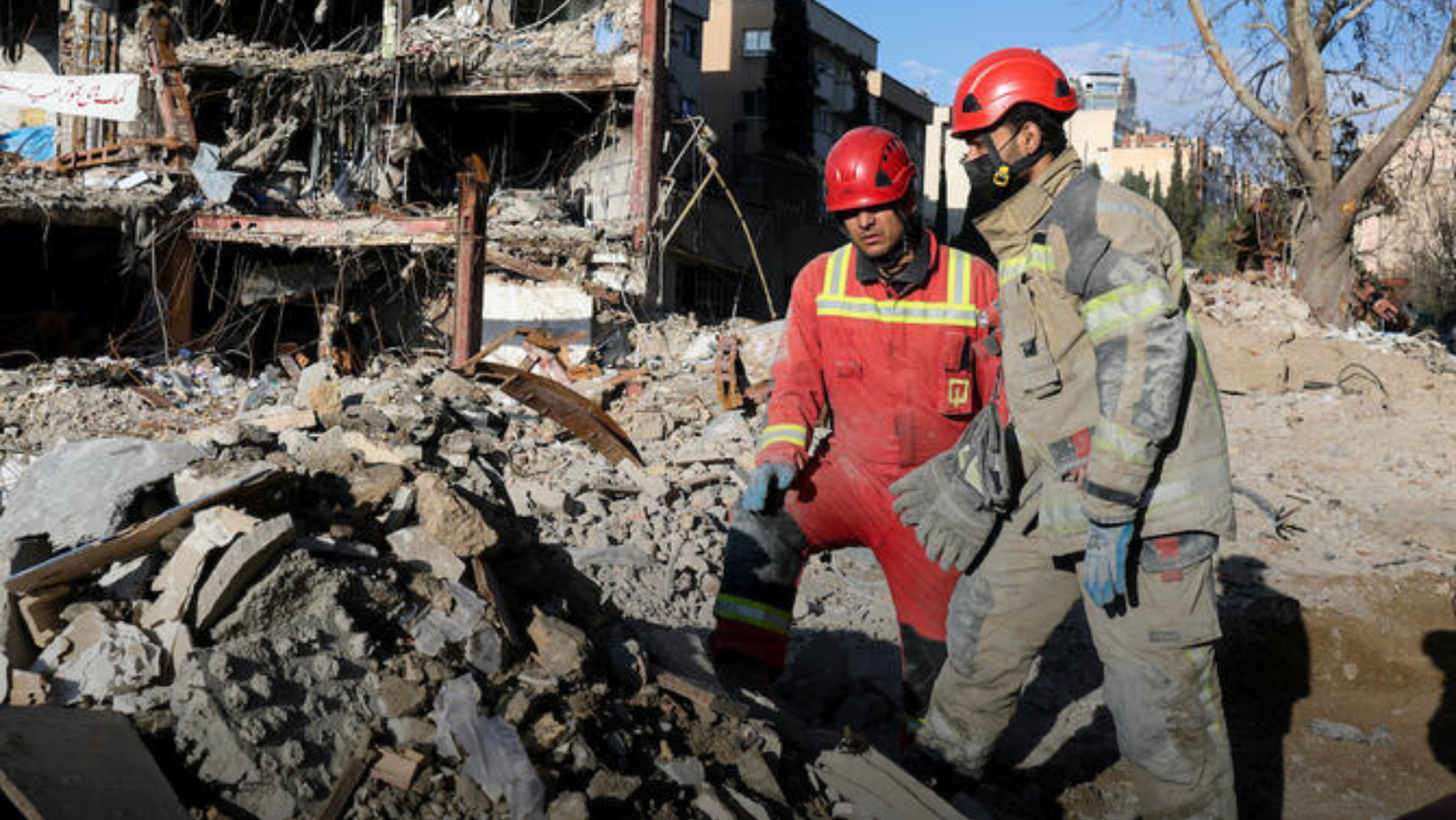
At the same time, Iran launched missile attacks near key locations in Israel, including areas close to its main nuclear research center. The strikes caused significant damage to residential buildings and injured dozens of people, marking a notable escalation in hostilities.
Sirens were reported across several regions as missiles bypassed defense systems in some areas, reaching cities in the south. The attacks indicate a shift in the conflict, with Iran demonstrating its ability to strike sensitive locations despite existing security measures.
Israeli officials described the situation as a critical moment, urging residents to follow safety protocols and remain alert. The developments suggest that the conflict is entering a more intense phase with increased risks for civilians.
Expanding regional conflict and Gulf security risks
The confrontation is no longer limited to a single front. Several Gulf countries have reported drone and missile threats targeting energy infrastructure. Air defense systems have been activated in multiple locations to intercept incoming attacks, reflecting the growing scale of the conflict.
Saudi Arabia reported intercepting drones aimed at key oil-producing regions, while other countries have taken precautionary measures to protect their facilities. The widening scope of attacks underscores the interconnected nature of regional security and the potential for rapid escalation.
This broader conflict raises concerns about the stability of the Middle East, particularly as multiple actors become involved either directly or indirectly. The situation remains extremely sensitive, where even a small incident or misunderstanding could quickly trigger a much larger confrontation.
Global economic impact of rising Middle East tensions
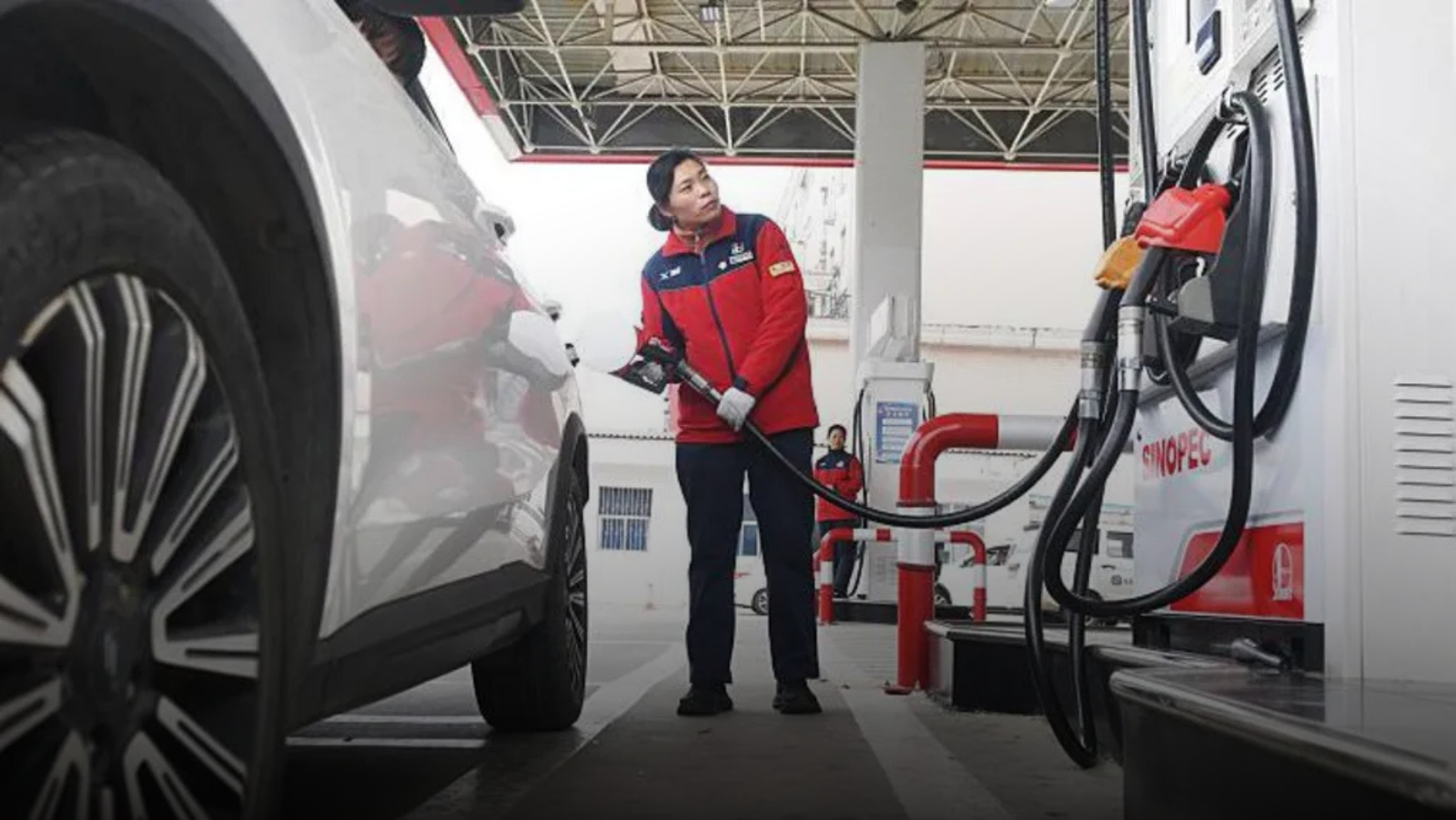
The ongoing crisis is already affecting global markets. Oil prices have surged as shipping disruptions and security threats increase uncertainty. Energy companies are reassessing risks, and some shipments have been delayed or rerouted to avoid potential danger zones.
The impact extends beyond energy, with rising fuel costs influencing transportation, manufacturing, and food prices worldwide. The Strait of Hormuz remains a key factor, as its closure or restricted access would have immediate and far-reaching consequences.
Economic analysts warn that prolonged instability in the region could lead to sustained market volatility, affecting both developed and developing economies. Governments are closely monitoring the situation to mitigate potential disruptions.
Military capabilities and evolving warfare strategies
Recent developments suggest that Iran possesses more advanced military capabilities than previously understood. Reports of long-range missile activity and coordinated strikes indicate a growing ability to project power beyond immediate borders.
Modern warfare increasingly involves a combination of conventional and unconventional tactics, including drones, cyber operations, and missile systems. This evolution makes conflicts more unpredictable and difficult to contain.
The exchange of threats between Iran and the United States highlights the importance of strategic planning and defense readiness. Both sides appear to be signaling strength while attempting to deter further escalation.
Diplomatic challenges and calls for de-escalation
Despite the rising tensions, there have been calls from various international actors for restraint and dialogue. Diplomacy remains a crucial tool in preventing the situation from spiraling into a larger conflict.
However, the sharp rhetoric and ongoing military actions make immediate de-escalation challenging. Trust between the parties is limited, and each side is focused on protecting its strategic interests.
Efforts to reopen communication channels could play a key role in reducing tensions, but such initiatives require willingness from all involved parties. The current climate suggests that achieving this will not be easy.
Future outlook amid escalating confrontation
The situation remains highly volatile as Iran vows strikes after Trump threat to power plants, signaling a dangerous phase in regional dynamics. The combination of military actions, economic pressures, and political tensions creates a complex and uncertain environment.
The coming days will be critical in determining whether the conflict escalates further or moves toward stabilization. Decisions made by key leaders will shape the trajectory of the crisis and its impact on global security.
Maintaining stability will require careful balancing of military preparedness and diplomatic engagement. The stakes are high, not only for the countries directly involved but also for the broader international community that depends on the region’s energy resources and strategic routes.