Iran Says ‘Guiding Principles’ Agreed After Indirect Talks With US in Geneva
Iran has said progress was made in its latest round of indirect negotiations with the United States, describing the discussions as “more constructive” than earlier talks and confirming that both sides agreed on general guiding principles that could shape a future agreement on Tehran’s nuclear programme.
The negotiations, held in Geneva and facilitated by intermediaries from Oman, lasted approximately three and a half hours. The talks focused on the possibility of Iran limiting aspects of its nuclear activities under supervision from the International Atomic Energy Agency, the United Nations body responsible for monitoring nuclear compliance.
Iran’s Foreign Minister, Abbas Araghchi, said after the meeting that both delegations had reached an understanding on “general guiding principles” that could form the foundation for further negotiations. He added that while progress had been achieved compared with the first round of talks earlier this month, significant differences remained.
“The path toward an agreement has begun,” Araghchi said, cautioning that bridging remaining gaps would require additional time and further exchanges of draft texts. A new meeting could take place within two weeks if discussions continue positively.
There was no immediate public response from the US delegation. However, Washington is expected to maintain its military presence in the region ahead of the next round of diplomacy. The talks unfolded amid mixed messaging from former US President Donald Trump, who has indicated that Iran may be open to a deal while simultaneously highlighting American naval deployments in nearby waters.
Tensions in the region were further heightened by comments from Iran’s Supreme Leader, Ali Khamenei, who responded to the presence of US warships near the Gulf by warning that while naval vessels are powerful, weapons capable of destroying them also exist. Iran also announced limited naval exercises, including live-fire drills near the strategically vital Strait of Hormuz, a key shipping route for global energy supplies.
Tehran has repeatedly stated that it will not negotiate over its ballistic missile programme or its regional alliances. Instead, Iranian officials have focused on proposals related to uranium enrichment levels and enhanced monitoring by the IAEA. According to Iranian officials, the country has discussed diluting part of its stockpile of uranium enriched to 60 percent purity, material that is close to weapons-grade level but not required for civilian nuclear energy production.
Discussions have also included the duration of any potential suspension of enrichment activities. While the US has sought long-term limitations, Iranian officials have maintained that the country retains the right to enrich uranium domestically for peaceful purposes.
Verification mechanisms appear central to the negotiations. Araghchi met IAEA Director General Rafael Grossi prior to the talks, and the US delegation also held discussions with the agency chief, underscoring the importance of inspection protocols in any future agreement. A full return of international inspectors to Iranian nuclear facilities would likely be required under any deal.
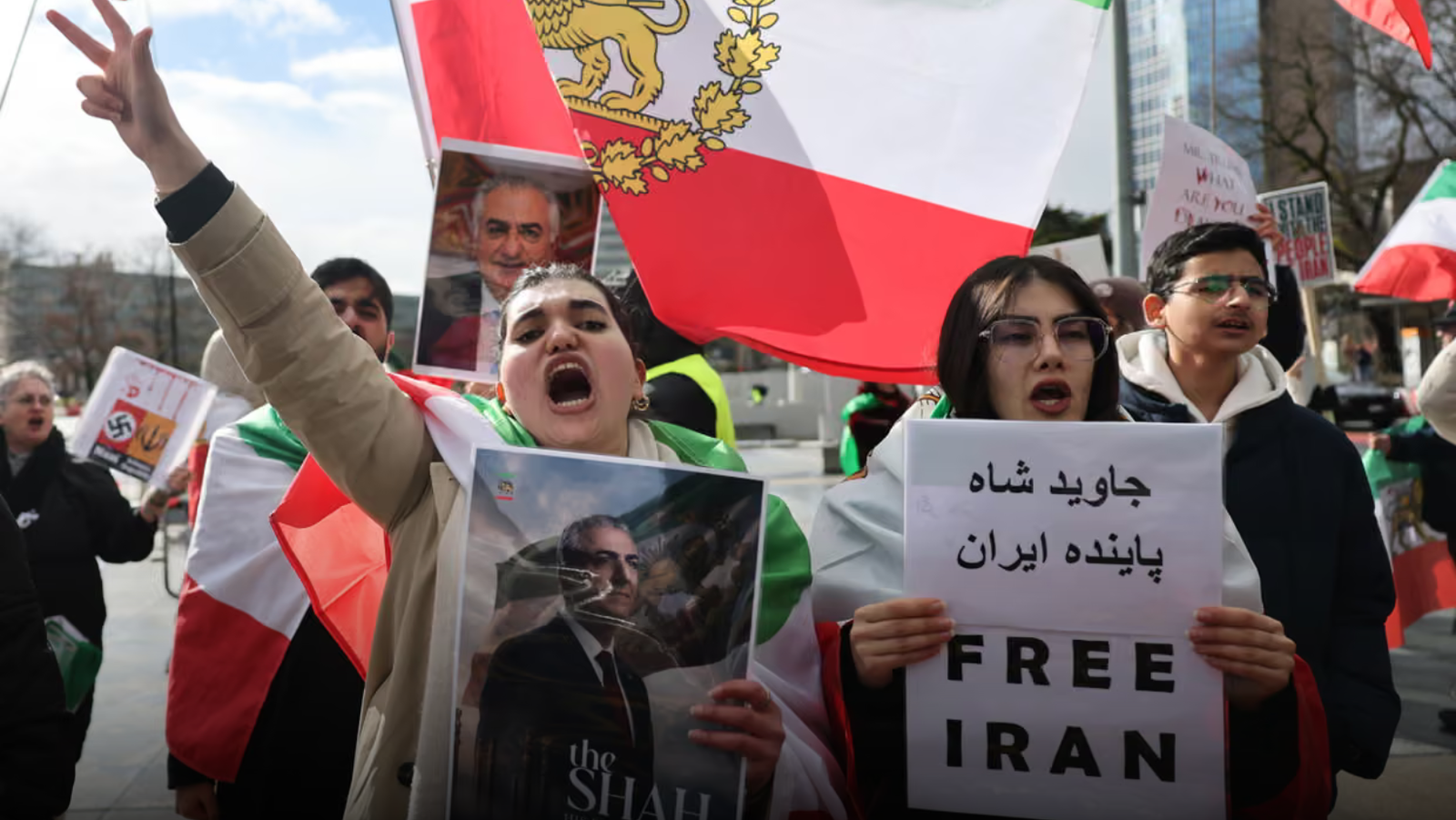
Beyond nuclear issues, internal developments in Iran have added to the complexity of the diplomatic environment. Memorial events were held across the country marking 40 days since the deaths of protesters during recent unrest, following Shia mourning traditions. Iranian President Masoud Pezeshkian attended ceremonies in Mashhad, as political tensions remained high.
Iran has rejected parallel investigations by independent UN fact-finding bodies into protest-related deaths, maintaining that domestic inquiries are sufficient. Thousands of demonstrators have reportedly faced legal proceedings, and reformist political figures have been detained in recent weeks.
Despite the fragile backdrop, Iranian officials have signaled openness to continued diplomacy. Araghchi reiterated in recent remarks that Iran does not seek nuclear weapons and is prepared to cooperate with the IAEA within the framework of a negotiated settlement.
Whether the tentative progress reported in Geneva can translate into a formal agreement remains uncertain. Diplomatic observers say much will depend on trust-building measures, verification arrangements and the ability of both sides to navigate domestic political pressures while preventing further regional escalation.