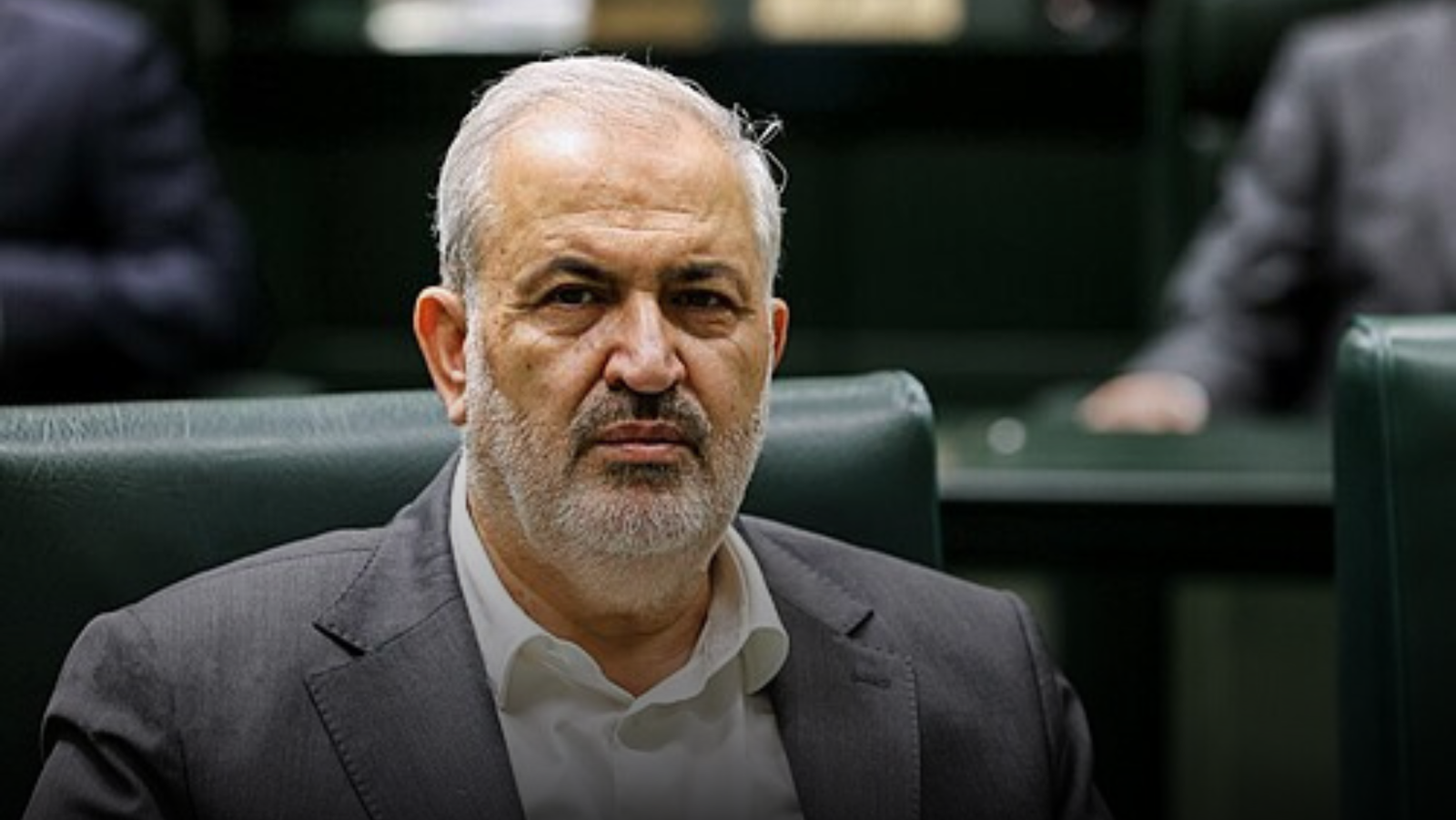

Iran responds to Trump ultimatum with power plant threats
Tehran warns of retaliation as conflict escalates after Trump’s deadline
The government of Iran has issued a forceful warning after a warning from Donald Trump demanding the full reopening of the strategic Strait of Hormuz. In an unprecedented response, Iranian authorities said they would strike power generation facilities of nations they consider adversaries, including sites serving American military bases in the Gulf, if the United States or its allies carry out threats targeting Tehran’s electrical infrastructure.
Iran’s position marks a sharp escalation in rhetoric and strategic signaling in a conflict that has already prompted airstrikes, counter‑attacks, and diplomatic alarm across the region. The Iranian Revolutionary Guard Corps (IRGC) articulated that any assault on electricity grids would be met with matching counter‑measures — an approach that could widen the impact of the ongoing hostilities on civilian life, regional economies, and global energy supplies.
Conflict context: Trump ultimatum and Iranian rebuttal
The latest crisis emerged after President Trump issued an ultimatum for Iran to ensure unrestricted maritime passage through the Strait of Hormuz or face severe consequences. Trump’s administration had threatened to dismantle key parts of Iran’s electricity network if Tehran did not comply. The Iranian leadership immediately rejected this ultimatum, framing it as an unacceptable infringement on sovereignty and a provocation toward wider conflict.
In state communications, Iranian officials said that any attempt to degrade their electrical infrastructure would be matched with strikes against power facilities belonging to adversarial states. This stance represents a significant shift from previous declarations — moving beyond targeted military responses to include strategic infrastructure on both sides.
The Iranian statement emphasized that this posture is rooted in deterrence. “Should any attacks target our electrical systems,” an IRGC representative stated, “we will take proportionate measures against the facilities supporting your military and energy operations in the region.”
Strategic importance of power facilities in the Gulf
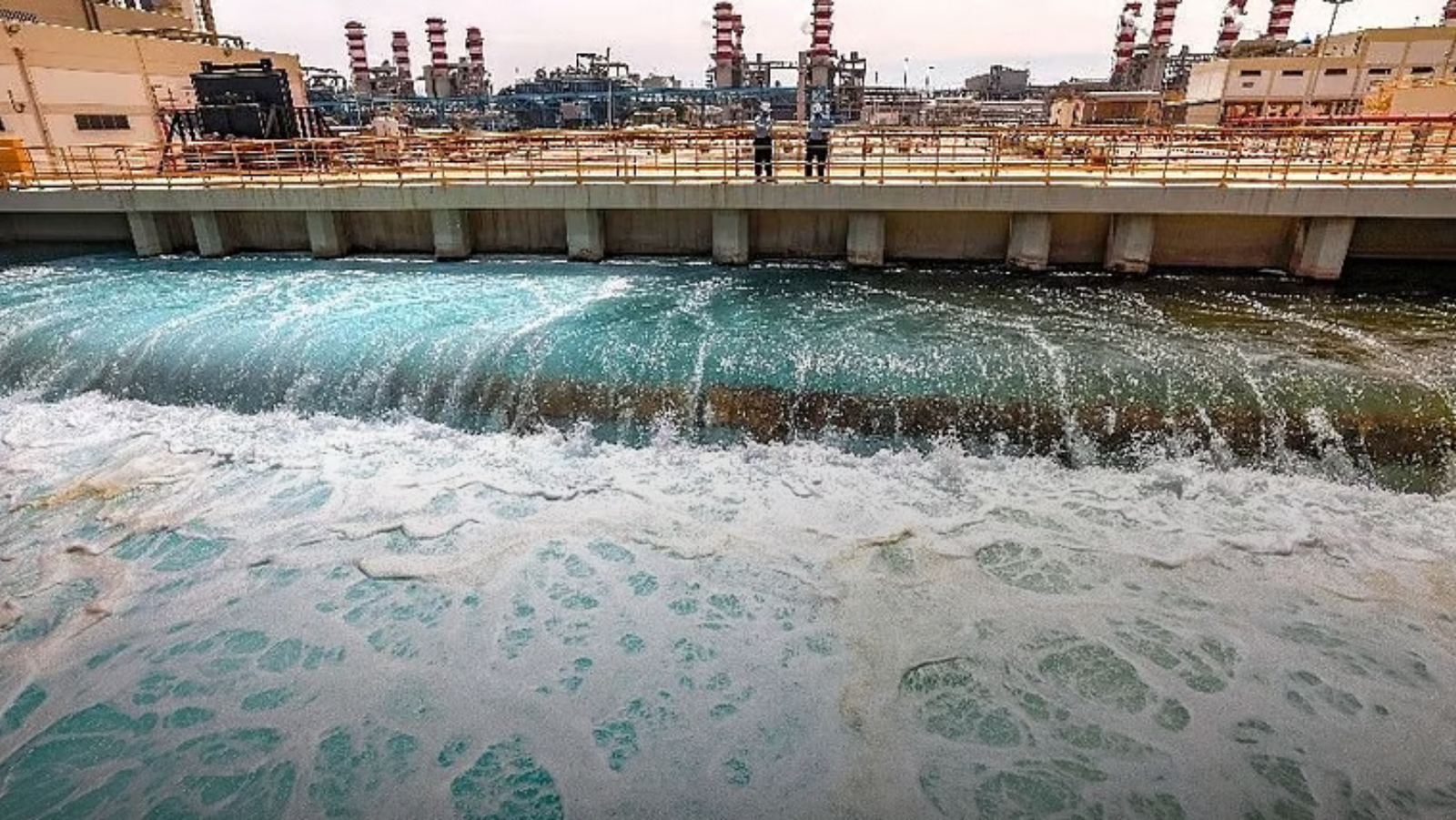
Electricity generation and distribution hubs are foundational to modern societies — they run critical infrastructure, support water treatment systems, and power communications networks. In the Gulf region, where soaring temperatures and desalination are essential for daily life, uninterrupted power is even more critical.
In countries such as Saudi Arabia, the United Arab Emirates, Bahrain, and Qatar, electricity is not just a convenience, it is a lifeline. Much of the region’s potable water supply depends on desalination plants that require sustained energy input. Disruption to electricity could hit urban populations hard, halting water production, shutting down hospitals, and interrupting transportation networks.
The Iranian announcement underscores that a direct attack on power grids could have consequences far beyond military objectives, potentially affecting everyday life for ordinary citizens across multiple countries in the region.
Maritime chokepoint and economic stakes
The Strait of Hormuz continues to be a critical global shipping route. Nearly one‑fifth of global crude oil and liquefied natural gas transits through this narrow waterway each day. Because so much global energy supply depends on safe passage through the strait, any closure or disruption triggers immediate ripples in oil markets, investor confidence, and international shipping routes.
Iran has previously threatened to close the strait in response to foreign military actions, ratcheting up pressure on both the United States and its Western allies. Iranian leaders now reiterate that the waterway will remain effectively closed to “enemy vessels” until the damage they say has been inflicted upon their nation’s infrastructure is resolved. This claim has introduced fresh uncertainty into already fragile global energy markets.
Human impact and civilian concerns
While much of the conflict’s rhetoric centers around military strategy and national security, analysts warn that ordinary people are increasingly vulnerable. A sustained disruption of electricity networks in the Gulf could ripple outward, affecting water access, healthcare, food distribution, and the functioning of essential services.
Humanitarian advocates have expressed alarm at the prospect of infrastructure targeting. Without reliable power, cooling systems in desert cities would falter; water supplies would diminish; and emergency response systems could be overwhelmed.
A regional security expert explained, “Power plants and electricity grids are civilian infrastructure. Their destruction — even in the name of deterrence — carries heavy costs for non‑combatants. This is exactly the scenario that humanitarian law seeks to prevent.”
Broader regional and global implications
The conflict between Iran, the United States, and allied states does not occur in isolation. Neighboring countries, global energy suppliers, and international institutions are closely watching developments. Even before the latest ultimatum and Iranian response, tensions had already forced rerouting of oil tankers, raised fuel prices, and disrupted commercial travel through the Gulf.
Global financial markets have reacted with volatility as investors weigh the risks of broader escalation. Energy analysts warn that prolonged instability in the Gulf would push oil prices higher, affecting consumer fuel prices, production costs, and inflation in markets around the world.
The United Nations has urged restraint from all parties, stressing that attacks on civilian infrastructure could violate international norms and further destabilize already fragile peace efforts.
Iran’s internal political dynamics
Within Iran, the response to foreign pressure has been shaped by recent leadership changes and the nation’s strategic calculus. The current Supreme Leader, who succeeded his father following earlier conflict losses, has not been widely visible in public, leading to speculation about internal dynamics within Iran’s leadership. Despite this, Iranian state institutions, including the IRGC, have reinforced a posture of resilience and readiness to retaliate.
Officials have pointed to Western military actions that preceded current escalation as justification for their hardened stance. Iranian media outlets have broadcast footage of damaged residential areas following bombardments, underscoring the human cost of the ongoing war.
Military developments and multi‑front confrontations
The broader conflict has not been confined to Iran’s borders. In recent days, air raid sirens in parts of Tel Aviv and the occupied West Bank have sounded in response to perceived threats from Iranian missile launches. Israel, in turn, has launched extensive strikes targeting Iranian infrastructure in its capital region.
On another front, Iran’s ally Hezbollah has continued operations along Israel’s northern border, drawing Lebanon deeper into the conflict. This multi‑front confrontation increases the complexity of the war and dampens prospects for a negotiated resolution.
What lies ahead
As tensions persist, officials from involved nations stress that further fighting is likely. Israel’s military leadership has forecast a prolonged conflict with both Iran and allied militias, indicating weeks of continued engagement.
Diplomats and peace advocates, meanwhile, call for renewed negotiations and third‑party mediation to prevent the standoff from spiraling further. They warn that infrastructure targeting threatens not just immediate stability but the foundations of daily life for millions across the Middle East and beyond.