Iran Launches Missiles After Israel Kills Officials, Escalating Regional Tensions
Tehran Responds to Israeli Strikes
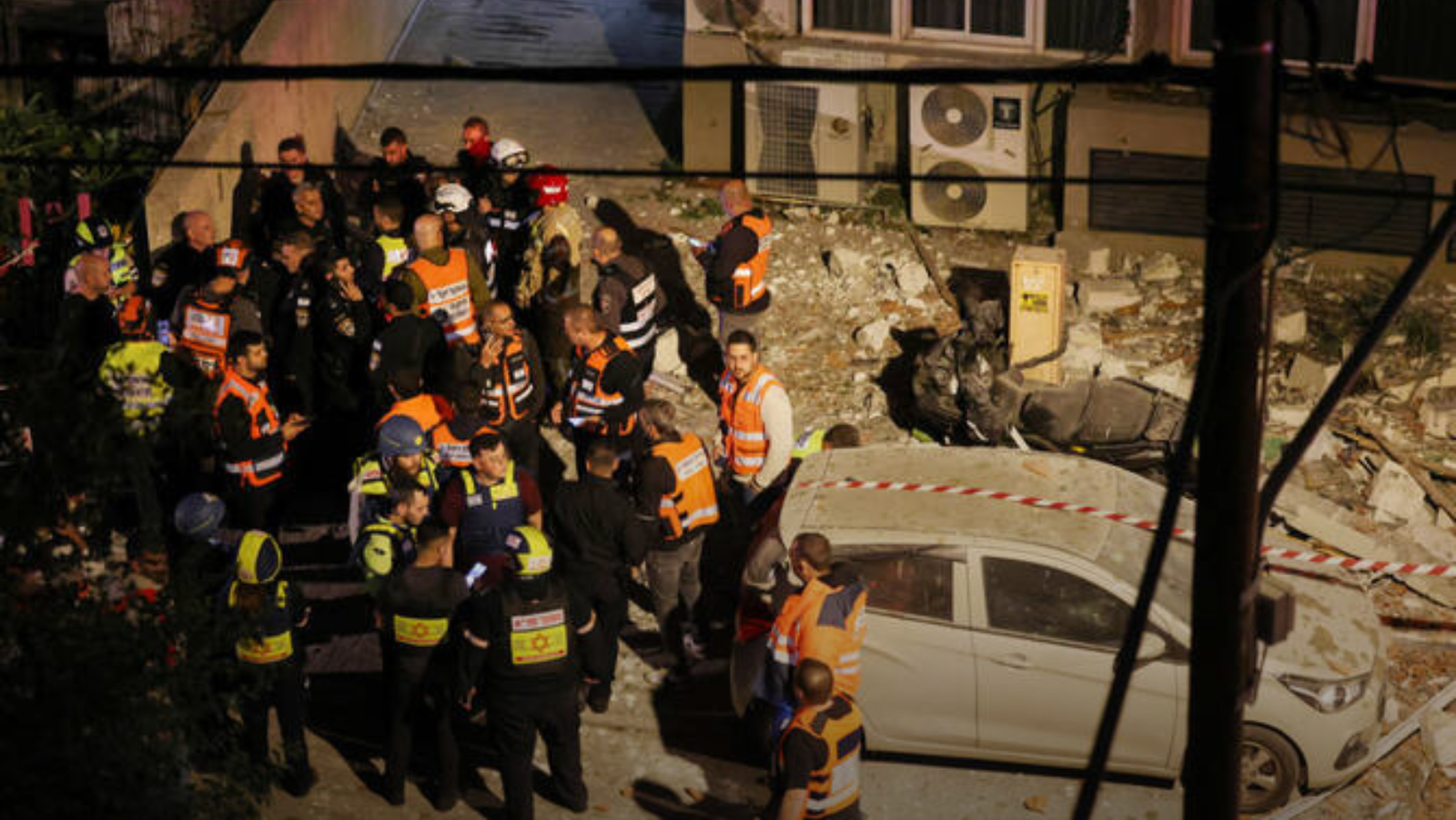
Iran has launched a new series of missile attacks following the targeted killing of two of its top security officials by Israel, intensifying the ongoing Middle East conflict. The strikes hit central Israel, as sirens sounded across Tel Aviv and surrounding areas. The fatalities included two civilians in Ramat Gan, highlighting the immediate human toll of the escalation.
The two Iranian leaders, Ali Larijani, secretary of Iran’s Supreme National Security Council, and General Gholam Reza Soleimani, head of the Revolutionary Guard’s Basij volunteer forces, were considered critical figures in Tehran’s security apparatus. Larijani had long been a key adviser on nuclear negotiations, while Soleimani coordinated internal security and suppression of domestic unrest. Their deaths mark a significant blow to Iran’s leadership and military strategy.
Impact on Israel and Its Neighbors
The missile barrage targeted both Israel and Gulf Arab states, including Saudi Arabia and Kuwait. Most projectiles were intercepted by advanced air defense systems, but several caused damage to civilian infrastructure and created widespread fear among residents. Emergency services responded to multiple sites, with reports of explosions and fires in urban areas.
Israel described the strikes as a preemptive measure aimed at undermining the Iranian regime and weakening its ability to project power in the region. Israeli Defense Minister Israel Katz stated that the attacks were intended to “eliminate threats to regional stability,” while Prime Minister Benjamin Netanyahu emphasized the objective of weakening the Iranian leadership to give the population a chance to oppose the regime internally.
Strait of Hormuz Remains a Flashpoint
Amid these attacks, Iran has maintained tight control over the Strait of Hormuz, a vital maritime passage responsible for approximately 20 percent of global oil transport. Iranian authorities have signaled that the waterway remains technically open, but access is restricted for the United States, Israel, and their allies. About twenty vessels have reportedly been struck or blocked, raising international concerns over energy security and the potential for a global oil supply disruption.
President Donald Trump called on NATO and allied nations to assist in securing the strait. However, most allies have declined, citing legal constraints, domestic opposition, or reluctance to escalate involvement in the conflict. The situation underscores the strategic leverage Iran holds over global energy flows and the vulnerabilities faced by countries reliant on Gulf oil imports.
U.S. Military Response
The United States has escalated its military engagement in the region in response to Iran’s missile launches. Multiple deep-penetrator bombs have been dropped on Iranian missile sites along the coast, targeting locations that pose immediate threats to international shipping. U.S. Central Command emphasized that the strikes were defensive, aimed at ensuring the safe passage of vessels through the Strait of Hormuz.
Despite these measures, the risk of further escalation remains high. The conflict has already resulted in significant casualties: over 1,300 fatalities in Iran, 14 in Israel, and at least 13 U.S. military personnel. The human cost continues to rise as both sides intensify operations.
Regional Allies and International Reactions
Neighboring Gulf countries have faced repeated missile and drone attacks from Iran, although most have been successfully intercepted. The attacks highlight Tehran’s regional reach and the challenge of protecting critical infrastructure across multiple countries simultaneously.
The European Union has expressed caution, with officials making it clear that the conflict is not Europe’s war and that member states will avoid direct involvement. Meanwhile, the International Atomic Energy Agency (IAEA) confirmed that Iran’s Bushehr nuclear plant reported a projectile impact but suffered no damage. The agency urged all parties to exercise maximum restraint to prevent a nuclear incident.
Domestic Consequences in Iran
The killings of Larijani and Soleimani have generated tension within Iran, though there are few public protests due to ongoing fears of U.S. and Israeli strikes. Authorities have also issued warnings ahead of traditional Persian celebrations, such as Chaharshanbe Souri, cautioning citizens against gathering in large numbers. These measures aim to prevent demonstrations that could exacerbate internal instability.
The loss of these senior officials disrupts Iran’s command structure, complicating coordination between its military, security forces, and domestic governance. Analysts suggest that the deaths may temporarily weaken Tehran’s operational capacity, but the long-term effects will depend on Iran’s ability to reorganize its leadership and maintain internal cohesion.
Implications for Global Energy and Trade
The conflict has already contributed to rising oil prices, triggering concerns among importing nations, including Japan, South Korea, and European states. The Strait of Hormuz remains a chokepoint, and any further disruption could exacerbate energy shortages worldwide. Shipping companies are adjusting routes and schedules, and governments are monitoring supply chains closely.
Iran’s ability to influence energy markets underscores the intersection of military conflict and global economics. Analysts warn that prolonged instability in the Gulf could slow economic growth and trigger broader geopolitical tensions beyond the immediate combatants.
Hezbollah and Regional Spillover
Israeli strikes have also continued against Hezbollah positions in Lebanon, resulting in casualties and displacements. Approximately one million Lebanese citizens have been affected, highlighting the conflict’s regional spillover. The broader Middle East faces escalating instability as Iran-backed militias continue to engage in cross-border attacks, further complicating peace efforts and humanitarian assistance.
Looking Ahead
As Iran launches missiles after Israel kills officials, the region faces heightened uncertainty. Continued retaliatory strikes, combined with disruptions in critical infrastructure and energy supply chains, may draw in additional actors and exacerbate the humanitarian crisis.
Diplomatic efforts are ongoing but remain limited. The United Nations and other international organizations have called for restraint, emphasizing the urgent need to prevent further civilian casualties and maintain global energy stability.
The next few days could prove critical in determining the trajectory of the conflict. Both sides appear prepared to continue military operations, and the international community is closely watching to assess potential escalation. The conflict in the Gulf not only threatens regional security but also has far-reaching implications for global energy markets, international diplomacy, and long-term stability in the Middle East.