

Iran Hormuz Strait Transit Fees Plan Raises Global Shipping Concerns
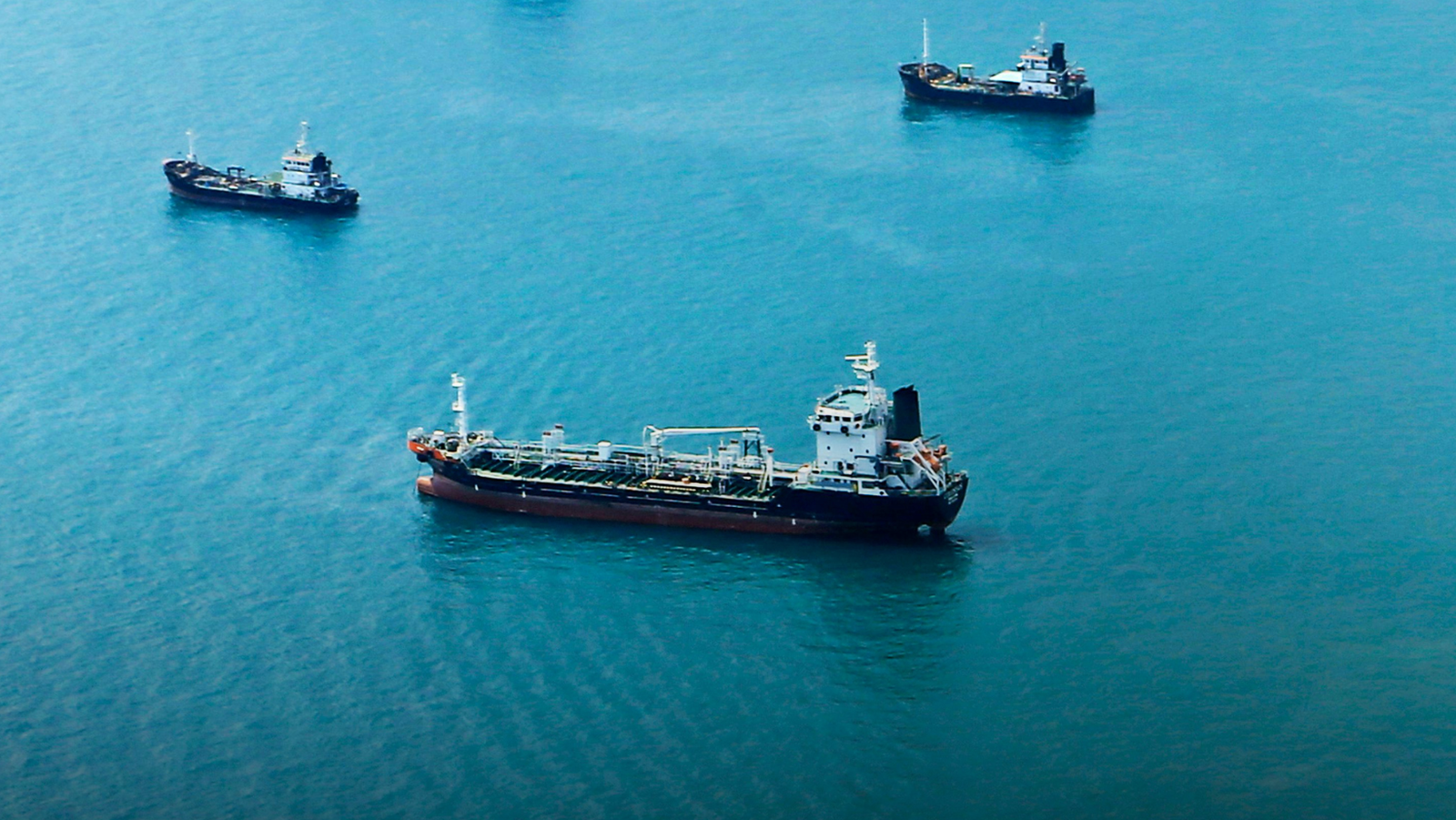
Iran Hormuz Strait transit fees plan impacts global oil shipping routes
Iran is considering a proposal to introduce transit fees on vessels passing through the strategically important Strait of Hormuz, a move that could significantly affect global trade and energy transportation.
According to recent statements from a lawmaker, discussions are underway in parliament regarding a bill that would require countries using the waterway for shipping, energy transport, and food supply routes to pay charges. If implemented, this plan could reshape how one of the world’s busiest maritime corridors operates.
The Strait of Hormuz is a critical passage through which a large portion of the world’s oil and liquefied natural gas is transported. Any changes to its access or cost structure could have wide-reaching consequences for global markets.
Iran Hormuz Strait transit fees plan linked to rising geopolitical tensions
The proposal comes at a time of heightened geopolitical tension in the region. Since the escalation of conflict involving the United States and its allies, maritime activity in the area has faced disruptions, particularly for vessels perceived to be linked to opposing sides.
Iranian authorities have indicated that control over the strait provides strategic leverage. By introducing transit fees, Tehran may be attempting to use its geographic position to influence economic and political dynamics.
This approach reflects a broader strategy where economic measures are used alongside traditional security policies. Observers believe such steps could increase pressure on countries that rely heavily on this route.
Iran Hormuz Strait transit fees plan could reshape maritime regulations
If the proposed legislation moves forward, it may lead to the establishment of new maritime regulations governing passage through the strait. These rules could include mandatory payments, restrictions, or additional requirements for certain vessels.
Such changes would mark a significant shift from current international practices, where the strait is widely considered a key global shipping lane with relatively open access under maritime norms.
Legal experts suggest that any attempt to impose unilateral fees may face challenges under international law. However, enforcement could still create complications for shipping companies and governments alike.
Iran Hormuz Strait transit fees plan raises energy market uncertainty
The potential introduction of transit charges has already raised concerns among energy analysts. The Gulf region is a major supplier of oil and gas, and the Strait of Hormuz serves as a crucial link between producers and global consumers.
Even small disruptions or additional costs can influence oil prices and supply chains. Markets are sensitive to any developments affecting this route, and uncertainty alone can lead to fluctuations.
Shipping companies may need to reassess routes, insurance costs, and operational strategies if the proposal becomes reality. This could increase expenses for global trade and impact energy-dependent economies.
Iran Hormuz Strait transit fees plan may affect international trade flows
Beyond energy, the strait is also essential for the movement of goods, including food supplies and manufactured products. Introducing fees or restrictions could slow down trade and increase costs for importing and exporting nations.
Countries that rely on Gulf shipping lanes may be particularly affected. Delays or higher transit expenses could influence pricing and availability of goods in various markets.
Trade experts warn that such developments could lead to broader economic consequences if alternative routes are not viable or cost-effective.
Iran Hormuz Strait transit fees plan highlights strategic regional leverage
Iran’s consideration of transit fees underscores the strategic importance of the Strait of Hormuz. Its geographic location gives Tehran a unique position in global maritime dynamics.
Officials have suggested that future policies could be used to respond to international sanctions or political pressure. This indicates that economic tools may become a key part of regional strategy moving forward.
The idea of leveraging control over such a vital waterway reflects the evolving nature of geopolitical competition, where access to resources and routes plays a central role.
Iran Hormuz Strait transit fees plan keeps diplomatic focus on stability
Despite the potential for disruption, there remains a strong emphasis on maintaining stability in the region. International stakeholders continue to encourage dialogue and cooperation to avoid escalation.
Diplomatic efforts are focused on ensuring that global shipping lanes remain secure and accessible. Any significant change in the status of the Strait of Hormuz would require careful management to prevent broader conflicts.
For now, the proposal remains under consideration, and its future will depend on both domestic decisions and international responses.
Iran Hormuz Strait transit fees plan future outlook and global response
The coming weeks will be critical in determining whether the proposal advances into law. Governments, shipping companies, and market analysts are closely watching developments.
If implemented, the plan could redefine how one of the world’s most important waterways is managed. It may also prompt responses from countries that depend on the strait for energy and trade.
While uncertainty remains, the situation highlights the delicate balance between regional strategy and global economic stability.