Iran Faces Leadership Crisis After Ali Larijani’s Death
Iran Faces Leadership Crisis After Ali Larijani’s Death Amid War, Political Turmoil, and Domestic Unrest
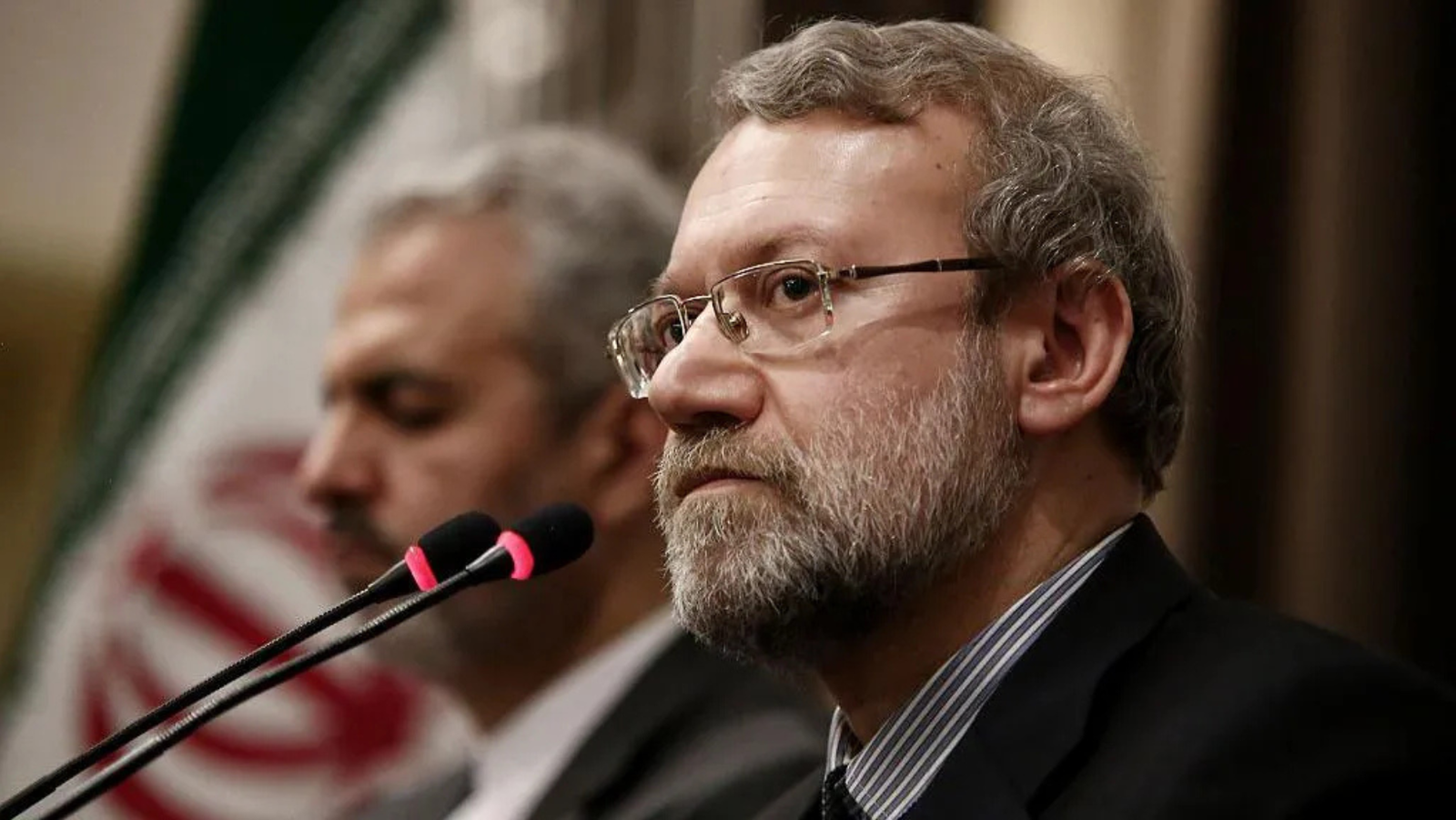
TEHRAN: Iran’s political and security leadership is facing an unprecedented crisis following the confirmed death of Ali Larijani, the country’s former secretary of the Supreme National Security Council, in a targeted strike. Larijani, a central figure in Iran’s decision-making, was widely recognized for his influence over military, diplomatic, and strategic affairs. His death has intensified uncertainty in Tehran as the nation navigates the dual pressures of ongoing regional conflict and domestic unrest.
Larijani’s leadership was pivotal in coordinating Iran’s response to multiple crises, from the conflict with Israel and the United States to domestic protests and economic challenges. His removal leaves a gap in strategic planning, raising concerns about the ability of Iran’s political system to maintain cohesion at a critical moment.
A Key Strategist Gone
Although not a frontline military commander, Larijani’s expertise in national security and diplomacy made him a cornerstone of Iran’s governance. He was involved in guiding the country’s military strategy, overseeing nuclear negotiations, and advising on foreign policy initiatives. Analysts say his absence removes a stabilizing figure capable of balancing hardline and pragmatic approaches within the Iranian leadership.
During recent months, Larijani had been managing three major issues simultaneously: the ongoing war with Israel and allied forces, a wave of domestic protests fueled by economic hardship, and stalled diplomatic negotiations on Iran’s nuclear program. His approach combined ideological commitment with a practical, technocratic mindset, allowing him to navigate complex challenges while keeping Iran’s policy coherent.
Leadership Vacuum Intensifies Challenges
The death of Ali Larijani deepens Iran’s leadership vacuum, especially following the earlier passing of former Supreme Leader Ali Khamenei. With Larijani gone, officials must quickly identify successors to handle both domestic and international pressures. Observers note that no immediate replacement possesses Larijani’s combination of political influence, strategic insight, and diplomatic experience.
The absence of such a key strategist could shift decision-making power toward the military, potentially prioritizing immediate tactical responses over long-term strategic planning. Experts warn that this could lead to more aggressive military actions abroad and stricter domestic policies, raising the risk of escalation on multiple fronts.
Domestic Unrest and Economic Strain
Iran’s domestic challenges have compounded the leadership crisis. In recent months, protests have grown across major cities, sparked initially by rising living costs and economic grievances but quickly expanding into broader anti-government demonstrations. Larijani had been central to managing internal security, coordinating between political leaders and law enforcement agencies to maintain relative order.
Without his moderating presence, analysts fear that hardline factions may take more extreme measures to suppress dissent. This could intensify tensions with ordinary citizens, potentially destabilizing the country further at a time when unity is critical.
Regional and International Implications
Larijani’s death is also expected to have significant implications for Iran’s foreign policy. As a skilled diplomat and strategist, he had been involved in ongoing negotiations with global powers and in managing Iran’s regional relationships. His absence may limit Tehran’s ability to navigate complex diplomatic challenges, particularly in a period of heightened tension with Israel and the United States.
Regional analysts suggest that targeted strikes on senior Iranian officials, including Larijani, are part of a broader effort to weaken the country’s decision-making capabilities during wartime. These actions could destabilize Iran’s command structures, potentially affecting both military strategy and international negotiations.
Military Posture and Security Risks
With Larijani gone, Iran’s military leadership may gain broader autonomy, as some reports indicate that armed forces units have been granted greater authority to act independently. While this could allow for faster responses to external threats, it also risks creating fragmented command structures and inconsistent policy execution.
The loss of Larijani comes at a time when Iran’s military remains active near strategic points, including the Strait of Hormuz, a key oil transit route. Any miscalculation or uncoordinated military action could exacerbate regional tensions and impact global energy markets.
Long-Term Governance Challenges
Looking ahead, the leadership vacuum created by Larijani’s death presents long-term challenges for Iran. Without experienced policymakers to coordinate strategy, decision-making could become reactive, increasing the likelihood of missteps in both domestic and international arenas.
The country’s political system faces the difficult task of maintaining stability amid multiple crises. The combination of leadership gaps, economic pressure, and social unrest could test the resilience of Iran’s governance in ways not seen for decades.
The Road Ahead
Iran now faces a critical period of uncertainty. How the government adapts to the loss of Ali Larijani will shape the nation’s response to ongoing conflict and domestic pressures. Analysts stress that the succession of capable leadership is essential for managing the country’s strategic, economic, and social challenges.
International observers are also closely monitoring developments, as Larijani’s death could alter the balance of power in the Middle East. Decisions taken by Iran’s remaining leadership will have implications not only for Tehran but for the broader region, including oil markets, security alliances, and diplomatic engagements.
While Iran has historically demonstrated resilience in the face of external and internal pressures, the removal of one of its most capable and experienced leaders underscores the fragility of its current political structure. The coming weeks and months will be crucial in determining whether Tehran can navigate this crisis effectively or if instability will deepen further.