Iran Energy Minister Comments on Infrastructure Safety
Aliabadi Highlights Iran’s Resilience Amid Regional Tensions
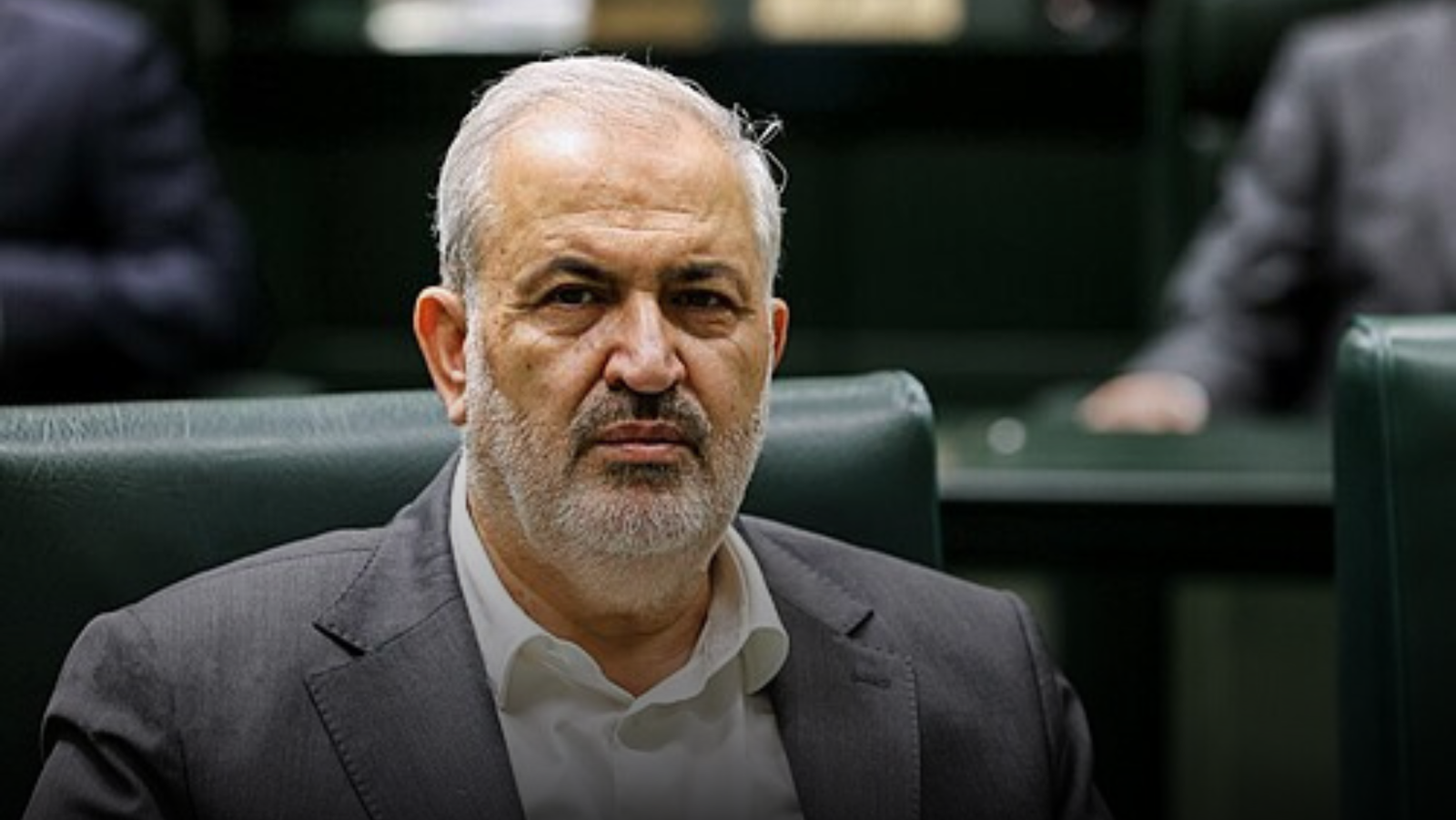
TEHRAN – Iran’s Energy Minister, Abbas Aliabadi, has emphasized that the nation is less vulnerable than many of its neighbors to attacks on its energy infrastructure, underscoring the strength of the country’s distributed electricity system. His statements come amid rising tensions with the United States over the Strait of Hormuz and ongoing threats of military strikes.
In an interview broadcast on state television on Tuesday, Aliabadi said that Iran’s energy production is spread across multiple locations, unlike some Gulf countries and Israel, where centralized energy networks can be more easily disrupted. “We produce electricity in a spread out way in several places, unlike the countries of the Arabian Gulf or the Zionist regime, where production is concentrated and more vulnerable,” he explained.
Aliabadi further noted that Iran operates over 150 power plants throughout its territory. This decentralized approach ensures that even in the event of targeted attacks, the country’s overall energy supply remains secure and functional. Analysts suggest that this strategy gives Iran a strategic edge during periods of regional conflict.
Distributed Power Plants Strengthen National Security
Iran’s approach to energy infrastructure differs significantly from other countries in the region. By operating numerous power plants across diverse locations, the country minimizes the risk of a widespread blackout if any single facility is attacked.
“Even if specific plants were to be affected, the bulk of Iran’s electricity generation would continue without major disruption, providing resilience against external pressure,” said a regional energy expert.
This strategy not only safeguards Iran’s civilian energy needs but also protects critical installations that support military and industrial operations. By ensuring the continuity of power, Iran maintains operational stability even amid escalating regional tensions.
Strait of Hormuz Remains Central to Regional Tensions
Aliabadi’s remarks come in the wake of threats by U.S. President Donald Trump to target Iran’s energy facilities if the Strait of Hormuz was not reopened. The shipping lane is a vital conduit for roughly 20 percent of the world’s crude oil, making it a focal point for international energy security concerns.
Earlier statements by President Donald Trump suggested that the United States had engaged in “very good” talks with Iran, though Tehran officially denied any formal negotiations. The absence of confirmed diplomatic discussions adds uncertainty to the situation and complicates potential pathways to de-escalation.
Resilient Energy Infrastructure Mitigates Risks
Iran’s distributed energy system makes it more difficult for external powers to disrupt the country’s power supply through targeted attacks. Unlike neighboring states with centralized facilities, Iran’s approach ensures that localized strikes do not compromise national electricity output.
“This design allows Iran to maintain critical services even in the face of military threats,” noted a Middle East security analyst. “It also complicates any attempts to use energy facilities as leverage in regional disputes.”
Aliabadi’s public statements also aim to reassure the Iranian population, demonstrating that the nation is prepared to withstand external pressures without major disruptions to daily life.
U.S. Military Pressure Continues Beyond Energy Sites
While President Donald Trump temporarily paused attacks on energy infrastructure, U.S. military operations continue to target other strategic sites, including naval facilities, ballistic missile bases, and defense industry installations. A senior U.S. official confirmed that the pause applies exclusively to power plants and energy facilities, with other components of military operations proceeding as planned.
This selective approach allows the United States to maintain pressure on Iran without escalating tensions in a way that could immediately destabilize global energy markets. Analysts suggest that the partial pause also provides a window for diplomacy while keeping Iran uncertain about U.S. intentions.
Regional and Global Implications
The resilience of Iran’s energy infrastructure has broader implications for regional stability and global oil markets. Even with threats of military action, Iran’s distributed system reduces the risk of severe disruptions in electricity and energy supply.
Experts warn that any escalation affecting the Strait of Hormuz or other strategic locations could still create volatility in global oil prices. However, the country’s robust energy network mitigates some of the immediate risks, ensuring a level of continuity that protects domestic and industrial sectors.
Strategic Messaging for Domestic and International Audiences
Aliabadi’s statements serve both domestic and international purposes. Domestically, they reassure citizens that the nation’s energy supply is secure despite external threats. Internationally, they signal to potential adversaries that Iran’s energy infrastructure is difficult to target effectively.
By highlighting the dispersed nature of power production, Iran communicates a clear message: attempts to cripple the country’s energy supply would be largely ineffective. This approach enhances deterrence and maintains confidence among the population and regional partners.
Diplomatic Uncertainty and Future Prospects
Despite the temporary pause on energy strikes, diplomatic clarity between Iran and the United States remains limited. Tehran has denied engaging in formal talks, while Washington continues to emphasize selective military pressure. This ambiguity increases the complexity of predicting how the situation will evolve in the coming weeks.
Observers note that the partial pause may be designed to gauge Iran’s response or encourage negotiation indirectly. Nevertheless, without confirmed agreements, the risk of miscalculation or further escalation remains significant.
Conclusion: Energy Resilience Amid Tension
Iran’s Energy Minister Abbas Aliabadi has highlighted the strength of the country’s distributed power infrastructure, emphasizing that it reduces vulnerability to targeted attacks. With over 150 power plants spread throughout the nation, Iran maintains critical electricity supply even during heightened tensions with the United States.
While the U.S. continues selective military operations, the resilience of Iran’s energy system demonstrates a strategic advantage that may influence future regional developments. Analysts suggest that the coming days will be crucial in determining whether tensions can be managed diplomatically or if escalation remains a risk.