
India US Trade Talks Postponed Following US Supreme Court Tariff Ruling
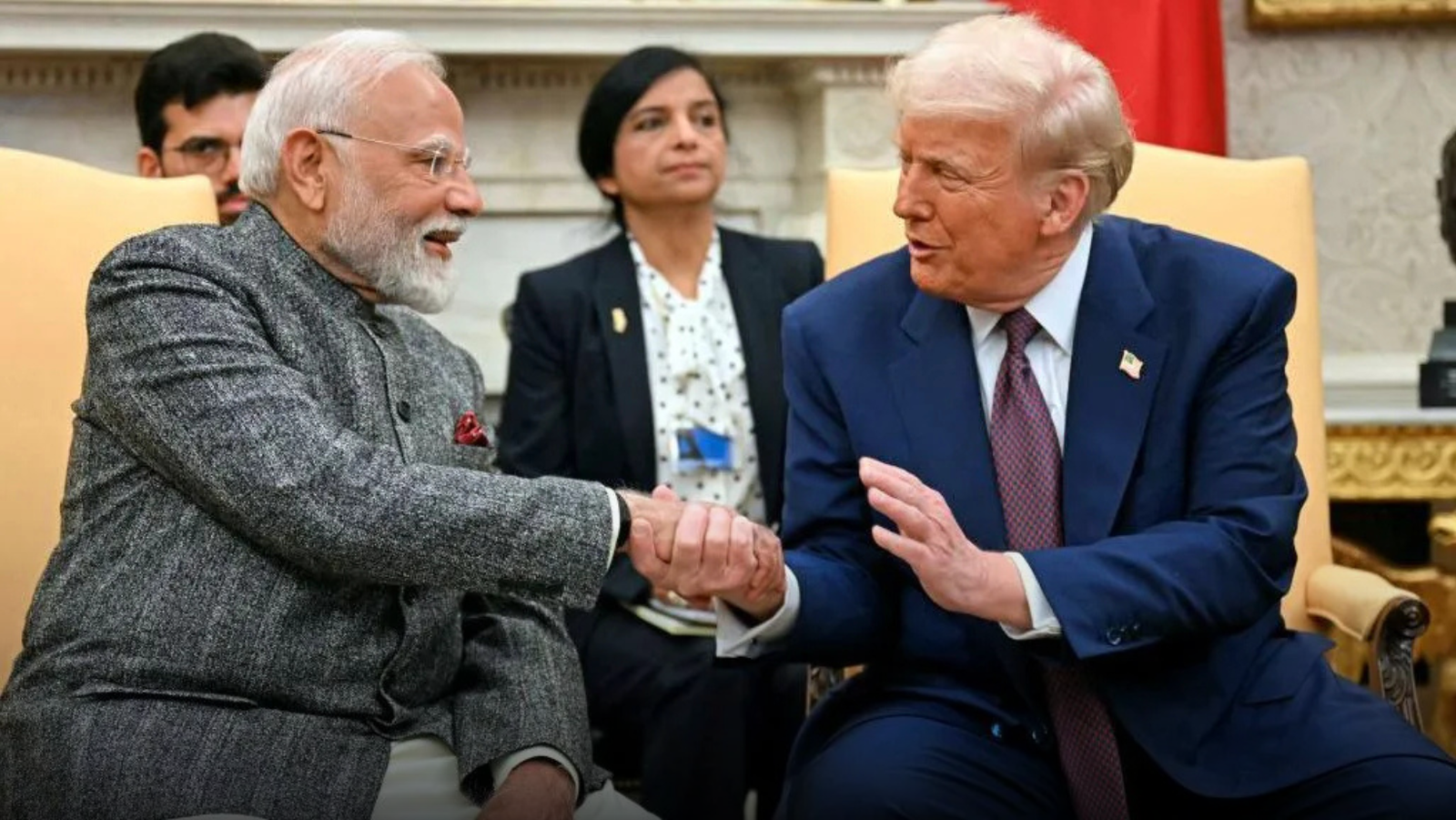
India and the United States have postponed planned trade negotiations after the US Supreme Court struck down key tariff measures introduced under the former Trump administration. Officials from India’s commerce ministry confirmed that both countries are taking time to assess the implications of the ruling before moving forward with talks.
An Indian delegation had been scheduled to travel to Washington this week to finalize the details of an interim trade agreement announced earlier this month. The agreement had aimed to reduce tariffs on certain Indian exports from the United States, lowering duties from 25% to 18%, while promising increased purchases of American goods.
The Supreme Court decision created immediate uncertainty for the trade deal. It found that the former administration overstepped its authority in imposing sweeping global tariffs, raising questions about how existing and planned trade agreements will be applied. In response, the United States indicated a temporary adjustment to tariffs while legal and policy reviews are conducted.
Indian officials emphasized that both sides are reviewing the new developments carefully. “The talks have been deferred until we can fully understand the impact of recent rulings,” said a senior commerce ministry official. No new date has yet been set for the delegation’s visit.
The postponement comes after months of disruption for Indian exporters, who have struggled with fluctuating US tariffs. Many industries, including textiles, engineering goods, and agricultural products, have faced uncertainty due to rapid changes in duties, affecting trade planning and revenue.
While the interim agreement was intended to provide relief, it left several questions unresolved. Observers have noted uncertainties regarding India’s commitments, the scale of imports from the US, and safeguards for sensitive sectors such as agriculture. India’s commerce authorities have maintained that protections for domestic producers remain in place, and no concessions were made in key areas like dairy, meat, or genetically modified products.
Trade analysts highlight that the Supreme Court ruling significantly alters the legal framework under which the US can impose tariffs. This decision may affect not only bilateral trade with India but also the United States’ broader trade policy toward other countries.
Indian officials expressed commitment to continue dialogue with the United States and finalize a mutually beneficial trade arrangement once the implications of the court decision are fully understood. Both sides emphasized the importance of clarity and stability to ensure long-term predictability in bilateral trade relations.
The deferral of talks underscores the challenges that both countries face in navigating complex trade agreements amid shifting legal and economic conditions, while balancing domestic interests and international commitments.