India Rejects Iran’s Control Over Strait of Hormuz Passage
India Asserts Its Right to Navigate the Strait of Hormuz
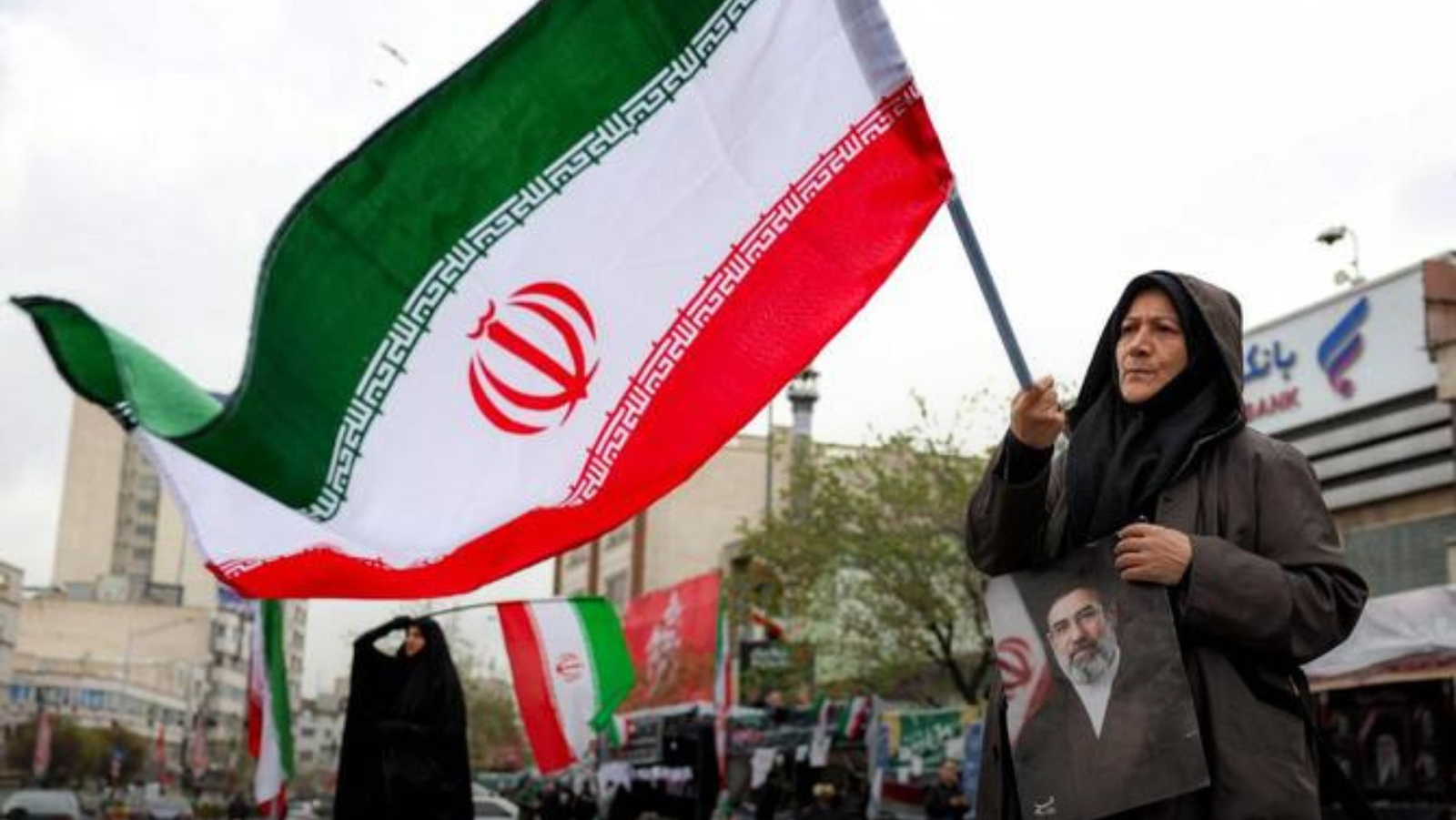
India’s government has emphatically rejected the notion that Iranian approval is required for Indian ships to pass through the Strait of Hormuz. On March 25, 2026, a senior government official clarified that India follows international maritime laws, allowing its vessels to navigate freely without the need for permission from Iran, which controls the narrow passage between the Persian Gulf and the Gulf of Oman. This decision underscores India’s commitment to free navigation on international waters and highlights its proactive stance in safeguarding critical trade routes.
India’s Ministry of Ports, Shipping, and Waterways, through spokesperson Rajesh Kumar Sinha, explained that the decision to sail through the Strait of Hormuz is based on agreements between the shipping company and the chartering party, not on any specific permission from Iran. Sinha assured the public that India has not made any agreements with Iran that would require approval for its vessels to pass through the strait. The official reaffirmed that India’s actions are in full alignment with established international shipping norms, which guarantee the right of all nations to use this crucial waterway.
Free Navigation Under International Law
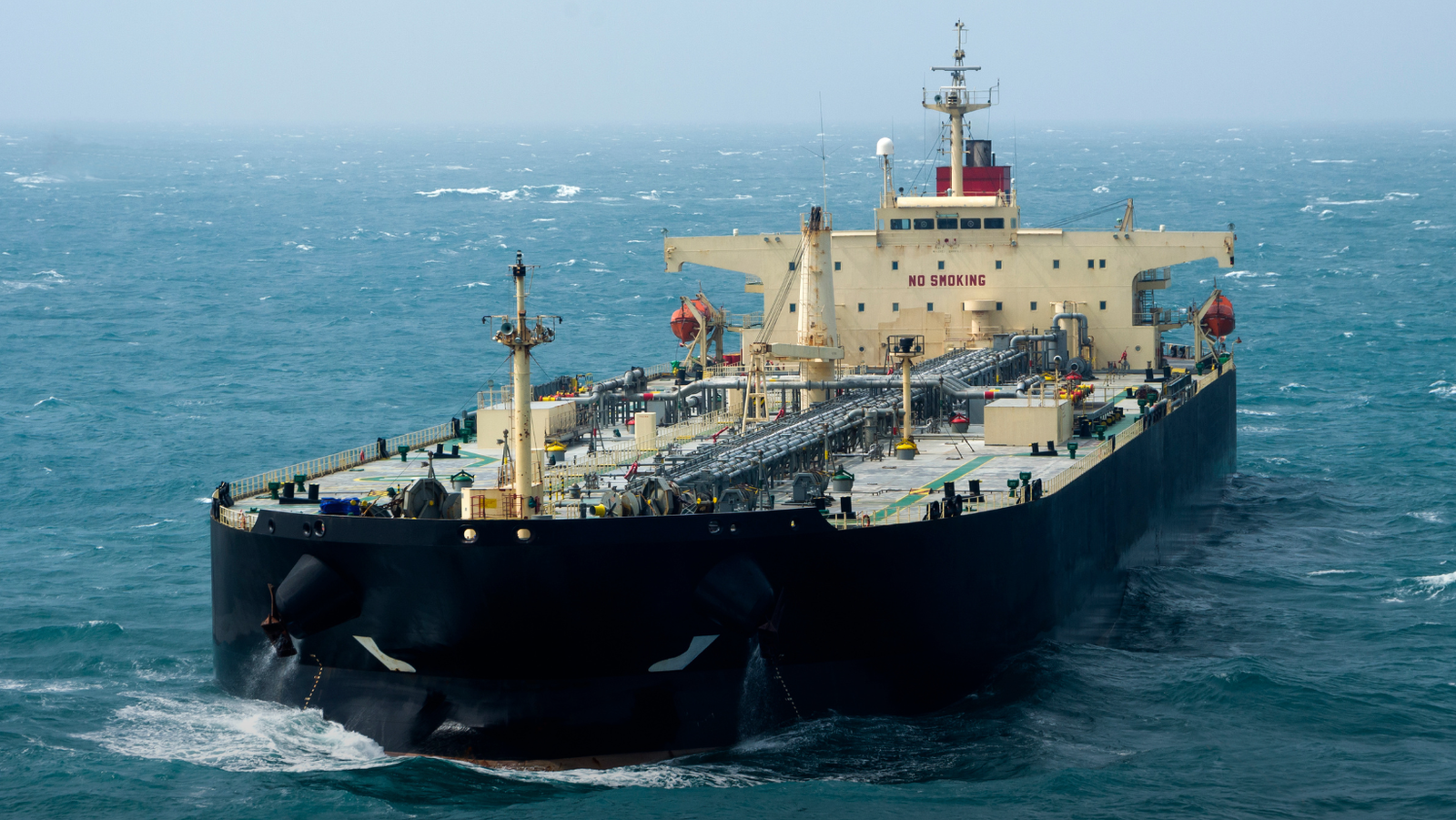
The Strait of Hormuz is an essential global shipping route, with more than 20% of the world’s oil trade passing through it. India is highly dependent on this passage for energy imports, particularly crude oil, liquefied petroleum gas (LPG), and natural gas, which are vital for the country’s energy security and economic stability. According to government sources, India imports a large portion of its crude oil and LPG via the Strait of Hormuz, making the freedom to navigate this route without restrictions critical.
The international conventions that govern the Strait of Hormuz ensure that ships can pass through without the need for approval from any single country. This principle of freedom of navigation is recognized worldwide and is essential to maintaining global trade and economic flow. Sinha clarified that there are established lanes for vessels to enter and exit the strait, but no additional agreements or fees are required for passage. India’s commitment to these principles is rooted in its respect for international law and its support for unimpeded maritime trade.
Ongoing Tensions in the Middle East and Their Impact on Shipping
Despite the rising tensions in the Middle East, particularly the US-Israel-Iran conflict, India remains firm in its stance on free navigation through the Strait of Hormuz. The conflict has led to some disruptions in global shipping, with tankers being stranded in the region due to security concerns. However, India’s government has assured that it will continue to uphold its rights to access this crucial maritime route.
India has also taken steps to ensure the safety of its ships navigating the waters in and around the Gulf. The Indian Navy is actively involved in protecting Indian-flagged vessels as part of “Operation Urja Suraksha,” a mission designed to provide naval escorts for these ships. This proactive military presence in the region aims to reassure both the Indian shipping industry and the global market that the country’s maritime trade will not be compromised.
India’s Dependence on the Strait for Energy Imports
The Strait of Hormuz is not just a vital passage for trade but is also a key channel for India’s energy imports. India relies heavily on the free flow of oil, LPG, and natural gas through the Strait of Hormuz, with a significant portion of its energy imports passing through this vital waterway. This dependence makes the safe and unrestricted passage of vessels a priority for the Indian government.
In recent years, the importance of the Strait of Hormuz to India’s energy security has grown as the country’s demand for imported oil and natural gas continues to rise. The government’s actions to protect its vessels and ensure the continuation of energy imports are driven by a commitment to sustaining the country’s growing energy needs and economic development.
India’s Diplomatic Engagement with Iran
While India has made it clear that it does not require Iranian permission for ships to pass through the Strait of Hormuz, the country has been in regular diplomatic contact with Iran to ensure the safety and security of its vessels. These engagements focus on ensuring that the navigation of Indian-flagged vessels remains uninterrupted, even amid the volatile security situation in the region.
India’s diplomatic efforts reflect a balanced approach, where the country seeks to maintain its energy security while engaging with Iran to ensure peace and stability in the region. India continues to foster good relations with Iran, but it also maintains a firm position on its right to navigate freely through international waters.
Conclusion: Upholding India’s Maritime Rights
India’s rejection of Iran’s control over the Strait of Hormuz passage is a clear statement of the country’s commitment to the principles of international law and free navigation. As a major importer of energy and a key player in global trade, India’s ability to navigate the Strait of Hormuz without restriction is crucial to its national interests.
India’s government remains committed to ensuring the continued free flow of goods and energy through the Strait of Hormuz, and the country will continue to assert its right to navigate this vital passage in line with international conventions. As tensions in the Middle East continue to evolve, India’s position highlights the importance of upholding global shipping laws and maintaining peaceful and secure maritime trade routes.
For the latest developments on the situation in the Gulf region, visit our Middle East Insights and Analysis page.