
IMF Georgieva Warns Oil Prices Could Raise Inflation
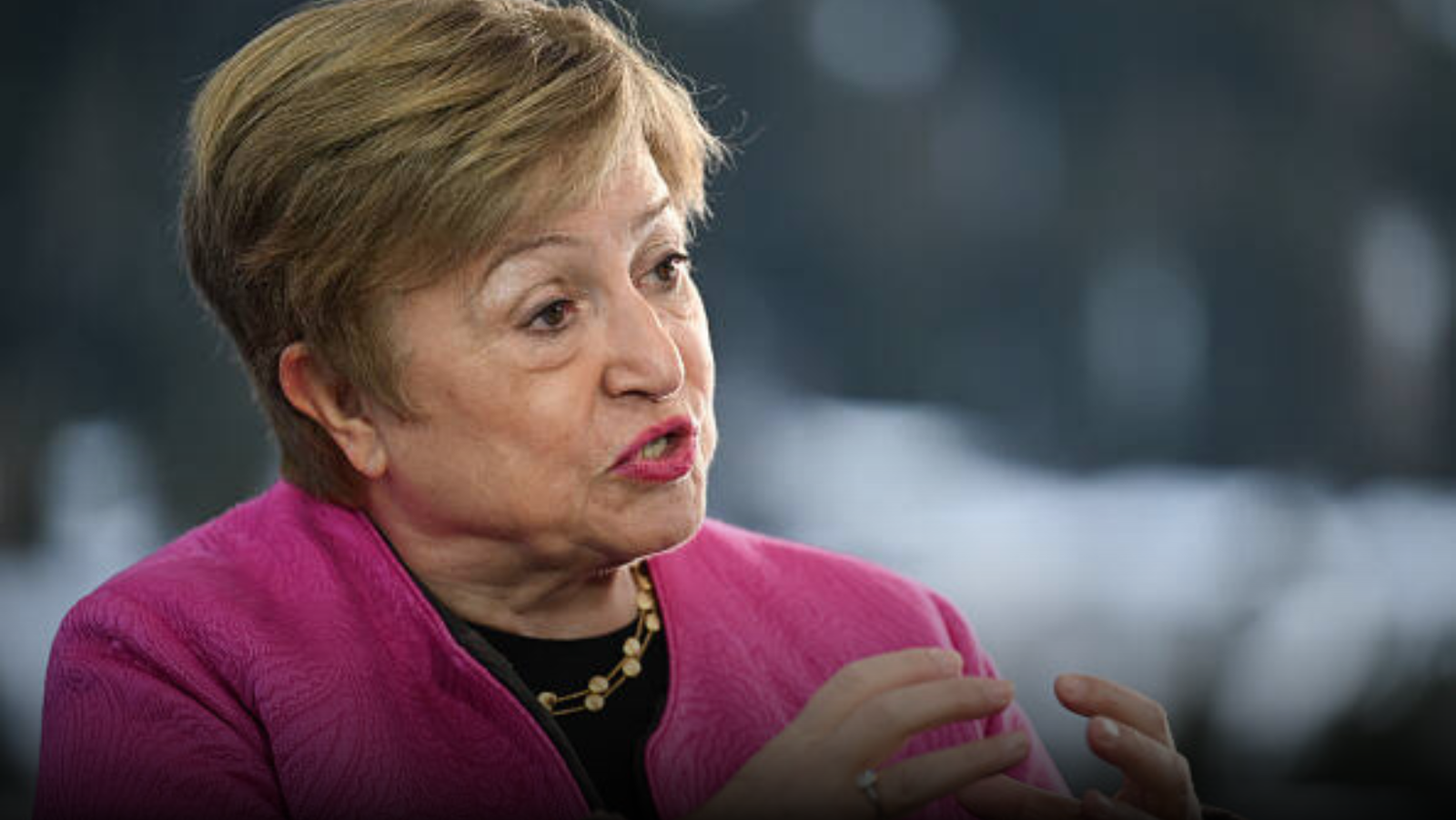
IMF Georgieva Warns Oil Prices Could Raise Inflation as Middle East tensions continue to disrupt energy markets, threatening global economic stability.
Kristalina Georgieva, Managing Director of the International Monetary Fund (IMF), on Monday warned that escalating tensions in the Middle East could lead to higher global inflation if oil prices remain elevated. She highlighted that a sustained 10 percent increase in oil prices throughout 2026 could push global inflation up by 40 basis points.
Speaking at a symposium organized by Japan’s finance ministry, Georgieva emphasized the fragility of the world economy in the face of geopolitical disruptions. “The resilience of global markets is being tested again by the new Middle East conflict,” she said, noting the need for policymakers to anticipate unexpected economic shocks.
“The advice to governments is to think the unthinkable and prepare accordingly,” Georgieva added, stressing proactive fiscal and monetary strategies to mitigate potential inflationary pressures.
Rising oil prices directly impact consumer costs, particularly in energy-dependent industries. Analysts caution that persistent increases could strain national budgets, disrupt supply chains, and affect both transportation and manufacturing sectors.
Georgieva’s warning comes as investors and central banks monitor the conflict closely. Any prolonged escalation could influence interest rate decisions and global monetary policies, while countries heavily reliant on oil imports may face sharper inflation.
The IMF chief urged nations to adopt contingency measures, including energy diversification and fiscal safety nets, to safeguard economies against sudden shocks. Her comments underline the importance of preparing for multiple economic scenarios amid global uncertainty.
The Middle East conflict and its effect on oil markets remain key concerns for policymakers worldwide. Georgieva’s statement highlights the IMF’s role in advising governments on maintaining stability while addressing inflation risks from energy market volatility.