France military presence Middle East Macron strategy
France Military Presence Middle East Macron Strategy Explained
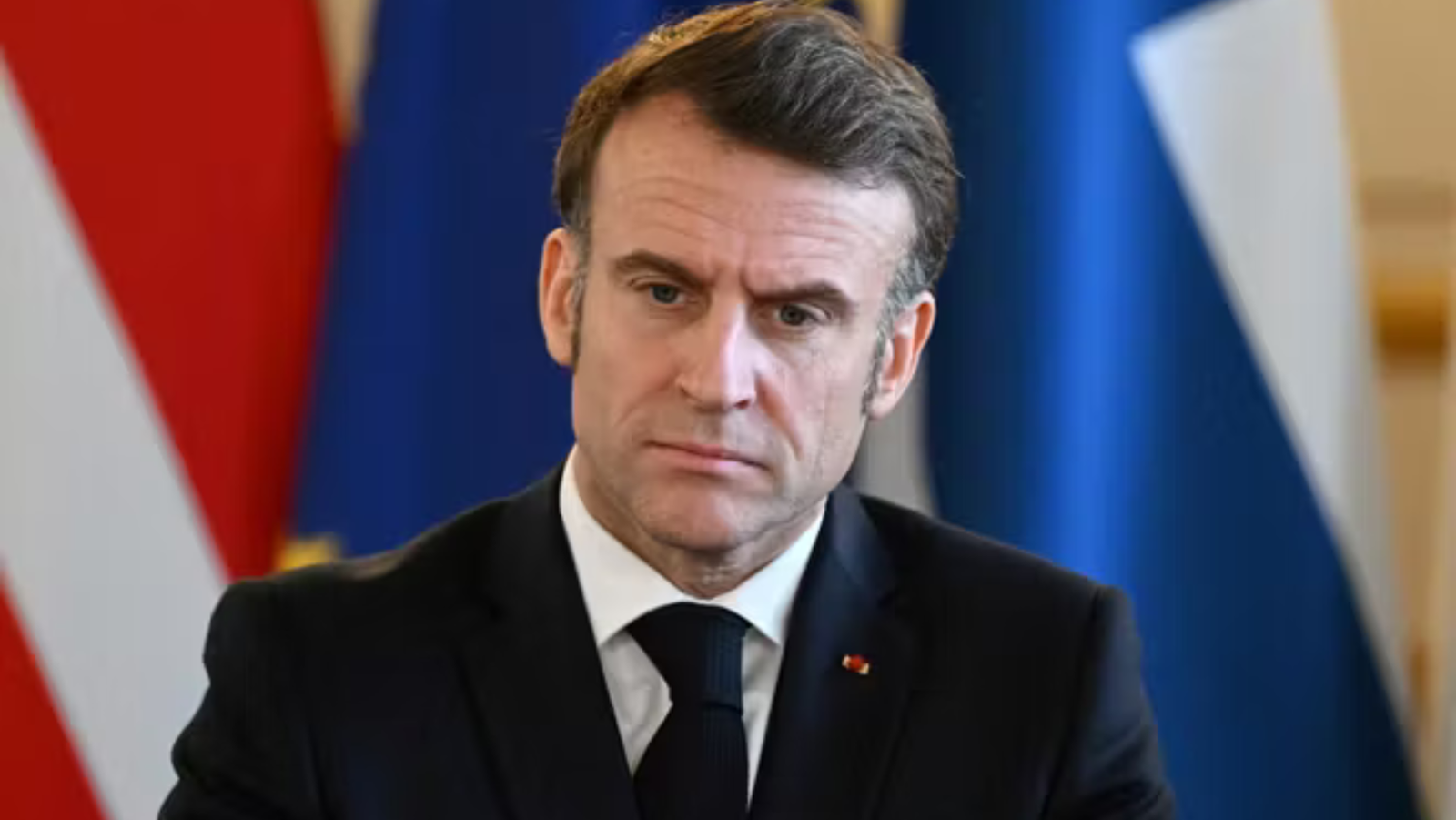
The government of France has significantly increased its military presence across the Middle East as Emmanuel Macron seeks to strengthen the country’s strategic position ahead of possible diplomatic negotiations once the regional conflict stabilizes.
French authorities describe the move as a precautionary measure designed to protect national interests and support allies in the region. Paris insists that the deployment is defensive in nature and does not signal that France intends to become directly involved in the ongoing fighting.
At the same time, Macron has been engaging in diplomatic conversations with several regional and international leaders, attempting to keep communication channels open while tensions remain high.
Large Naval Deployment Signals Strategic Intent
France has dispatched an extensive naval force to the eastern Mediterranean and nearby waters, marking one of the most substantial military deployments the country has made to the region in recent years.
Among the vessels sent are several warships and helicopter carriers, along with the nuclear-powered aircraft carrier Charles de Gaulle aircraft carrier. The carrier group includes approximately twenty Dassault Rafale fighter jet aircraft, providing strong aerial capability for surveillance and defense operations.
According to French officials, the naval presence allows the country to respond rapidly to emergencies and protect its citizens living across the Middle East.
France also stationed a frigate near Cyprus to strengthen air-defense capabilities against potential drone or missile threats. Two additional frigates were deployed to the Red Sea, where international shipping routes have faced increasing security concerns.
The expanded naval presence has made France one of the most visible European military powers currently operating in the region.
Protecting French Nationals Abroad
A key factor behind the military buildup is the large number of French citizens living in Middle Eastern countries. Authorities estimate that more than 400,000 French nationals reside in the region.
Significant populations are located in Israel and the United Arab Emirates, with tens of thousands more spread across neighboring countries.
French defense officials say the naval forces could support evacuation operations if security conditions deteriorate. Military ships and aircraft are capable of transporting civilians quickly in emergency situations.
Officials say these preparations are necessary given the unpredictable nature of the ongoing conflict and the possibility that tensions could escalate further.
Defense Partnerships in the Gulf
France maintains long-standing defense relationships with several Gulf nations. These partnerships include military cooperation agreements with Qatar, Kuwait, and the United Arab Emirates.
In Abu Dhabi, France operates a permanent military base that hosts both air and naval forces. The number of Rafale fighter jets stationed there has recently increased, reflecting heightened security awareness across the region.
French defense officials confirmed that some of these aircraft have been used to intercept drones that posed potential threats to partner countries.
Paris has emphasized that such actions are conducted within the framework of defense agreements and cooperation with allied governments.
Risks Highlighted After Attack in Iraq
The security situation became more serious after a drone strike in northern Iraq resulted in the death of a French soldier. The attack occurred near the city of Erbil, where French forces are stationed to assist Iraqi security units as part of an international counter-terrorism mission.
Several other personnel were injured in the same incident.
The attack has raised concerns about the vulnerability of foreign military forces operating in the region. French political figures have acknowledged that while the deployments are necessary, they also carry certain risks.
Former French president François Hollande cautioned that military operations in such a volatile environment must be handled carefully to avoid unintended escalation.
Diplomatic Engagement Across the Region
While strengthening military readiness, Macron has also intensified diplomatic outreach. The French president has spoken with several leaders in an effort to reduce tensions and explore potential solutions.
One notable conversation took place with Masoud Pezeshkian, the president of Iran. The discussion focused on urging restraint and preventing further escalation across the region.
Macron has also held talks with Benjamin Netanyahu, the prime minister of Israel, and Donald Trump, president of the United States.
French officials say these diplomatic efforts aim to create conditions for broader negotiations once the most intense phase of the conflict ends.
France’s Role in Lebanon
France has also focused considerable attention on the situation in Lebanon, where clashes involving the militant group Hezbollah have contributed to growing instability.
Paris has historically maintained close ties with Lebanon and remains an important supporter of the Lebanese armed forces.
French troops are currently serving as part of a United Nations peacekeeping mission in the country. In addition, France has provided armored vehicles and other logistical support to strengthen Lebanon’s national security institutions.
Beyond military assistance, France recently sent humanitarian aid to Beirut, delivering medical supplies and essential relief materials for civilians affected by the conflict.
Securing Global Energy Routes
Another priority for Macron’s government is maintaining security for international shipping routes. The Strait of Hormuz, a critical corridor for oil and gas shipments, has faced disruptions due to regional tensions.
France has proposed international cooperation to protect commercial vessels traveling through the area. One possible measure involves escorting tankers and cargo ships with naval vessels once conditions allow.
Ensuring safe passage through this waterway is considered vital for global energy markets and international trade.
Strategic Ambitions on the Global Stage
Political analysts say Macron’s actions reflect a broader effort to position France as a significant diplomatic and security actor on the global stage.
By combining military readiness with diplomatic outreach, Paris hopes to influence discussions about the region’s future once active fighting subsides.
Some experts, however, question how much influence France can ultimately exert over such a complex conflict involving numerous regional and international players.
Nevertheless, Macron continues to advocate for dialogue and negotiation as the only sustainable path toward long-term stability in the Middle East.