
European Leaders Support Saudi Arabia Amid Attacks
Dutch and Belgian Officials Reaffirm Support for Crown Prince
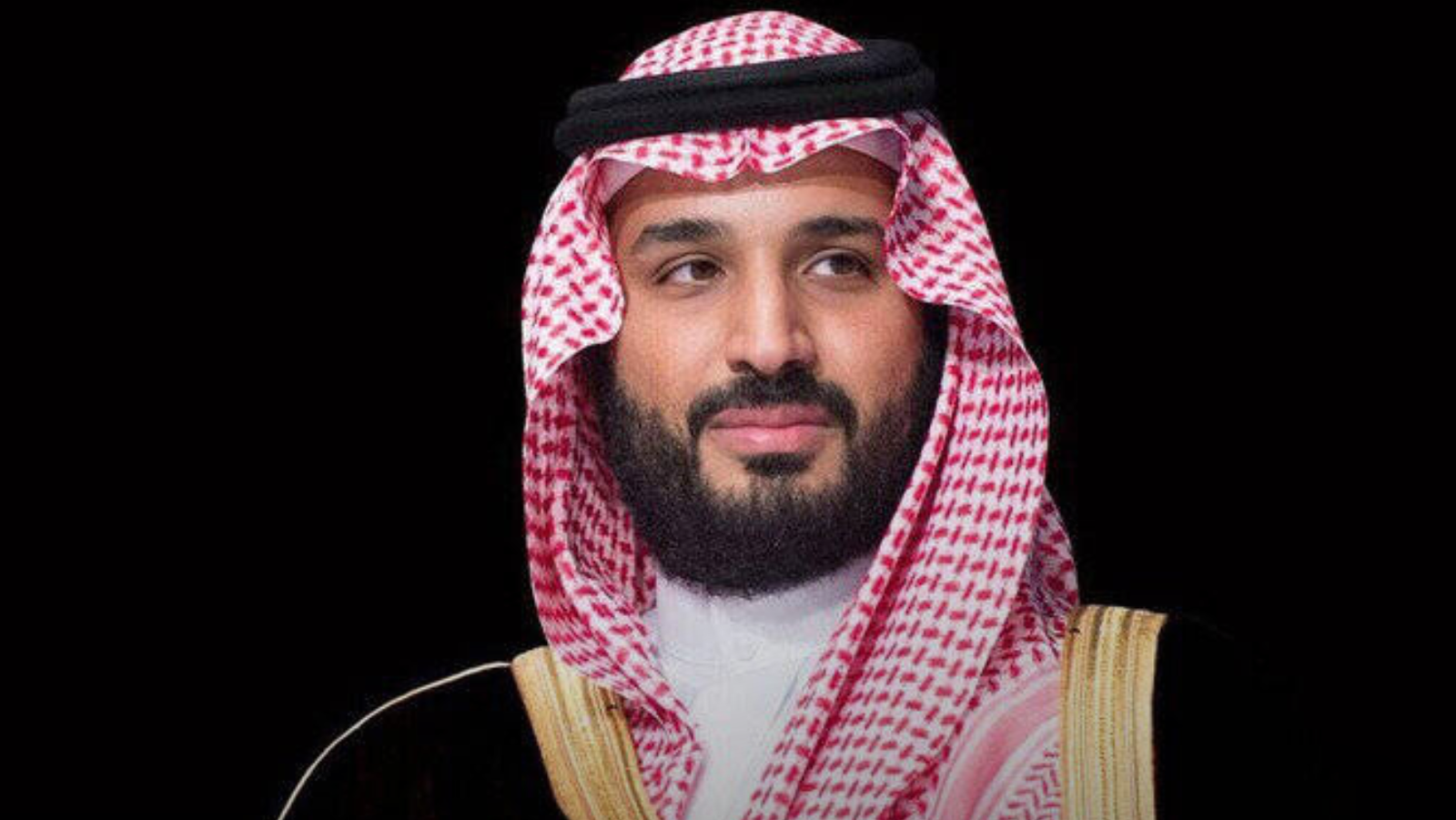
Saudi Crown Prince Mohammed bin Salman received individual phone calls from Dutch Prime Minister Rob Jetten and Belgium’s King Philippe on Tuesday, reinforcing European support for the Kingdom amid ongoing missile and drone strikes. The outreach follows a surge in regional tensions triggered by retaliatory actions from Iran.
Prime Minister Jetten conveyed the Netherlands’ solidarity, emphasizing that repeated Iranian attacks pose serious risks to regional stability and security. Their discussion also touched on the broader geopolitical implications of these events, highlighting shared concerns over energy security and the protection of vital infrastructure.
Belgium’s King Philippe echoed these sentiments, affirming that the Belgian government and public stand firmly with Saudi Arabia. He praised Riyadh’s proactive measures to safeguard sovereignty and stressed the importance of uninterrupted energy and trade flows across the Gulf.
Context of the Regional Conflict
The escalation of attacks on Saudi Arabia is tied to US-Israeli strikes on Iranian targets conducted on February 28. Since then, the Kingdom has intercepted over 630 drones and more than 50 missiles, according to the Saudi Ministry of Defense.
These attacks have raised global concern over the security of key energy infrastructure, particularly the Strait of Hormuz, through which a significant portion of the world’s oil and gas shipments pass. European nations, while not directly involved in military operations, have consistently called for de-escalation and diplomatic engagement to prevent further disruption.
France and Broader European Involvement
Earlier, France’s President Emmanuel Macron spoke with the Crown Prince, reaffirming solidarity with Saudi Arabia. Macron condemned the repeated strikes, highlighted the potential for escalation, and stressed the importance of securing critical energy facilities.
These diplomatic efforts show a unified European approach to supporting Gulf stability, protecting energy trade, and maintaining international norms during volatile situations.
Economic and Strategic Importance of European Support
Belgium and the Netherlands are vital partners in Saudi Arabia’s economic and industrial initiatives. Belgian ports, particularly Antwerp-Bruges, serve as key gateways for Saudi petrochemical exports, while Belgian companies contribute to engineering, water management, and infrastructure projects under Vision 2030.
The Netherlands collaborates with Saudi Arabia in renewable energy, advanced engineering, and logistics projects, supporting the Kingdom’s economic diversification and sustainable development objectives.
“European support is crucial not only for security but also for protecting trade and energy networks,” said security analyst Mark Van Dijk. “These partnerships ensure that regional stability and economic interests are safeguarded amid ongoing tensions.”
Diplomatic Engagement Amid Rising Tensions
Saudi Arabia has leveraged diplomatic channels to garner international backing while managing domestic security threats. The calls from King Philippe and Prime Minister Jetten illustrate a dual approach: reassurance for the Kingdom and a firm warning against further escalation.
Though Belgium and the Netherlands are not directly engaged in security operations, their support strengthens Saudi Arabia’s position in regional negotiations and highlights the importance of collective diplomatic pressure.
Energy Security and Global Market Implications
The ongoing tension is having a major impact on energy supply and pricing worldwide. Europe depends on stable oil and gas flows from the Gulf, and any disruption could impact supply and prices. By expressing solidarity, European leaders aim to maintain confidence in energy trade routes and minimize market instability.
“This level of international backing reassures global markets that critical energy corridors are protected,” noted economist Laura Meijer.
Historical Context of Saudi-European Relations
Saudi Arabia has cultivated longstanding ties with both Belgium and the Netherlands. Cooperation spans trade, energy, industrial development, and cultural exchanges. Historically, European nations have supported diplomatic efforts to resolve conflicts through dialogue, mediation, and international frameworks.
The current crisis reinforces these partnerships, underscoring shared interests in regional stability, energy security, and collaborative economic development.
Security Challenges in the Middle East
The Gulf region remains volatile, with Iran-linked attacks posing threats to both civilian and industrial infrastructure. Coordinated European backing demonstrates that aggressive moves may face international consequences, enhancing deterrence and promoting restraint.
Experts emphasize that unified international support can discourage further hostile actions. Demonstrating strong political support from European nations signals that aggressive moves in the region may provoke wider diplomatic and strategic consequences.
Looking Ahead: Saudi-European Cooperation
Saudi Arabia is expected to continue balancing robust defense measures with diplomatic engagement. European partners are likely to strengthen collaboration in energy security, trade, and conflict mitigation, ensuring the protection of shared interests.
Continued dialogue and cooperation remain vital for reducing regional tensions, safeguarding energy markets, and promoting long-term stability in the Gulf.
Conclusion: Solidarity in Times of Crisis
The phone calls from Dutch Prime Minister Rob Jetten and Belgium’s King Philippe highlight Europe’s unwavering support for Saudi Arabia amid repeated attacks. By reaffirming economic, diplomatic, and strategic ties, these engagements demonstrate the importance of international solidarity during complex geopolitical crises.
Saudi Arabia continues to prioritize the protection of its people and infrastructure while leveraging partnerships with European nations to stabilize the region. This approach aims to mitigate risks, maintain trade and energy security, and uphold international norms in the face of ongoing challenges.