
Epstein sought closer ties with Russian officials, documents reveal
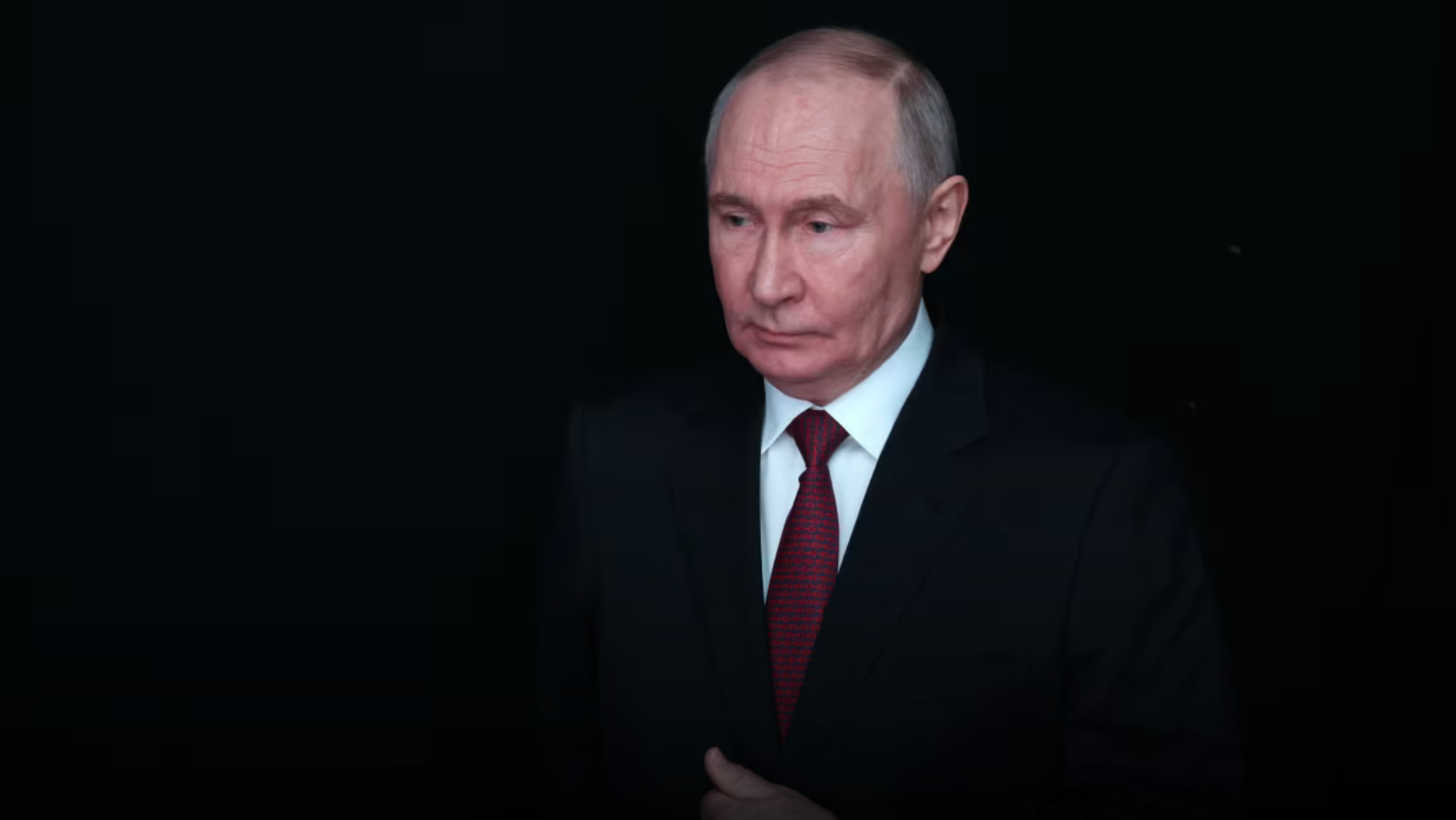
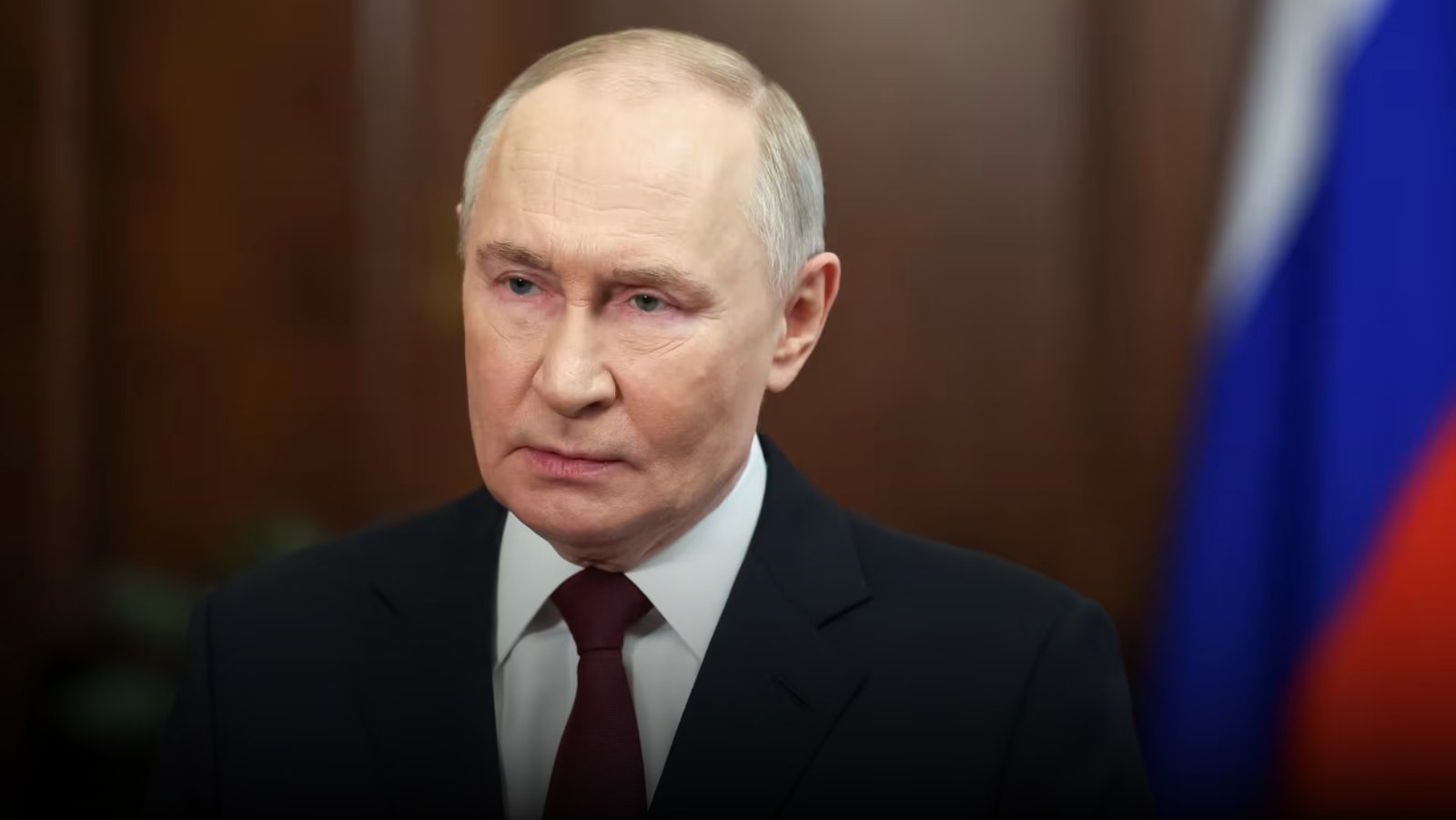
Newly released documents show that Jeffrey Epstein repeatedly attempted to build connections with senior Russian officials, including efforts to establish contact with President Vladimir Putin, according to correspondence disclosed by the US Department of Justice.
The records indicate that Epstein sought to position himself as an intermediary with influence in Russian political and economic circles. In several emails, he described past interactions with diplomats and expressed interest in renewing those contacts following the death of Russia’s former ambassador to the United Nations, with whom Epstein had previously communicated.
In mid-2018, Epstein appeared eager to reach Russian Foreign Minister Sergey Lavrov and suggested that messages be passed to Putin on his behalf. In private correspondence, he portrayed himself as someone capable of offering strategic insight and facilitating cooperation with Western investors, though there is no evidence he ever met the Russian president.
The documents add detail to Epstein’s broader efforts to cultivate relationships with influential political figures across multiple countries. Analysts reviewing the material caution that the correspondence does not prove Epstein held any formal role or influence, instead suggesting he was attempting to elevate his status by associating with powerful individuals.
The release has prompted renewed scrutiny in Europe, with some officials calling for investigations into whether Epstein’s international contacts had intelligence or security implications. Claims that Epstein acted on behalf of Russian intelligence have been publicly dismissed by the Kremlin, which described such allegations as unfounded.
Several emails reference Epstein’s interactions with individuals linked to Russia’s economic and political institutions, including figures associated with major investment forums and state-connected organizations. In some cases, Epstein offered assistance or claimed he could facilitate introductions, while in others he sought help with personal or business matters.
The documents also show Epstein discussing Russia at a time of heightened tensions between Moscow and Washington, following accusations of election interference and growing concerns over geopolitical rivalry. Despite his repeated attempts, there is no confirmation that Epstein successfully established direct contact with Putin or secured the meetings he sought.
Additional correspondence suggests Epstein traveled to Russia on multiple occasions over the years, including visits to Moscow and St. Petersburg. Records also show he later reapplied for a Russian visa shortly before his arrest on federal charges in the United States.
The disclosures add to the expanding picture of Epstein’s international network and his efforts to gain proximity to political power. Authorities have not indicated that the documents reveal new criminal conduct related to his contacts with Russian officials, but further reviews and investigations remain ongoing.