
Dubai and Middle East Flights Disrupted Amid Iran Conflict

Dubai and Middle East flights disrupted amid Iran conflict as airlines resume limited operations step by step
Air travel across the Middle East is experiencing significant disruption following escalating tensions after the United States and Israel launched strikes on Iran. Gulf nations, including the UAE, Qatar, Kuwait, and Bahrain, imposed temporary airspace restrictions, while Iran, Iraq, and Israel closed or limited their airspace. Airports such as Dubai International (DXB), Dubai World Central – Al Maktoum (DWC), and Abu Dhabi Zayed International (AUH) have partially reopened for limited operations, prioritizing repatriation and essential travel. Passengers are contacted directly if flights are confirmed, and airlines are coordinating operations to minimize disruption while ensuring safety.
Emirates
Emirates has resumed a limited flight schedule to approximately 75 destinations. Operations include repatriation and cargo services alongside limited passenger flights. The airline advises passengers not to travel to the airport unless contacted directly with confirmed bookings. Transit passengers are allowed only if onward flights are confirmed. Emirates expects to slowly restore more routes across its global network once regional airspace restrictions begin to ease. Travelers are encouraged to regularly check flight updates, as schedule adjustments or cancellations may still happen due to ongoing security conditions in the region
Etihad Airways
Etihad Airways is operating a restricted schedule to 70 destinations until March 19. Tickets are available online for affected flights, and additional destinations may be added as conditions allow. Passengers holding tickets issued on or before February 28, 2026, for travel up to March 10, may reschedule without rebooking fees on flights operated until March 31. The airline prioritizes passenger safety and is monitoring airspace developments closely. Travelers are advised to check flight status before traveling to airports.
Qatar Airways
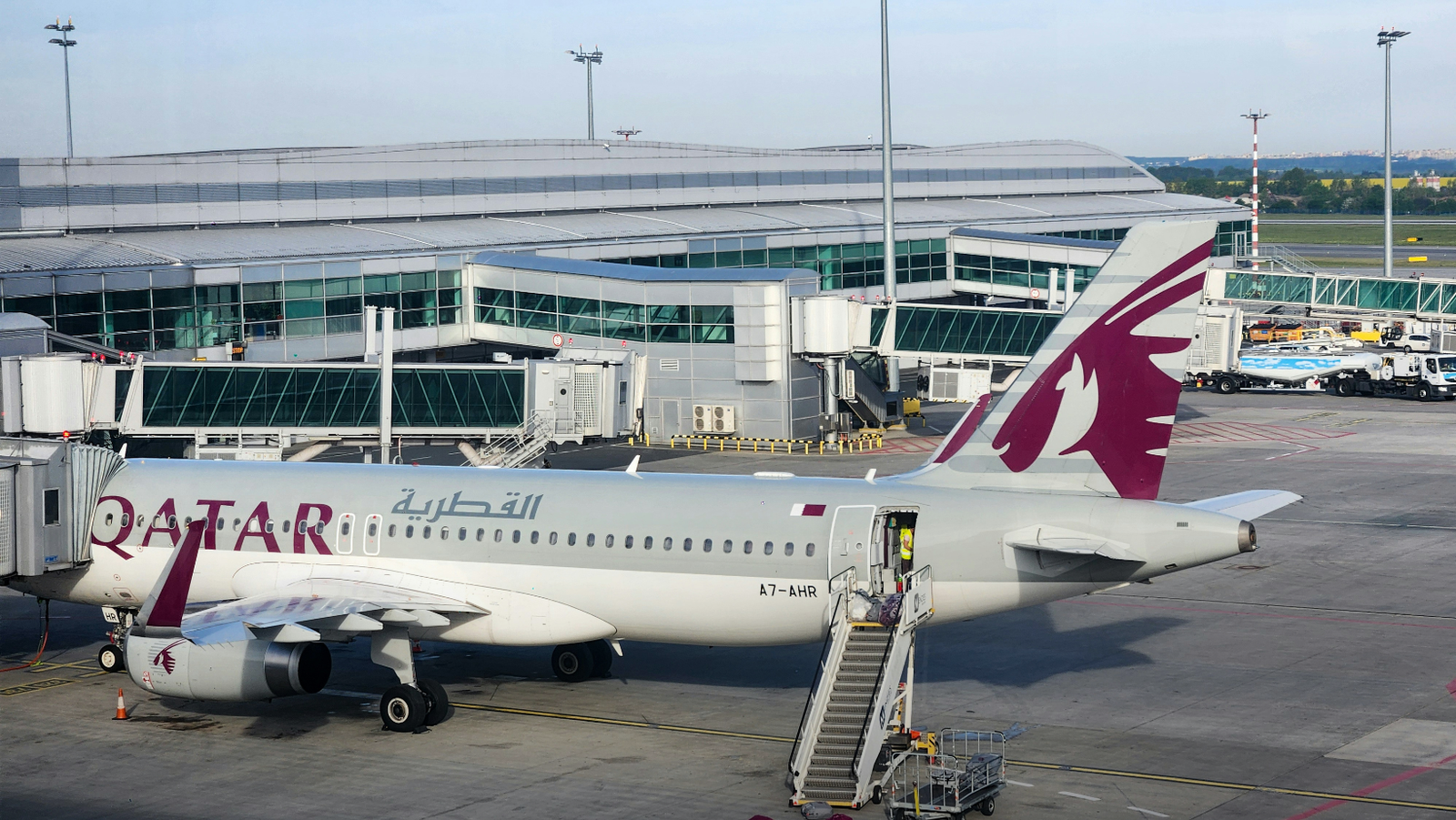
Qatar Airways has resumed select flights from Doha on March 11–13 to destinations including Cairo, New York, Frankfurt, Madrid, London, Mumbai, and Casablanca. This temporary schedule is designed to assist passengers affected by disruptions and does not indicate full network resumption. Travelers must check the airline’s website for updated schedules and availability before heading to airports.
flydubai
flydubai has resumed operations with a limited schedule, focusing on repatriation flights and essential passenger services. Passengers are advised not to visit airports without confirmation of their flights. The airline emphasizes that safety of passengers and crew remains the highest priority and updates regarding schedule changes are regularly posted online.
Oman Air
Oman Air has canceled flights to destinations including Amman, Dubai, Bahrain, Doha, Dammam, Kuwait, Copenhagen, Baghdad, and Khasab until March 15. Updates regarding resumption of flights will follow based on evolving regional airspace conditions. The airline is assisting affected passengers with rebooking and refund options.
Air Arabia
Air Arabia is operating a limited number of flights subject to regulatory approval. Passengers with previously canceled flights may rebook or request refunds. The airline communicates updates directly to affected travelers to ensure timely assistance.
British Airways
British Airways has suspended flights between London Heathrow and Amman, Bahrain, Doha, Dubai, and Tel Aviv until March 28. The airline is contacting affected passengers with options including limited repatriation flights from Muscat to London. Daily flights between London and Abu Dhabi are suspended, with travelers advised to follow updates and alternative arrangements.
Gulf Air
Gulf Air has suspended all flights inbound, outbound, and in transit due to the closure of Bahraini airspace. The airline has relocated its fleet to alternative airports for safety, and services will resume only after aviation authorities confirm safe operations. Passengers are advised to monitor Gulf Air announcements for updates.
Lufthansa
Lufthansa has extended its suspension of services to Dubai and Abu Dhabi through March 15, halted operations to Amman and Erbil until that same date, paused flights to Beirut through late March, and is not operating services to Tehran until the end of April, with passengers urged to check airline notices for rebooking and refund options.
Virgin Atlantic
Virgin Atlantic has suspended the London-Dubai seasonal route earlier than planned due to the Middle East escalation. The airline is actively assisting affected passengers with rebooking and refund solutions.
Norwegian
Norwegian has canceled all flights until March 12. Passengers will be informed directly regarding rebooking or refund options. The airline continues to monitor the regional situation closely.
Air India & Air India Express
Air India and Air India Express are operating limited flights from Dubai, Abu Dhabi, Sharjah, Ras Al Khaimah, and Salalah. Flights to Jeddah and Muscat continue as scheduled. Other flights operate on an ad-hoc basis. Passengers with confirmed bookings may reschedule canceled flights or request full refunds.
KLM
KLM has suspended all flights to Dubai until March 28 due to ongoing unrest in the Middle East. The airline prioritizes passenger and crew safety and is assisting passengers with rebooking or refunds.
SalamAir
SalamAir is operating limited services connecting Fujairah International Airport to Muscat, with onward flights to Lucknow, Hyderabad, Istanbul, Karachi, and Cairo. Tickets must be booked through the airline or authorized travel agents.
Kuwait Airways
Kuwait Airways continues emergency repatriation flights, with commercial operations suspended at Kuwait International Airport. Some passengers may need to complete journeys by land due to airspace restrictions.
Air Canada
Air Canada has suspended flights to Dubai and Tel Aviv until March 22, citing safety concerns related to the ongoing regional conflict.
Airspace restrictions remain a significant factor in the Middle East. The UAE has partially reopened for limited flights. Qatar allows restricted operations. Iran, Iraq, Israel, and Bahrain continue to restrict flights. Saudi Arabia’s airspace is partially affected. Travelers should anticipate cancellations, rerouting, longer flight times, and schedule changes. Airlines are providing flexible rebooking and refund options where applicable, while coordinating with authorities to maintain essential travel safely.
Passengers traveling through major hubs including Dubai, Abu Dhabi, Doha, Bahrain, Kuwait, Tel Aviv, and Tehran must monitor airline communications for updates and ensure travel plans reflect evolving operational conditions. Despite disruptions, limited flights continue to operate to ensure essential connectivity and repatriation of passengers stranded by airspace closures.
The Dubai and Middle East flights disrupted amid Iran conflict situation continues, with airlines resuming operations step by step. Travelers must remain vigilant, follow airline updates closely, and expect continued adjustments and delays until the airspace situation stabilizes.