

Drone hits Saudi Samref refinery in Yanbu attack
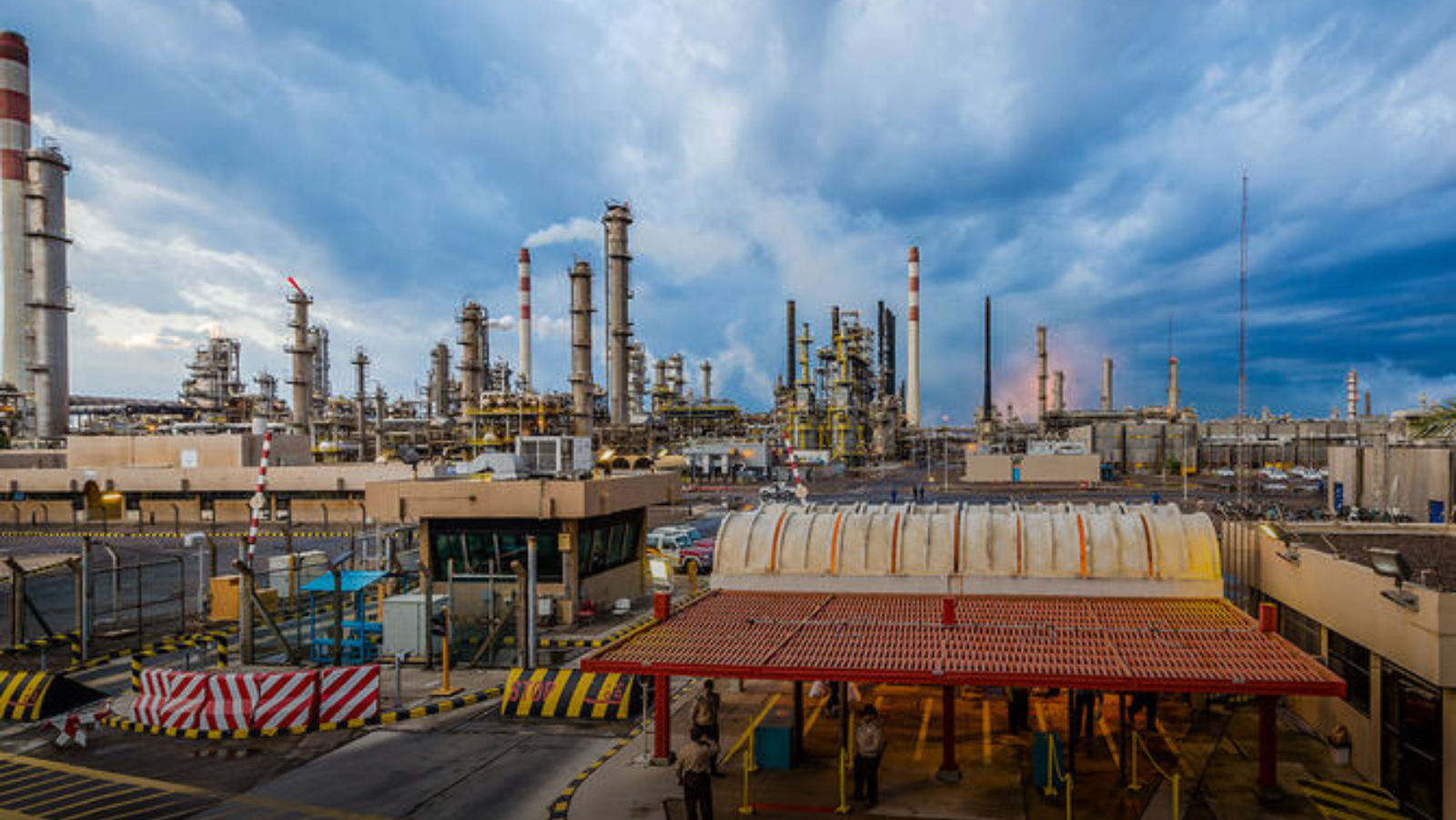
Drone hits Saudi Samref refinery in Yanbu attack raises Gulf security concerns
A drone strike targeted a major oil refinery on Saudi Arabia’s Red Sea coast, marking another serious escalation in regional tensions. The incident occurred at the Samref refinery in Yanbu, a critical industrial site that plays a key role in the Kingdom’s energy production. Authorities confirmed that the drone struck the facility, while a separate ballistic missile aimed at the same area was intercepted before causing damage.
Officials stated that an immediate assessment of the refinery is underway to determine the extent of the impact. Early indications suggest that while the strike caused concern, emergency response teams acted quickly to secure the area and prevent further complications. The incident highlights the growing risks to energy infrastructure in the region as geopolitical tensions continue to rise.
Strategic importance of Yanbu refinery on Red Sea coast
The Samref refinery, located in Yanbu, is one of the most significant refining facilities in the Middle East. It is jointly owned by Saudi Aramco and ExxonMobil through its refining subsidiary, making it a key asset in global oil supply chains. The refinery processes hundreds of thousands of barrels of crude oil per day, supplying both domestic and international markets.
Its position along the Red Sea provides a strategic advantage, allowing exports to bypass the Strait of Hormuz, a chokepoint often affected by regional tensions. This makes Yanbu a vital hub for maintaining stable oil exports even during periods of conflict. The drone attack therefore raises concerns not only for Saudi Arabia but also for global energy security.
Missile interception prevents further damage
Shortly before the drone impact, Saudi defense systems successfully intercepted a ballistic missile targeting Yanbu port. Military officials confirmed that the missile was destroyed mid-air, preventing what could have been a more severe incident. The interception demonstrates the Kingdom’s growing defensive capabilities in responding to aerial threats.
Despite this success, the combination of a drone strike and a missile attempt underscores the complexity of modern attacks on critical infrastructure. Experts note that coordinated assaults using multiple methods are becoming more common, making it increasingly challenging to ensure complete protection of vital facilities.
Regional escalation and recent energy facility attacks
The strike on the Yanbu refinery did not occur in isolation. It is part of a broader pattern of attacks on energy infrastructure across the Gulf region. In recent days, multiple countries have reported similar incidents involving drones and missiles targeting oil and gas facilities.
Qatar experienced significant damage to one of its key energy hubs following missile strikes. The United Arab Emirates temporarily shut down gas operations after intercepting incoming threats. In Kuwait, drone attacks triggered fires at major refineries, disrupting operations and raising safety concerns. Saudi Arabia itself has also intercepted several drones aimed at facilities in the Eastern Region and even near the capital.
This wave of attacks suggests a coordinated effort to target energy production and distribution networks, increasing pressure on regional governments and international markets.
Impact on global energy markets and supply stability
The attack on the Samref refinery has raised concerns among energy analysts about potential disruptions to global oil supplies. While no major shutdown has been confirmed, even limited damage to such a significant facility can affect production capacity and market confidence.
Global energy markets are highly sensitive to developments in the Gulf region, which accounts for a substantial share of the world’s oil and gas exports. Any perceived threat to supply routes or infrastructure can lead to price volatility and uncertainty.
The location of the Yanbu refinery on the Red Sea provides some resilience, as it allows exports to continue even if tensions affect other routes. However, repeated attacks could challenge this advantage, particularly if they become more frequent or more destructive.
Security measures and defensive responses by Saudi Arabia
Saudi Arabia has significantly strengthened its air defense systems in recent years, investing in advanced technology to detect and intercept incoming threats. The successful interception of the ballistic missile near Yanbu reflects these efforts.
Authorities have also increased surveillance and coordination between military and industrial sectors to ensure rapid response in case of attacks. Emergency protocols were activated immediately after the drone strike, helping to minimize potential damage and ensure the safety of personnel.
Despite these measures, the evolving nature of drone warfare presents ongoing challenges. Smaller, low-flying drones can be difficult to detect, requiring continuous upgrades in defense strategies and international cooperation to address emerging threats.
Diplomatic signals and warnings from Saudi leadership
Saudi officials have issued strong statements emphasizing that continued attacks will not go unanswered. The Kingdom has shown restraint so far, but leaders have made it clear that patience has limits.
Diplomatic efforts are ongoing, with regional and international partners being engaged to reduce tensions and prevent further escalation. At the same time, the government is reinforcing its commitment to protecting national infrastructure and maintaining stability in energy markets.
The situation reflects a delicate balance between avoiding broader conflict and ensuring that repeated attacks do not go unchecked. Saudi Arabia’s response in the coming days will likely shape the direction of regional security dynamics.
Future outlook for Gulf security and energy protection
The drone hits Saudi Samref refinery in Yanbu attack highlights the vulnerability of critical infrastructure in an increasingly volatile region. As attacks become more frequent and sophisticated, countries must adapt their security strategies to address new threats.
Maintaining stability will require a combination of strong defense systems, diplomatic engagement, and international cooperation. Energy infrastructure remains a primary target due to its economic importance, making its protection a top priority for governments.
The global community is closely monitoring developments, as any escalation could have far-reaching consequences beyond the Gulf. Ensuring the safety of key facilities like the Yanbu refinery is essential not only for regional stability but also for the continued reliability of global energy supplies.