
Climber Goes on Trial Over Girlfriend’s Death on Austria’s Highest Peak
A 33-year-old German woman who froze to death on Grossglockner last year died after a winter ascent that prosecutors say should never have continued. More than a year after the tragedy, her boyfriend has gone on trial in Austria accused of gross negligent manslaughter, in a case that has sparked debate within the international mountaineering community.
Kerstin G succumbed to hypothermia during a climb on 19 January 2025 after the couple attempted to scale the 3,798m (12,460ft) peak in severe winter conditions. Austrian prosecutors argue that her partner, identified in local media as Thomas P, acted as the “responsible guide for the tour” due to his greater experience in high-altitude Alpine climbs and failed to turn back or seek help in time.
The trial is being held in Innsbruck, where state prosecutors allege that the defendant made a series of critical errors, including setting off two hours later than advisable, failing to carry sufficient emergency bivouac equipment, and allowing his girlfriend to wear snowboard soft boots deemed unsuitable for mixed high-altitude terrain.
According to prosecutors, the couple encountered winds of up to 74km/h (45mph), with temperatures dropping to -8C and windchill values reaching -20C. They argue that conditions warranted turning back before it was too late.
The defence disputes these claims. The climber’s lawyer, Kurt Jelinek, described the death as “a tragic accident” and said the couple had jointly planned the expedition, believing themselves to be adequately prepared and physically fit. He maintains that both had relevant Alpine experience and that they continued toward the summit because neither initially appeared exhausted.
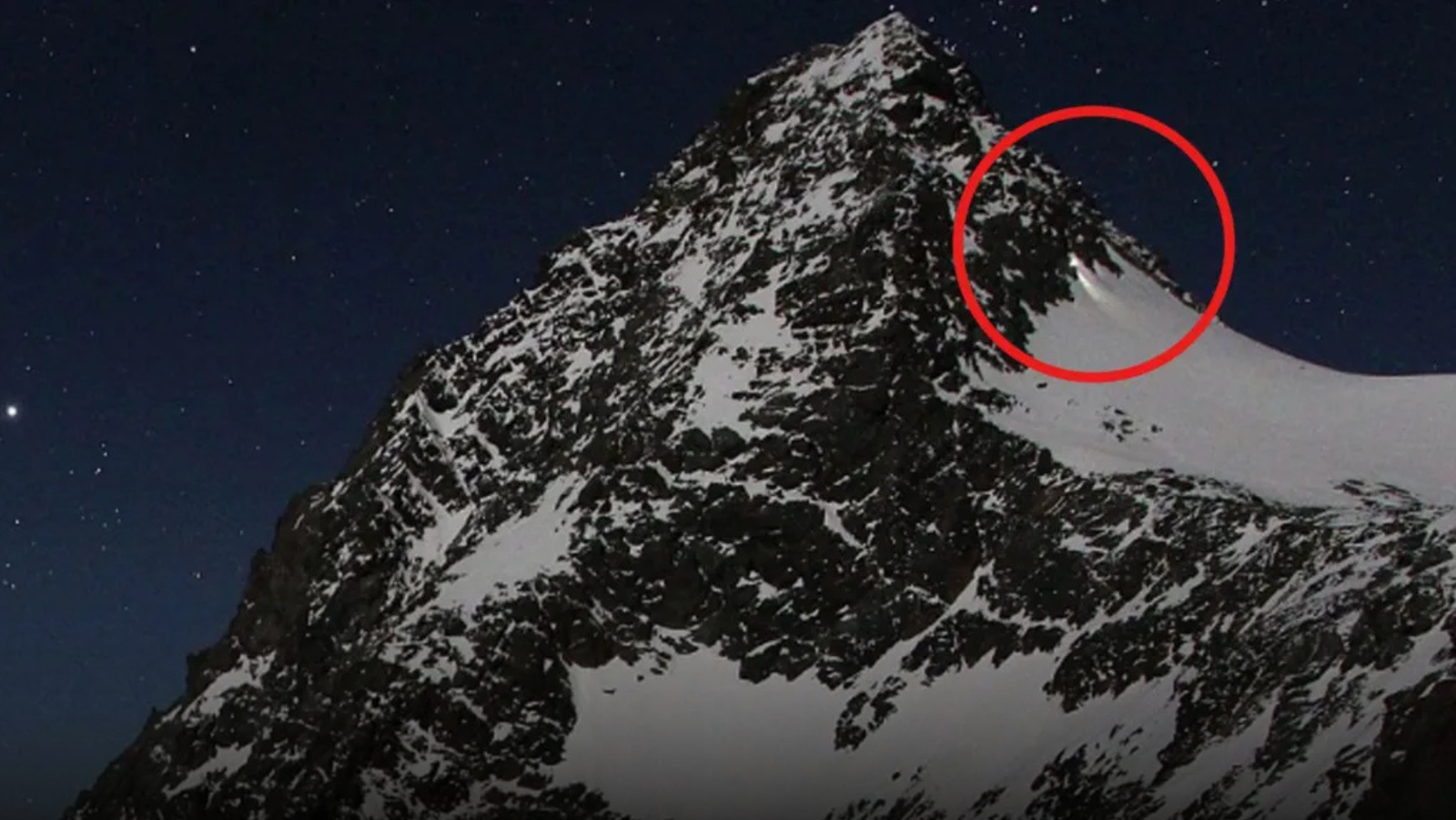
Webcam footage later showed torchlight moving across the mountainside late into the evening. Prosecutors allege the pair became stranded around 20:50 but that no distress call was made when a police helicopter flew overhead at approximately 22:50.
The defence says the situation deteriorated suddenly after midnight when Kerstin G showed severe signs of exhaustion. At 00:35, the defendant contacted mountain police, though authorities contend he failed to provide clear information and subsequently silenced his phone.
Prosecutors state that he left his partner alone on the mountainside around 02:00 to seek help, without adequately protecting her from the cold using available emergency equipment. Emergency services were formally notified at 03:30, but high winds prevented any helicopter rescue during the night.
Kerstin G died alone in the snow just below the summit cross of the Grossglockner.
If convicted, the defendant faces up to three years in prison. Legal experts say the case could set a significant precedent, potentially reshaping how responsibility is defined in mountaineering expeditions and when personal risk-taking may cross into criminal liability.