
China US communication over Trump visit diplomatic talks
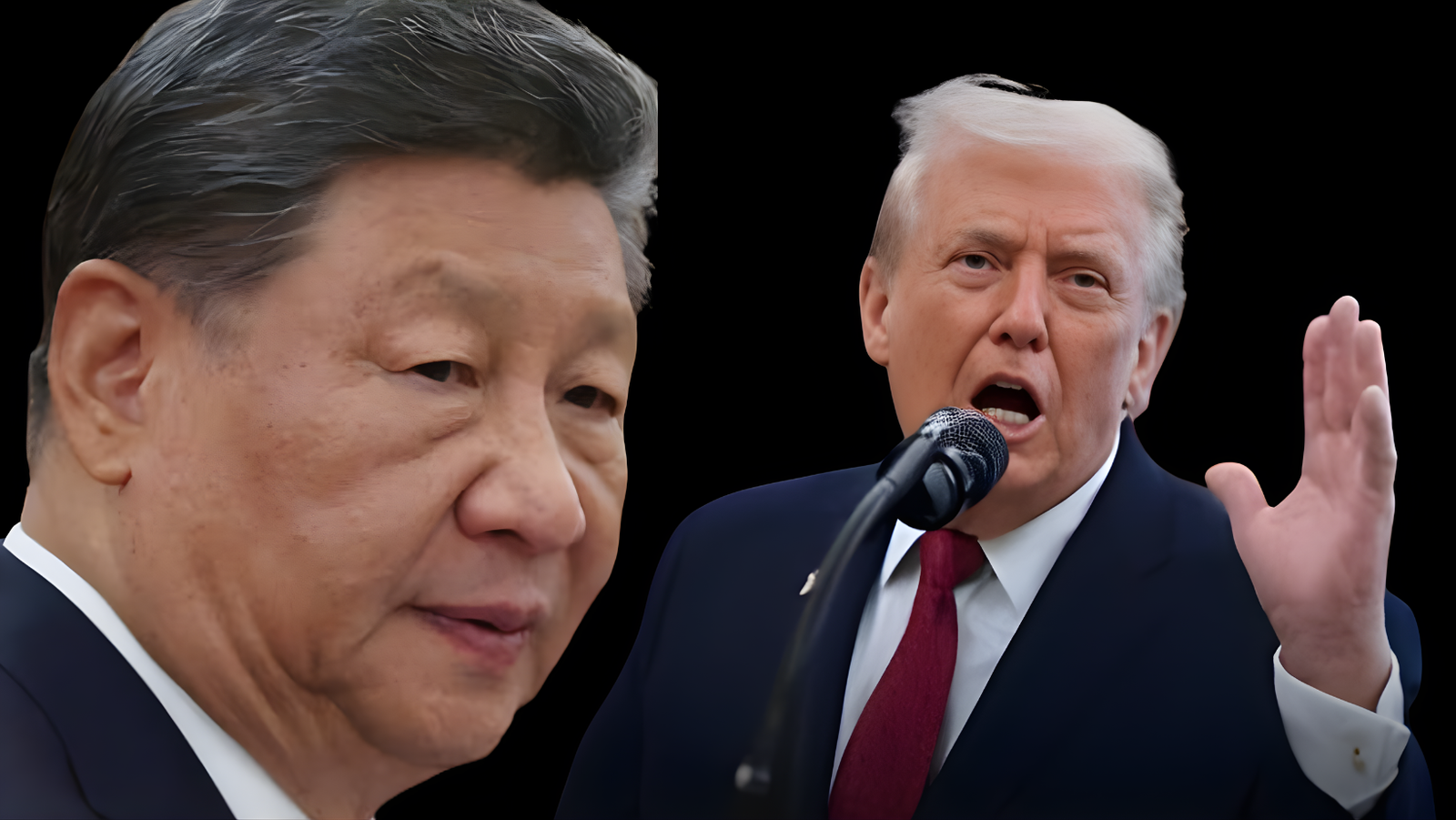
China US Communication Over Trump Visit Diplomatic Talks Continue
Officials in China confirmed that diplomatic discussions are ongoing with the United States regarding a potential visit by Donald Trump later this month. The talks come at a time when economic cooperation, international trade, and geopolitical developments are influencing relations between the world’s two largest economies.
China’s foreign ministry stated that communication channels remain open between both governments as preparations for a possible meeting between Xi Jinping and President Trump continue. While details about the visit have not yet been finalized by Beijing, officials confirmed that diplomatic coordination is underway.
Such high-level meetings between national leaders are often viewed as an important mechanism for guiding broader relations between the two countries.
Diplomatic Dialogue Between Beijing and Washington
During a press briefing in Beijing, a spokesperson for China’s foreign ministry explained that both sides are maintaining contact regarding the potential presidential visit. According to officials, discussions are taking place through diplomatic channels to coordinate schedules and determine the agenda for any future meeting.
The spokesperson emphasized that direct engagement between national leaders plays a critical role in shaping bilateral relations. Dialogue at the highest level often helps manage differences, strengthen economic ties, and provide strategic direction for cooperation in global affairs.
Although the timing of the visit has not been formally confirmed by Chinese authorities, reports from Washington suggest that the US president could travel to China toward the end of March.
If the visit takes place, it would represent another significant chapter in the evolving relationship between China and the United States, which has experienced both cooperation and tension in recent years.
Trade Expected to Be Central Topic
Economic matters are expected to dominate discussions between Xi Jinping and Donald Trump should the meeting move forward.
Trade relations between the two countries have been a key focus since Trump returned to the White House. Several economic disagreements have surfaced during the past year, particularly regarding market access, industrial production levels, and regulatory policies affecting international companies.
Analysts believe that any summit between the two leaders would likely address issues related to tariffs, global supply chains, and investment policies. Both nations remain deeply interconnected economically, with large volumes of goods and services exchanged every year.
Maintaining economic stability between the two countries is widely seen as important for global markets, given their influence on international trade flows.
Strategic Concerns Over Global Shipping Routes
Another factor shaping the diplomatic discussions is the ongoing disruption in global energy transportation routes. Tensions in the Middle East have placed pressure on international shipping lanes, particularly in the Strait of Hormuz, which is considered one of the most vital oil transit passages in the world.
The waterway carries a large portion of global oil shipments, making it essential for energy security and global economic stability. Any interruption to shipping traffic through this route can affect fuel prices and supply chains worldwide.
Officials have acknowledged that the situation has complicated international trade routes for both energy and manufactured goods. Governments and energy companies are closely monitoring developments because of their potential impact on global markets.
China, which imports significant volumes of energy resources, has strong interest in maintaining stable shipping routes that support its industrial and economic growth.
Economic Talks Held in Europe
Ahead of the potential summit, senior economic representatives from both countries recently held discussions in Paris. These talks were widely viewed as an opportunity to prepare the ground for future negotiations between the two leaders.
Among those attending the meeting were Scott Bessent, the US Treasury Secretary, and Chinese Vice Premier He Lifeng. The discussions also included participation from Jamieson Greer, the US trade representative.
Officials described the meeting as part of a broader effort to maintain economic dialogue between the two governments. Continued communication between financial and trade officials is considered important in managing disputes and identifying areas for cooperation.
Economic diplomacy has become increasingly important as global supply chains face new pressures from geopolitical events and trade policy changes.
Trade Disputes Continue to Shape Relations
Despite ongoing communication, disagreements over trade policy remain a central issue between China and the United States.
Washington recently announced several investigations examining industrial capacity and labor practices among a group of international trading partners. The investigations cover dozens of economies and could potentially lead to additional economic restrictions.
Chinese officials have criticized the move, arguing that such measures risk creating unnecessary barriers to global commerce. Beijing has urged the United States to address trade concerns through dialogue and cooperative negotiation.
Analysts say that disputes over tariffs, manufacturing output, and labor standards have become recurring themes in economic discussions between the two countries.
Even so, both sides continue to maintain communication in an effort to avoid further escalation.
Impact of Global Tensions on Trade
The broader geopolitical environment is also influencing economic relations between the two powers. Conflicts and political tensions in several regions have disrupted supply chains, affected shipping routes, and created uncertainty for international markets.
Energy prices have experienced sharp increases due to disruptions in oil transportation and regional instability. These developments have forced many countries to reassess supply security and diversify trade routes.
China’s large energy reserves and extensive manufacturing sector have helped cushion some of the impact. However, prolonged disruptions to global trade networks could still affect economic activity and export performance.
Chinese economic data released earlier this year indicated that international trade remains a major driver of the country’s economic growth.
Diplomatic Engagement Continues
While final confirmation of the presidential visit has not yet been announced by China, officials from both governments continue working through diplomatic channels to coordinate future discussions.
Experts note that dialogue between global powers is particularly important during periods of economic and political uncertainty. High-level meetings often provide an opportunity to reduce tensions, clarify policy positions, and identify areas of cooperation.
If the meeting between Xi Jinping and Donald Trump moves forward, it could play an important role in shaping the next phase of relations between the United States and China.
For now, officials say communication remains ongoing as both sides evaluate the timing and agenda of the potential summit.