CENTCOM Warns Iran Attacks on Civilians Will Face Action
CENTCOM warns Iran attacks on civilians will face immediate response
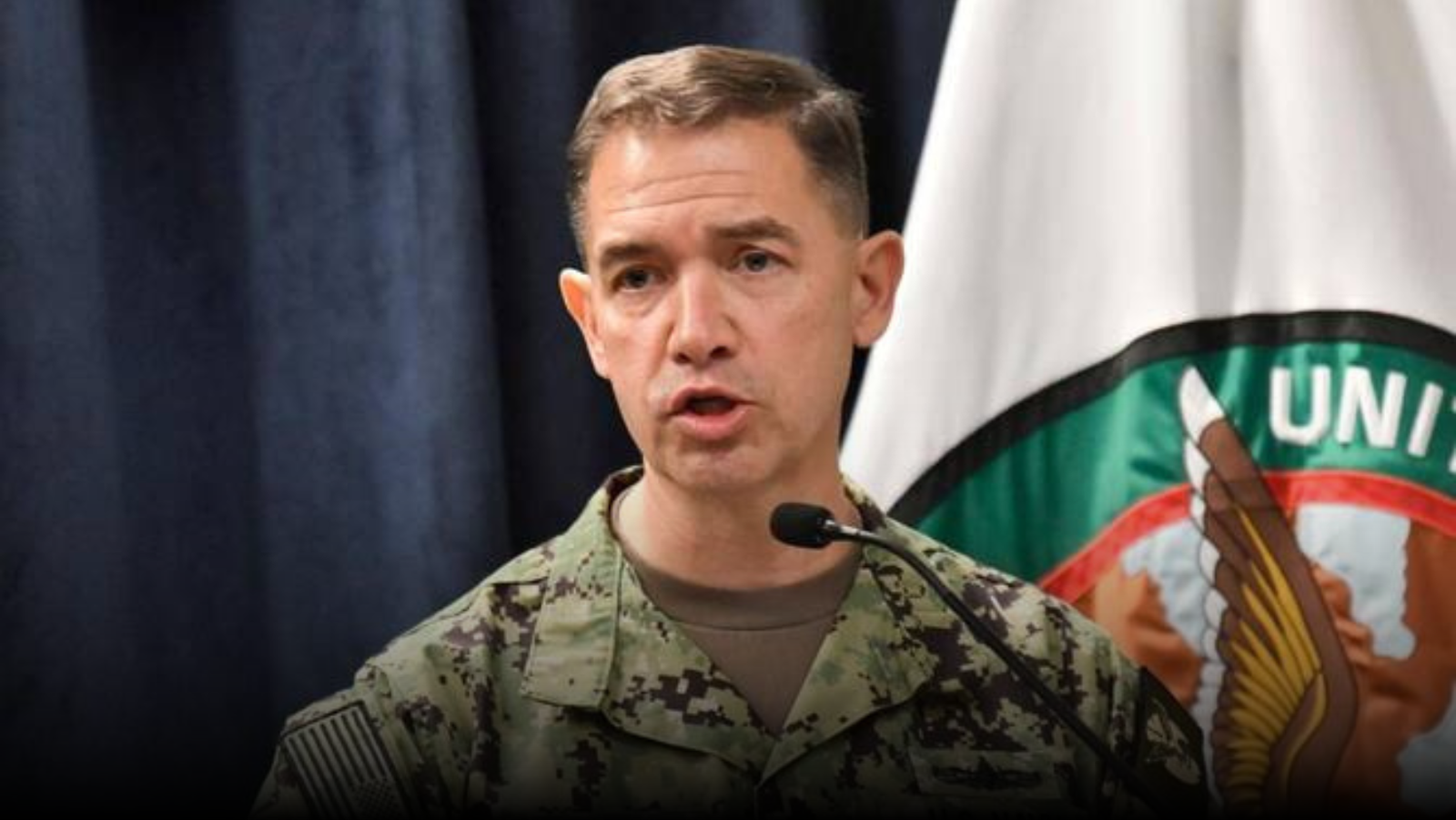
The United States Central Command has delivered a firm declaration that CENTCOM warns Iran attacks on civilians will face action, following a series of aggressive strikes by Iranian forces across the Middle East. Admiral Brad Cooper, the commander of US Central Command, stated on Friday that Iran’s deliberate targeting of civilian areas will not go unanswered and that the United States and its allies are prepared to respond decisively.
Admiral Cooper’s announcement comes amid a growing cycle of violence that began after coordinated military actions by the United States and Israel against Iranian targets. According to the CENTCOM commander, Iran has now struck at least twelve different countries in retaliation, including launching a number of attack drones at civilian neighborhoods.
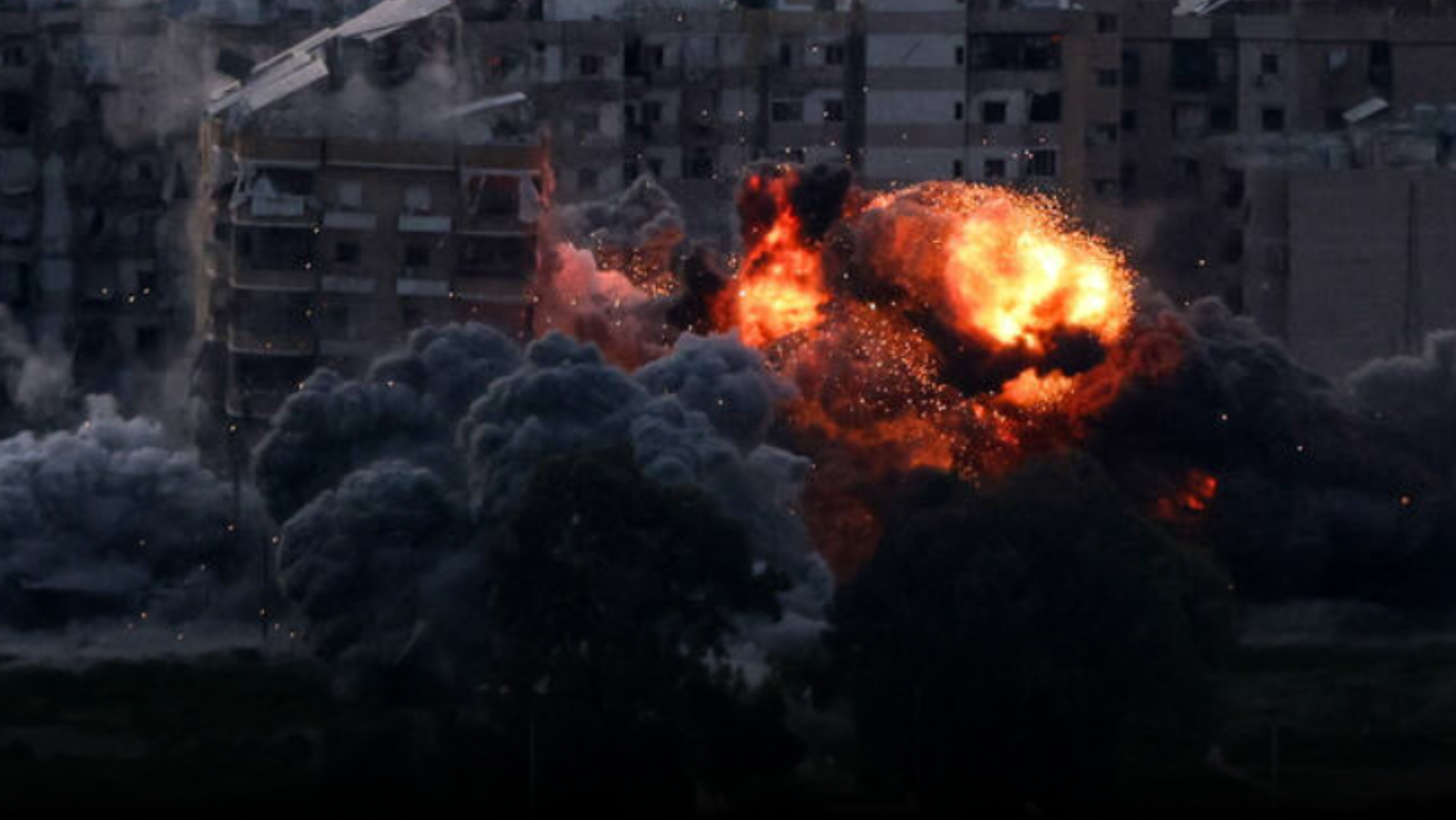
Most recently, Iranian forces fired seven attack drones at residential neighborhoods in Bahrain, striking civilian infrastructure and causing widespread alarm late Thursday night. Bahraini authorities confirmed that residential buildings and a hotel were impacted, though early reports indicated no confirmed fatalities amid emergency evacuations.
“This type of assault on innocent civilians is unacceptable,” Admiral Cooper said in his statement, reinforcing that CENTCOM warns Iran attacks on civilians will face action backed by strategic defense and diplomatic pressure. By publicly emphasizing the protection of non‑combatants, the United States is signaling both readiness and restraint, aiming to prevent further escalation while safeguarding civilian lives.
Security analysts say that Iran’s shift toward targeting civilian regions represents a significant escalation in the broader conflict. Traditionally focused on military objectives, the use of drones, missiles, and other long‑range weapons against inhabited areas raises alarm among regional governments and international observers. “Iran’s recent actions go beyond military engagement and risk drawing widespread condemnation,” said a Middle East security expert.
In addition to Bahrain, Kuwaiti and Emirati defense systems have detected and intercepted hundreds of missiles and drones launched from Iranian territory. According to Gulf defense sources, the number of intercepted threats continues to rise as air defense forces work around the clock to protect key cities and civilian infrastructure.
CENTCOM confirmed that additional assets have been deployed throughout the Gulf region to strengthen deterrence and rapid reaction capabilities. These include enhanced monitoring, missile defense systems, and increased coordination with partner nations to prevent further strikes on civilian populations. The United States is also engaging diplomatic channels to urge de‑escalation and uphold international humanitarian norms.
Analysts warn that repeated civilian attacks could deepen regional instability and complicate efforts to contain the conflict. Gulf Cooperation Council (GCC) states have expressed deep concern about the potential for broader hostilities and have condemned Iranian aggression as unlawful under international law. Their military leadership continues to work closely with U.S. counterparts to reinforce defense readiness.
The renewed emphasis by CENTCOM on civilian protection comes at a critical time, as humanitarian and military pressures mount across the Middle East. By reiterating that CENTCOM warns Iran attacks on civilians will face action, U.S. military leadership aims to deter further violence and emphasize that attacks on non‑combatants cross boundaries recognized by international norms and strategic alliances.
In summary, the United States has made clear that it will not tolerate attacks on civilian populations. CENTCOM’s recent warning stresses that CENTCOM warns Iran attacks on civilians will face action, underscoring a commitment to defend innocent lives and to maintain security and stability in an increasingly volatile region.