
Bosnian Truckers Block EU Freight Terminals Over Visa Rules Protest
Bosnian Truckers Block EU Freight Terminals Over Visa Rules and Entry Exit System Dispute
Truck drivers in Bosnia have launched protests by blocking key freight terminals along the border with Croatia, expressing strong opposition to new visa-related regulations affecting their work within the European Union. The demonstration, which took place on March 23, 2026, reflects growing frustration among transport workers who say recent policy changes have made cross-border operations increasingly difficult. The protest highlights ongoing concerns about mobility restrictions and administrative challenges faced by drivers who depend on uninterrupted access to EU markets.
The protest centers around new rules tied to the European Union’s Entry/Exit System, a border control mechanism designed to monitor the movement of non-EU nationals. While the system aims to improve security and manage travel records, truck drivers from Balkan countries argue that it fails to consider the nature of their profession. Unlike tourists, drivers regularly cross borders for work purposes, making strict time limitations impractical for their daily operations.
New EU Entry Exit System Creates Challenges for Balkan Drivers
The introduction of the Entry/Exit System has brought stricter monitoring procedures at EU borders, particularly for drivers entering from non-member countries. Under current regulations, individuals are limited to staying within the EU for 90 days within a 180-day period. For truck drivers, this restriction has become a major obstacle, as their work often requires extended periods of travel across multiple EU countries.
Drivers argue that applying tourist-style visa rules to professional transport workers is unfair and disrupts supply chains. Many have reported being stopped or turned back at border crossings due to exceeding permitted stay limits, even though they were actively engaged in work-related activities. This has created delays, increased operational costs, and uncertainty for transport companies that rely on timely deliveries.
Freight Terminal Blockades at Key Border Crossings
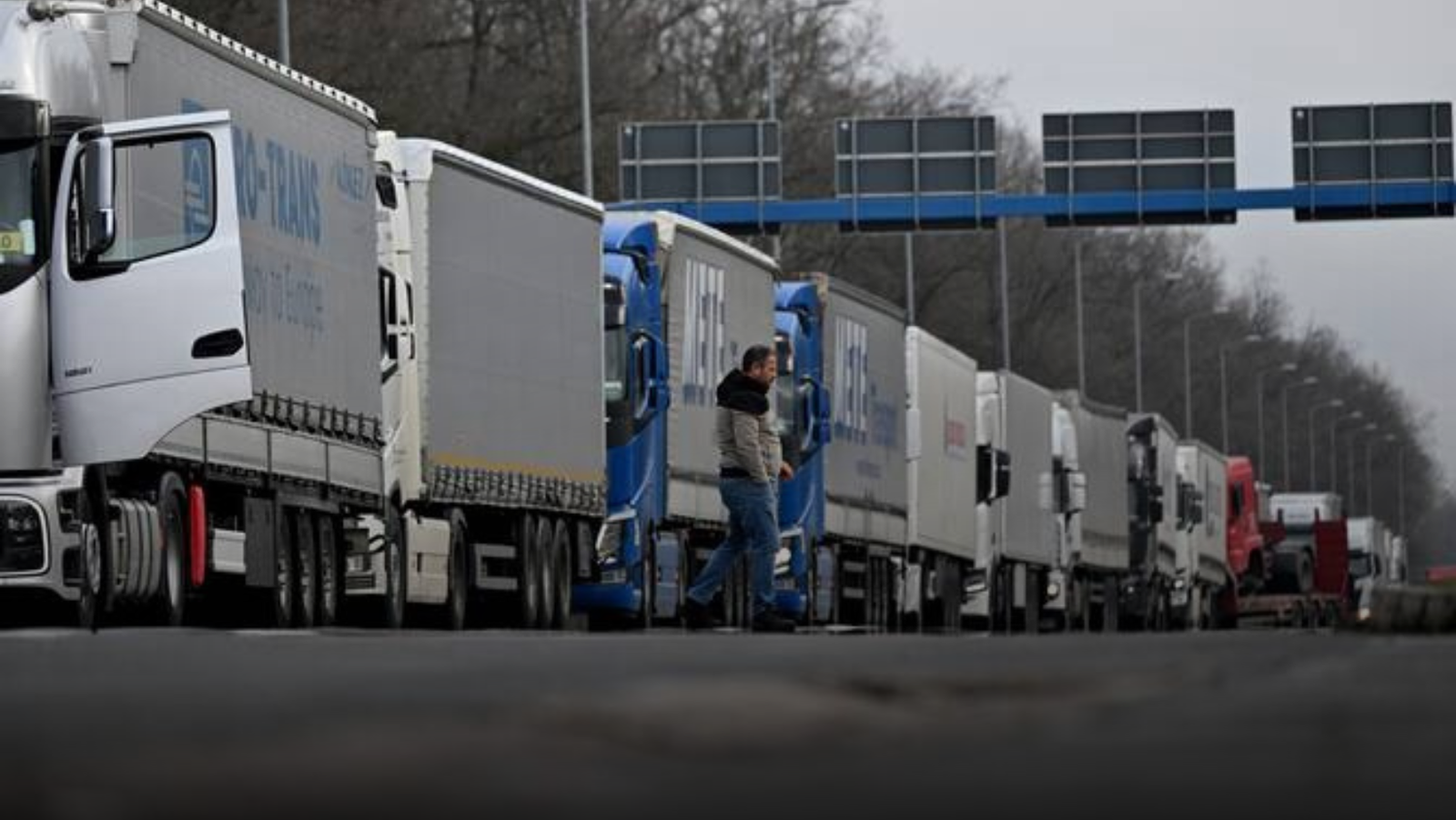
As part of their protest, Bosnian truck drivers blocked major freight terminals along the border with Croatia, significantly disrupting the flow of goods. The blockades were organized at strategic points where a large volume of commercial traffic typically passes, amplifying the impact of the demonstration. The action drew attention to the challenges faced by the transport sector and underscored the urgency of finding a solution.
While some crossings were successfully blocked, authorities intervened at other locations to prevent further disruption. Law enforcement officials monitored the situation closely, aiming to maintain order while allowing protesters to voice their concerns. Despite these interventions, the demonstrations sent a strong message about the growing dissatisfaction within the trucking community.
Economic Impact on Balkan Trade and Supply Chains
The protest has raised concerns about its potential impact on regional trade and economic stability. The European Union is the primary trading partner for Balkan countries, accounting for a significant portion of exports and imports. A large percentage of goods transported between these regions relies on road networks, making truck drivers essential to maintaining the flow of commerce.
Disruptions at border crossings can quickly affect supply chains, leading to delays in deliveries and increased costs for businesses. Industry representatives have warned that prolonged blockades or continued restrictions could result in significant financial losses. Transport delays not only impact exporters but also affect consumers and industries that depend on timely shipments of goods.
Previous Protests and Ongoing Negotiations
The current demonstrations are not the first instance of protest by Balkan truck drivers. Earlier in the year, drivers from multiple countries staged similar blockades to express their concerns about the Entry/Exit System. Those protests were temporarily halted following announcements of discussions between regional representatives and EU officials.
However, drivers claim that these talks have yet to produce concrete results, leading to renewed frustration. Many transport workers feel that their concerns have not been adequately addressed, prompting them to take further action. The lack of progress in negotiations has intensified calls for immediate solutions that take into account the specific needs of the transport sector.
Calls for Policy Adjustments and Fair Treatment
Truck drivers and industry representatives are urging authorities to reconsider the current rules and introduce policies that reflect the realities of cross-border transport work. They argue that professional drivers should not be subject to the same limitations as short-term visitors, given their essential role in maintaining trade and economic activity.
Proposed solutions include exemptions or adjusted regulations for transport workers, allowing them to operate without facing unnecessary restrictions. Drivers believe that such changes would not only benefit their profession but also support broader economic stability by ensuring the smooth movement of goods across borders.
Regional Dependence on Road Transport and Trade Flow
Road transport plays a critical role in the economies of Balkan countries, with a large majority of trade carried by trucks. The reliance on road networks means that any disruption at border crossings can have immediate and widespread effects. Efficient transport systems are essential for maintaining competitiveness in international markets and supporting economic growth.
The ongoing protest highlights the vulnerability of supply chains to regulatory changes and emphasizes the need for balanced policies that support both security and economic activity. As trade volumes continue to grow, ensuring smooth and efficient transport operations remains a key priority for the region.
Future Outlook and Potential Developments
The situation remains uncertain as authorities and industry representatives continue to search for a resolution. If no agreement is reached, further protests and disruptions may occur, potentially affecting trade flows and economic stability. The upcoming full implementation of the Entry/Exit System adds urgency to the need for a solution that addresses the concerns of truck drivers.
Observers suggest that constructive dialogue and cooperation between EU authorities and Balkan representatives will be essential in resolving the issue. Finding a balanced approach that maintains border security while supporting economic activity will be key to preventing future conflicts and ensuring long-term stability.
Conclusion: Growing Pressure for a Practical Solution
The blockade of EU freight terminals by Bosnian truck drivers reflects broader concerns about the impact of visa rules on cross-border transport operations. While the Entry/Exit System aims to improve border management, its implementation has created significant challenges for drivers who rely on frequent travel within the EU.
The protest serves as a clear signal that current policies may need adjustment to accommodate the realities of international trade and logistics. As discussions continue, the focus will remain on finding solutions that balance security, economic efficiency, and fairness for transport workers. The outcome of these efforts will play a crucial role in shaping the future of trade and mobility in the region.