

NSA Whistleblower Trump Intelligence Raises Concerns Over Foreign Call Handling
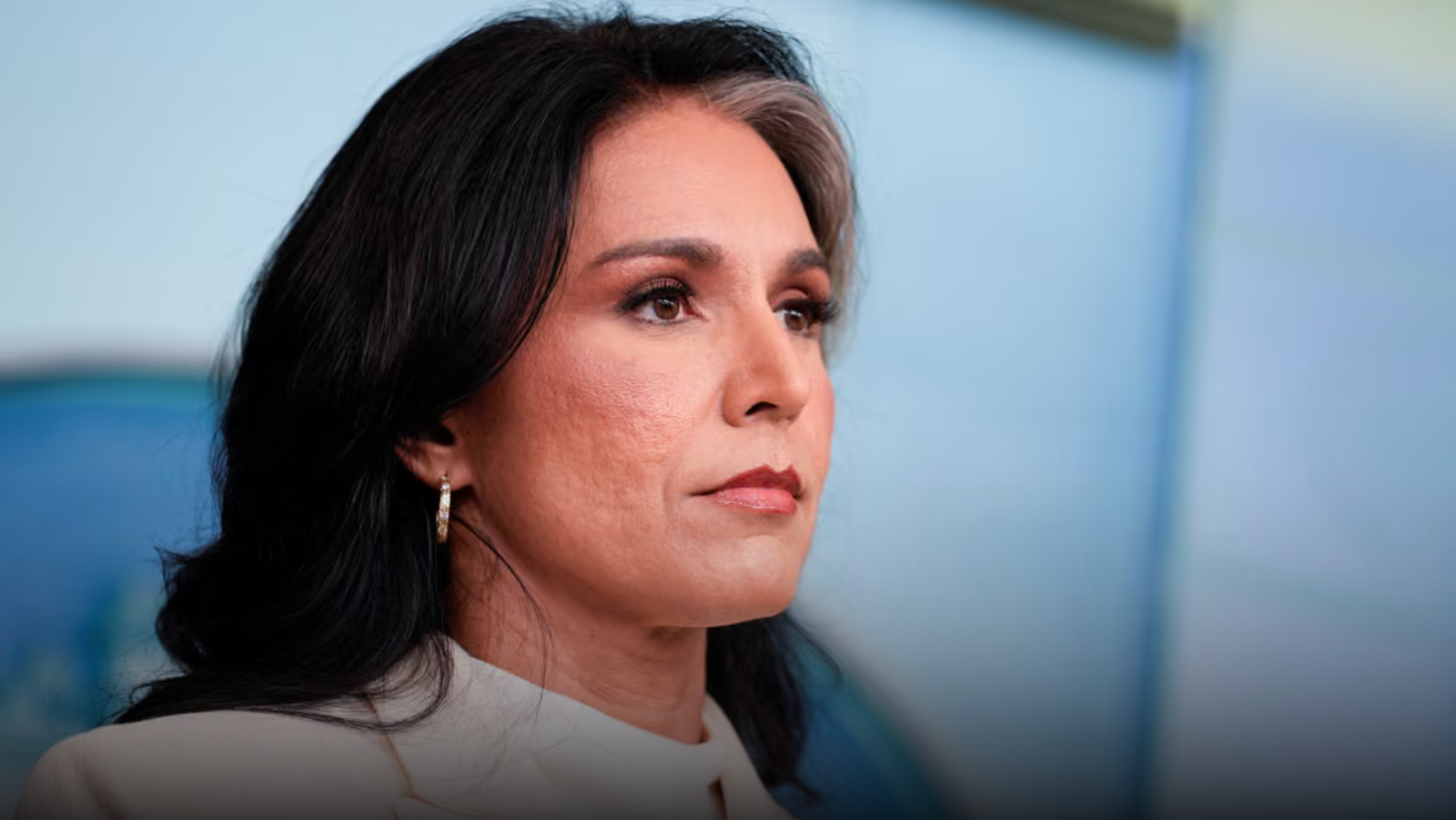
The handling of a highly classified intelligence matter has sparked controversy after a whistleblower revealed that the National Security Agency (NSA) intercepted a foreign intelligence call involving a person connected to former President Donald Trump. Sources indicate that the intelligence was restricted and not distributed through standard channels, raising questions about oversight, transparency, and procedural integrity.
Interception of Foreign Communications
According to whistleblower reports, the NSA detected a conversation between two foreign intelligence operatives that mentioned an individual closely associated with Donald Trump. While the call did not directly involve any U.S. official, the sensitivity of the material led to extraordinary measures in its handling. Officials described the intercepted call as routine foreign intelligence collection, but the subsequent management of the report has fueled debate over whether proper protocols were followed.
The call, flagged in spring 2025, was later elevated to the Office of the Director of National Intelligence (ODNI) for review. Whistleblower documents suggest that instead of being disseminated according to established intelligence channels, the report was personally managed by Tulsi Gabbard, the director at the time, who ensured that the information remained highly restricted.
Whistleblower Complaint and Oversight Concerns
The whistleblower, represented by legal counsel, filed a formal complaint asserting that the intelligence had been withheld from congressional oversight committees. According to the complaint, the decision to restrict the report deviated from standard NSA procedures, which are designed to ensure accountability and timely sharing of relevant information with legislative oversight bodies.
Officials familiar with the matter indicated that the whistleblower was motivated by concerns over transparency and adherence to protocol. By bypassing routine dissemination, the intelligence may have prevented lawmakers from fully understanding potential foreign influence operations affecting U.S. political figures.
Role of the Office of the Director of National Intelligence
Clarifications provided by the whistleblower’s attorney noted that the intelligence involved a person linked to Trump but not a government official. Nonetheless, the sensitive nature of the conversation prompted extraordinary measures in its handling. Gabbard allegedly instructed that a physical copy of the report be personally delivered to the White House chief of staff, rather than being shared through standard digital channels.
This decision drew scrutiny from intelligence experts who questioned whether proper separation between intelligence operations and political influence was maintained. “Intelligence should be handled without political considerations,” one source commented. “Any deviation from standard procedures raises red flags about accountability and oversight.”
Congressional Reactions and Briefings
Despite the controversy, members of senior congressional leadership eventually received a redacted briefing on the issue. Lawmakers expressed concern over delays in access and the potential precedent such handling could set for future intelligence reports. Discussions highlighted the delicate balance between protecting classified information and ensuring elected representatives are informed about potential foreign threats.
Some congressional observers noted that while no law was broken, the case illustrated vulnerabilities in the intelligence dissemination system. “The situation underscores the importance of transparent oversight,” a committee staffer said. “Even when actions are technically lawful, circumventing standard procedures can erode trust in our institutions.”
Intelligence Community Perspectives
Senior officials in the NSA and ODNI have rejected allegations that the restricted handling of the report was improper. They emphasized that all actions taken were within statutory authority and followed internal protocols. The inspector general conducted a preliminary review and dismissed the complaint, citing insufficient evidence to confirm a violation.
Nevertheless, the whistleblower and legal representatives contend that the case highlights systemic weaknesses in the reporting and oversight mechanisms. They argue that the issue is not merely procedural but touches on broader questions of how sensitive intelligence is managed when it involves individuals tied to politically prominent figures.
International Implications and Security Concerns
Analysts also pointed to potential risks associated with delaying intelligence sharing. Foreign intelligence operations are highly dynamic, and restricting critical information can limit the U.S. government’s ability to respond effectively. Experts emphasized that timely access to intelligence is crucial for countering misinformation campaigns and preventing manipulation by foreign actors.
The intercepted call, while indirect, exemplifies the challenges of balancing security, political sensitivities, and operational integrity. Experts in national security law have argued that ensuring proper dissemination is essential to maintain the credibility of U.S. intelligence agencies, especially during politically sensitive periods.
Transparency and Whistleblower Protections
This case has reignited debates about protections for whistleblowers within the intelligence community. Advocates note that safeguarding individuals who raise concerns about procedural deviations is essential to maintaining public trust. Without robust protections, potential violations could go unreported, increasing the risk of operational errors or political interference.
The whistleblower’s actions have prompted calls for review of internal procedures, including how intelligence involving politically connected individuals is handled. Suggestions include greater transparency with oversight committees, stricter adherence to established protocols, and enhanced legal safeguards to prevent potential misuse of intelligence for political purposes.
Future Oversight and Policy Adjustments
The controversy surrounding the NSA whistleblower Trump intelligence case may drive policy adjustments within the intelligence community. Analysts suggest that agencies may consider new mechanisms for auditing restricted reports, ensuring that key stakeholders, including congressional oversight committees, are promptly informed.
Intelligence officials and lawmakers alike agree that maintaining the integrity of operations while ensuring proper oversight is essential to national security. Any perceived compromise, whether procedural or political, risks undermining public confidence in the agencies responsible for safeguarding the country.
Broader Political Repercussions
While the intercepted call itself did not involve direct U.S. government personnel, the case has reignited discussions about political influence and the handling of sensitive intelligence. Political commentators note that the intersection of intelligence operations and high-profile political figures is inherently fraught with risk, emphasizing the need for clear boundaries and accountability.
Observers caution that similar incidents could occur in the future if protocols are not strictly enforced, potentially affecting public perception of both intelligence and political institutions. Maintaining strict adherence to reporting standards and safeguarding whistleblower rights remain key priorities for national security oversight.
Explore our latest articles and updates on these critical topics by visiting our website.