

Machu Picchu Train Collision Claims One Life, Dozens Injured
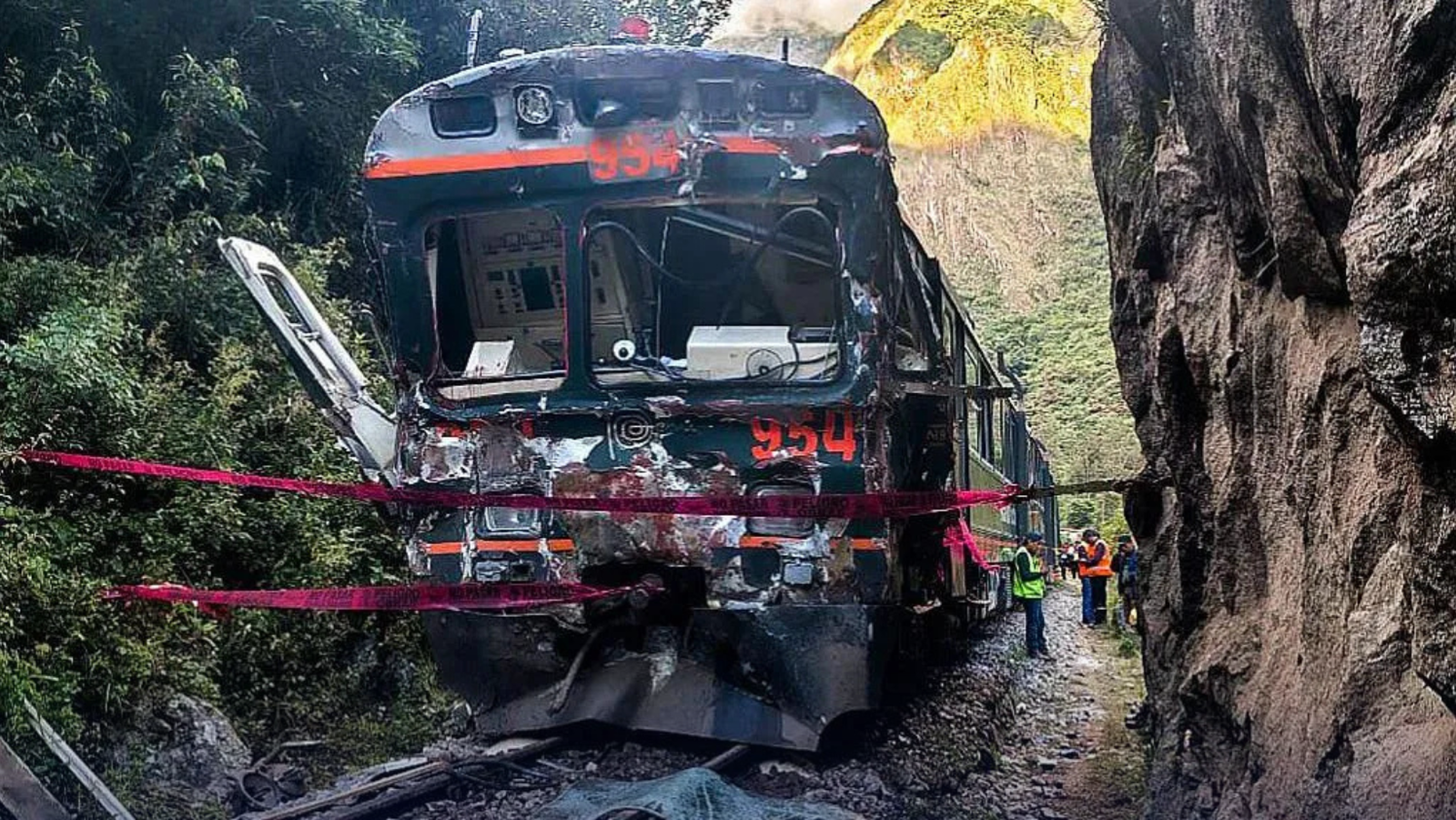
A deadly train collision near Peru’s world-famous Machu Picchu site has left one person dead and at least 40 others injured, according to local authorities.
The accident occurred on Tuesday when two trains traveling on a single-track railway crashed head-on while heading toward the historic Inca destination. The deceased was identified as a train driver, while passengers and crew members sustained varying degrees of injuries.
Emergency services responded swiftly, with around 20 ambulances dispatched to the remote crash site. Injured individuals were transported to hospitals and medical centers in the nearby city of Cusco for treatment.
Officials confirmed that foreign nationals were among those hurt in the incident, though identities have not yet been officially released. Due to the rugged mountainous terrain, evacuation efforts have been challenging, leaving hundreds of tourists temporarily stranded near the scene.
Health authorities reported that at least 20 of the injured are in serious condition and continue to receive medical care.
The collision took place on the railway line connecting Ollantaytambo Station and Aguas Calientes, the gateway town to Machu Picchu. This route is one of the primary access points for visitors and typically takes about 90 minutes to complete.
The two trains involved were operated by separate companies that manage passenger transport to the archaeological site. One operator expressed regret over the incident, stating that staff provided immediate emergency assistance to passengers and crew following the crash.
The cause of the collision remains under investigation, and authorities have not yet released further details.
The incident comes amid ongoing tensions surrounding transportation services to Machu Picchu. Local communities have raised concerns over access rights, bidding processes, and the high cost of travel to the area, which is considered one of the country’s most profitable tourism routes.
Machu Picchu, built in the 15th century in the Andes Mountains, is recognized globally as one of the Seven Modern Wonders of the World. Access to the site is tightly regulated to protect its historical and environmental integrity, with daily visitor limits in place to address concerns over overcrowding.
Despite these measures, tourism pressure remains high, highlighting the importance of safety and infrastructure management in one of Peru’s most visited destinations.