Iran’s Supreme Leader Faces Rising Pressure as Public Defiance and Crises Deepen
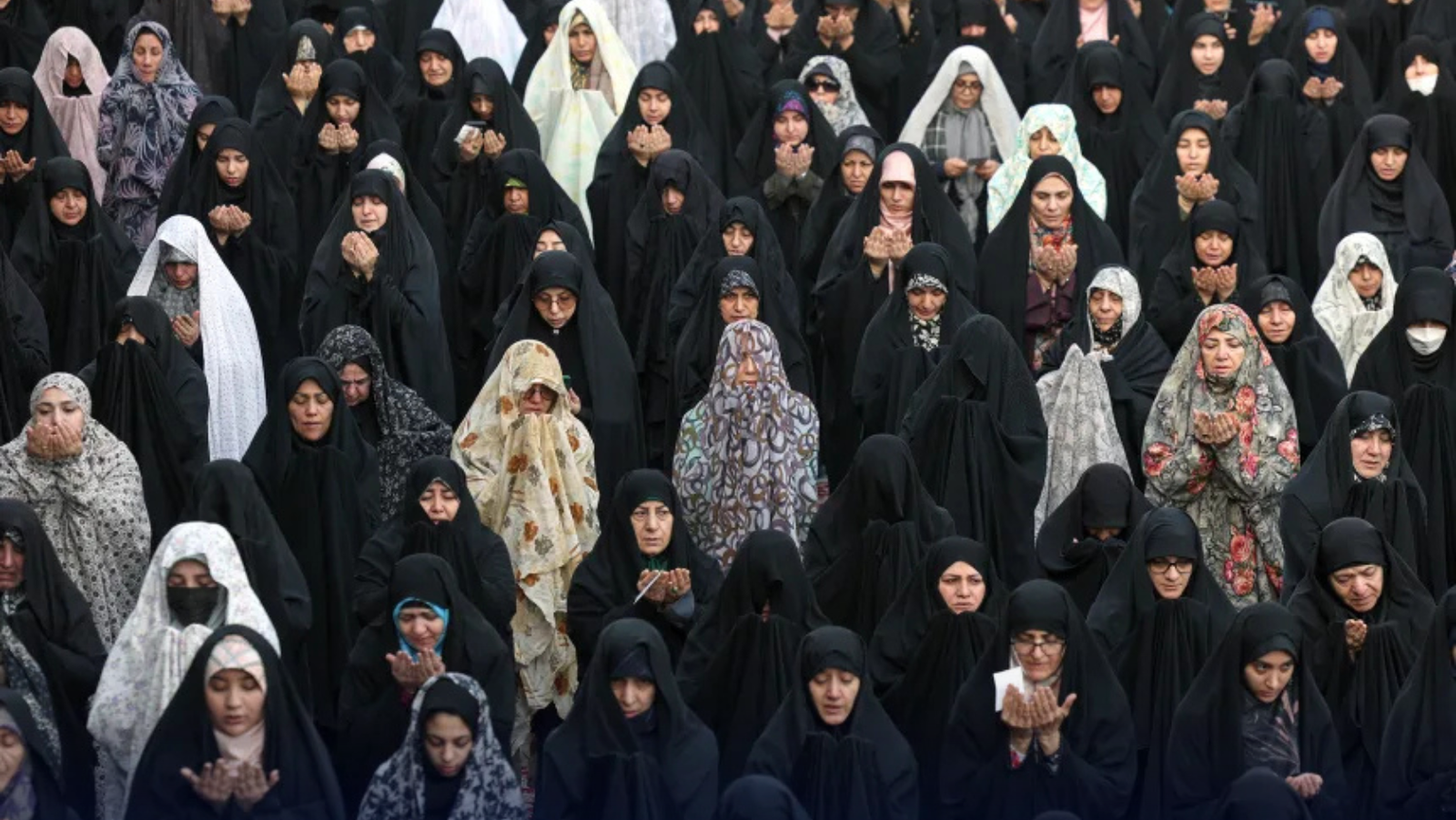
Signs of growing public defiance are increasingly visible across Iran as economic hardship, environmental strain, and social unrest place mounting pressure on the country’s leadership.
In early December, hundreds of women participated in a marathon on Iran’s resort island of Kish, wearing athletic outfits with uncovered hair. Despite official dress requirements, participants ran without headscarves, quietly ignoring government guidelines. Organizers had included scarves in race kits, anticipating violations.
In another widely shared moment, a street performance in Tehran saw a crowd enthusiastically reacting to a rock music riff, an unusual scene in a country known for strict cultural controls. The clip spread rapidly online, symbolizing a broader shift in public behavior.
Economic tensions have also triggered street protests. In recent weeks, shopkeepers and market traders demonstrated in several cities, voicing frustration over rising rents and the collapse of the national currency. The unrest marked the most significant protests since the nationwide demonstrations that followed the death of a young woman in police custody in 2022.
Although current protests remain limited in scale, they reflect a deeper pattern of civil resistance. Many citizens appear to be reclaiming public spaces and personal freedoms through spontaneous, uncoordinated acts rather than organized movements.
At the center of these challenges is Iran’s 86-year-old Supreme Leader, who now faces shrinking options. The country is grappling with record inflation, water shortages, electricity outages, and a rapidly devaluing currency. Youth defiance of long-standing social restrictions has become increasingly visible, while frustration grows over economic mismanagement.
Externally, Iran continues to face pressure from regional rivals and the risk of further international confrontation. Following a brief but intense conflict earlier this year, the country emerged with weakened military capabilities and damage to strategic infrastructure, further eroding public confidence.
Observers note that decision-making at the highest levels has slowed considerably. Rather than pursuing bold policy shifts, leadership appears focused on avoiding actions that could worsen instability. This cautious approach reflects the high risks associated with any major move amid overlapping crises.
Environmental conditions have worsened public frustration. Severe drought has affected large parts of the country, placing strain on water supplies. Officials have openly discussed drastic measures to reduce pressure on major cities. At the same time, power shortages have led to the use of lower-quality fuel, worsening air pollution in urban areas.
Economically, inflation has surged as years of heavy money printing continue to weaken the currency. The scale of devaluation has become so extreme that state budgets now run into extraordinarily high figures, underscoring the depth of the financial crisis.