Iran’s Leadership Faces Its Sternest Test in More Than Four Decades
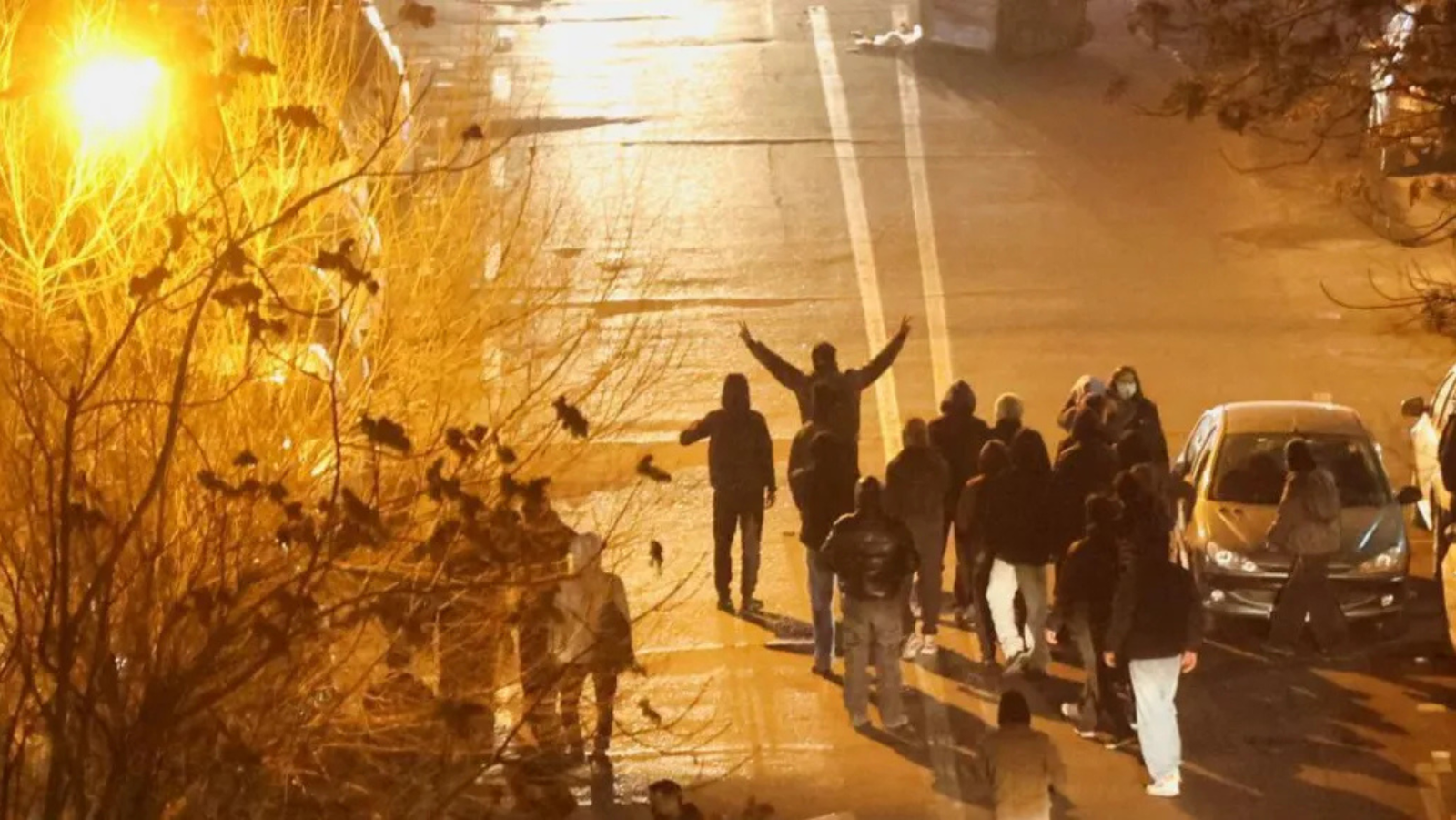
Iran’s ruling establishment is confronting its most serious challenge since the 1979 revolution, as widespread unrest and a sweeping security crackdown place extraordinary strain on the country’s political system.
In recent days, authorities have imposed an almost complete communications blackout while deploying security forces on an unprecedented scale. Streets that once reverberated with chants demanding change are now marked by silence, fear, and heavy patrols.
Residents in Tehran describe a dramatic shift in the atmosphere. “One night the crowds were massive. The next, everything went quiet,” said a local journalist. “People are afraid to step outside.”
A Crisis on Two Fronts
The internal turmoil is unfolding against a backdrop of rising international pressure. Repeated warnings of possible military action from Washington follow last year’s brief but destabilising conflict between Iran and Israel — a confrontation that weakened Tehran’s regional standing and exposed new vulnerabilities.
Although officials signal readiness to resume negotiations, analysts say the leadership faces stark choices. Core demands from the United States, including an end to nuclear enrichment, cut to the heart of Iran’s strategic doctrine — leaving little room for compromise.
For now, there is no sign that the country’s leaders intend to alter course.
“The instinct of the system is survival,” said one regional analyst. “Contain the unrest first, then worry about the future later. But even if these protests are suppressed, the underlying crises remain.”
Mounting Human Cost
Despite a strict information blackout, accounts continue to emerge through satellite links and encrypted channels. Doctors speak of overcrowded hospitals and shortages of supplies. Videos circulating online show makeshift morgues and long rows of body bags.
Human rights organisations report that the death toll is already surpassing the last major wave of unrest in 2022–23. This time, within weeks, fatalities are believed to number far higher, with tens of thousands reportedly detained.
State media has acknowledged casualties, even airing footage of temporary mortuaries, while blaming unrest on “saboteurs” and “foreign-backed agitators.” Legal rhetoric has hardened, with some detainees accused of crimes that carry the death penalty.
From Economic Anger to Political Revolt
The spark for this uprising was not ideological — it was economic.
In late December, a sharp currency collapse forced traders in Tehran’s main bazaars to shut their shops and call for strikes. The government responded swiftly, promising dialogue and issuing a modest cash allowance to ease soaring living costs.
But inflation near 50 percent and relentless price rises soon erased any relief.
Within weeks, protests spread nationwide — from small provincial towns to major cities — as grievances over daily hardship merged with demands for political change.
A System Under Severe Strain
Years of sanctions, corruption, mismanagement, and restrictions on personal freedoms have eroded public trust. Yet analysts say the state remains intact — for now.
“The decisive factor has always been the loyalty of the security forces,” said a senior political observer. “Until that changes, the system survives.”
Ultimate authority still rests with Supreme Leader Ayatollah Ali Khamenei, supported by the powerful Revolutionary Guards, who dominate much of Iran’s political and economic life. While divisions persist within the elite, survival of the system has become the overriding priority.
The Question of Outside Intervention
Calls for foreign involvement are growing louder among segments of the Iranian opposition abroad. Some argue international action could tilt the balance in favour of protesters. Others warn that it could backfire — strengthening hardliners by rallying elites against an external threat.
“The immediate effect of outside military pressure would likely be elite unity, not fragmentation,” said a regional security expert. “It could delay change rather than accelerate it.”
Inside Iran, prominent figures continue to insist that any transformation must remain peaceful — and must come from within.
A Moment That Will Shape the Future
As unrest continues under the shadow of force, Iranians face a grim reality: reform appears distant, revolution appears dangerous, and inaction grows costlier by the day.
History shows that moments like these are unpredictable. When public anger collides with entrenched power, outcomes can reshape nations — sometimes from above, sometimes from below. They are almost always perilous.
For Iran, the coming weeks may determine not only the fate of this protest movement, but the direction of the country for a generation to come.