

Global Labor Market Conference Agreements Generate Thousands of Jobs in Saudi Arabia
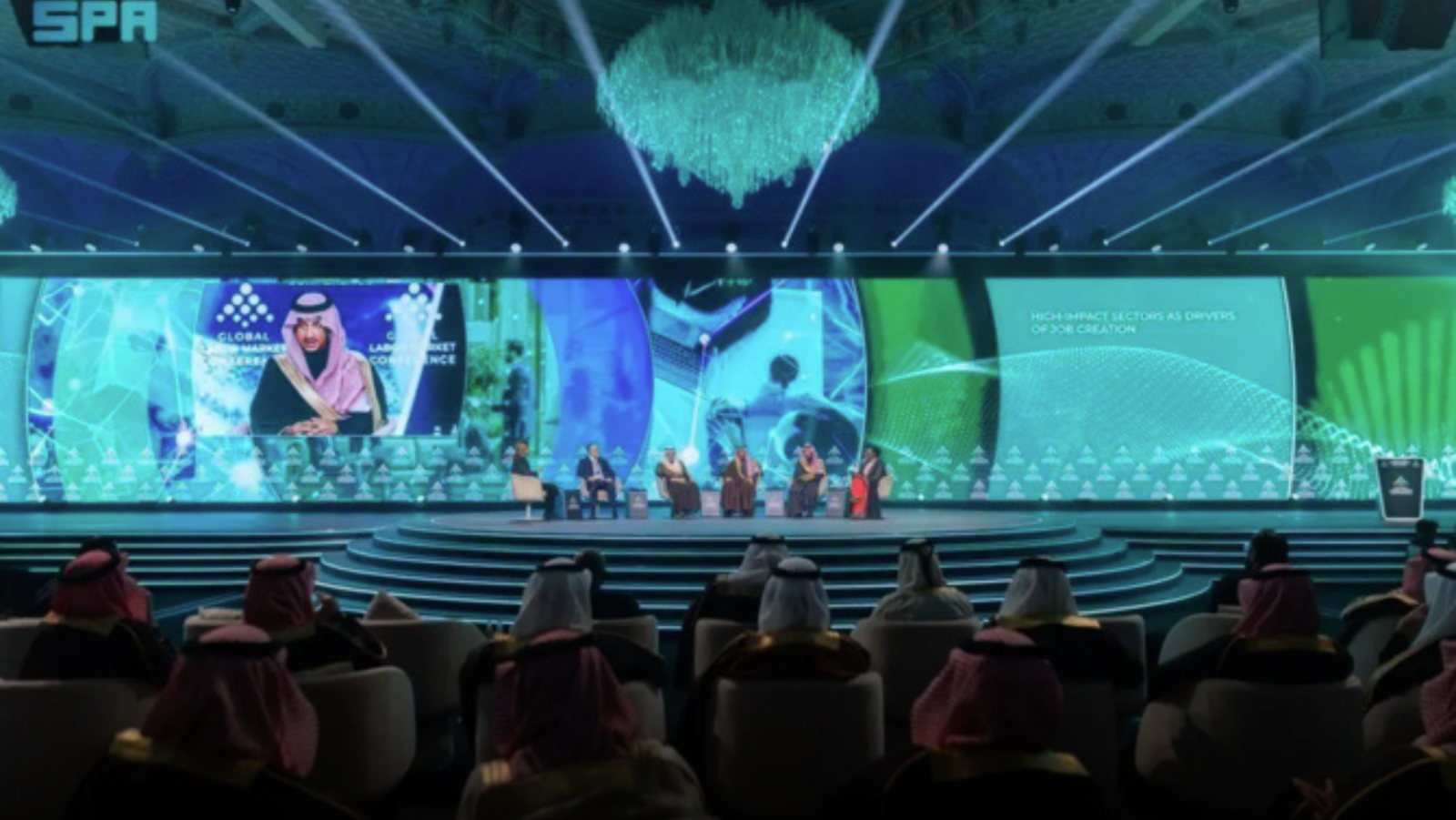
More than 45 agreements signed on the opening day of the Global Labor Market Conference in Riyadh are expected to generate thousands of training and employment opportunities across Saudi Arabia, officials said.
The agreements were concluded between a wide range of public and private sector organizations, with a focus on modern work models, skills development, digital transformation, and aligning workforce needs with fast-growing economic sectors.
Several partnerships aim to expand flexible and digital employment options through collaboration between the Ministry of Human Resources and Social Development and online employment platforms. Other agreements target national capacity building by strengthening professional skills to meet evolving labor market demands.
A number of deals also emphasize the integration of advanced technologies and artificial intelligence into labor systems. These initiatives are designed to support smart employment solutions, enhance training efficiency, and prepare workers for future job requirements.
Sector-specific cooperation was expanded through agreements with government entities involved in sports, entertainment, tourism, and industry. These partnerships are intended to link training programs more directly with employment opportunities in high-growth sectors of the economy.
Institutional cooperation and knowledge exchange were also highlighted, with agreements aimed at improving operational excellence and supporting the development of sustainable labor market systems.
The conference brought together more than 40 labor ministers and senior officials from around the world, along with industry leaders and academics. A high-level ministerial roundtable resulted in agreement on several priority actions to address global labor challenges.
Discussions focused on job creation, workforce resilience, and the role of public policy and private sector collaboration in shaping future labor markets. Ministers highlighted the importance of lifelong learning, upskilling, and reskilling to adapt to rapid economic and technological changes.
The event also featured sessions on global trade shifts, emerging skills ecosystems, and the impact of artificial intelligence on job quality and workforce structures. Side events included the launch of international labor research initiatives and the marking of key workforce development milestones.
Organized in Riyadh, the two-day conference aims to promote inclusive growth, improve job quality, and strengthen labor market systems in response to global economic transformation.