Gaza Ceasefire Second Phase Urged by US Envoys

Top US envoys met Israeli Prime Minister Benjamin Netanyahu on Saturday, urging his government to advance into the Gaza ceasefire second phase. The discussions included President Donald Trump’s envoy Steve Witkoff and Jared Kushner, Trump’s Middle East adviser and son-in-law.
The US aims to maintain momentum on the Trump-brokered deal, though Netanyahu faces pressure to wait until Hamas returns the remains of the last hostage in Gaza.
The key signal of the second phase would be the reopening of the Rafah border crossing between Gaza and Egypt, which is currently under Israeli military control.
Ali Shaath, head of a future technocratic government in Gaza expected to oversee daily affairs, said the crossing may open in both directions this week. Israel has not confirmed a date but is expected to discuss the matter during Sunday’s Cabinet meeting.
The family of Ran Gvili, whose body remains in Gaza, called for increased pressure on Hamas. “Hamas is deceiving the international community and refusing to return our son, the last remaining hostage,” they said, stressing that this violates the agreement signed under the ceasefire. Hamas has stated it provided all information it holds on Gvili’s remains to mediators while accusing Israel of obstructing searches in Gaza-controlled areas.
Egypt Pushes for Rafah Crossing Reopening
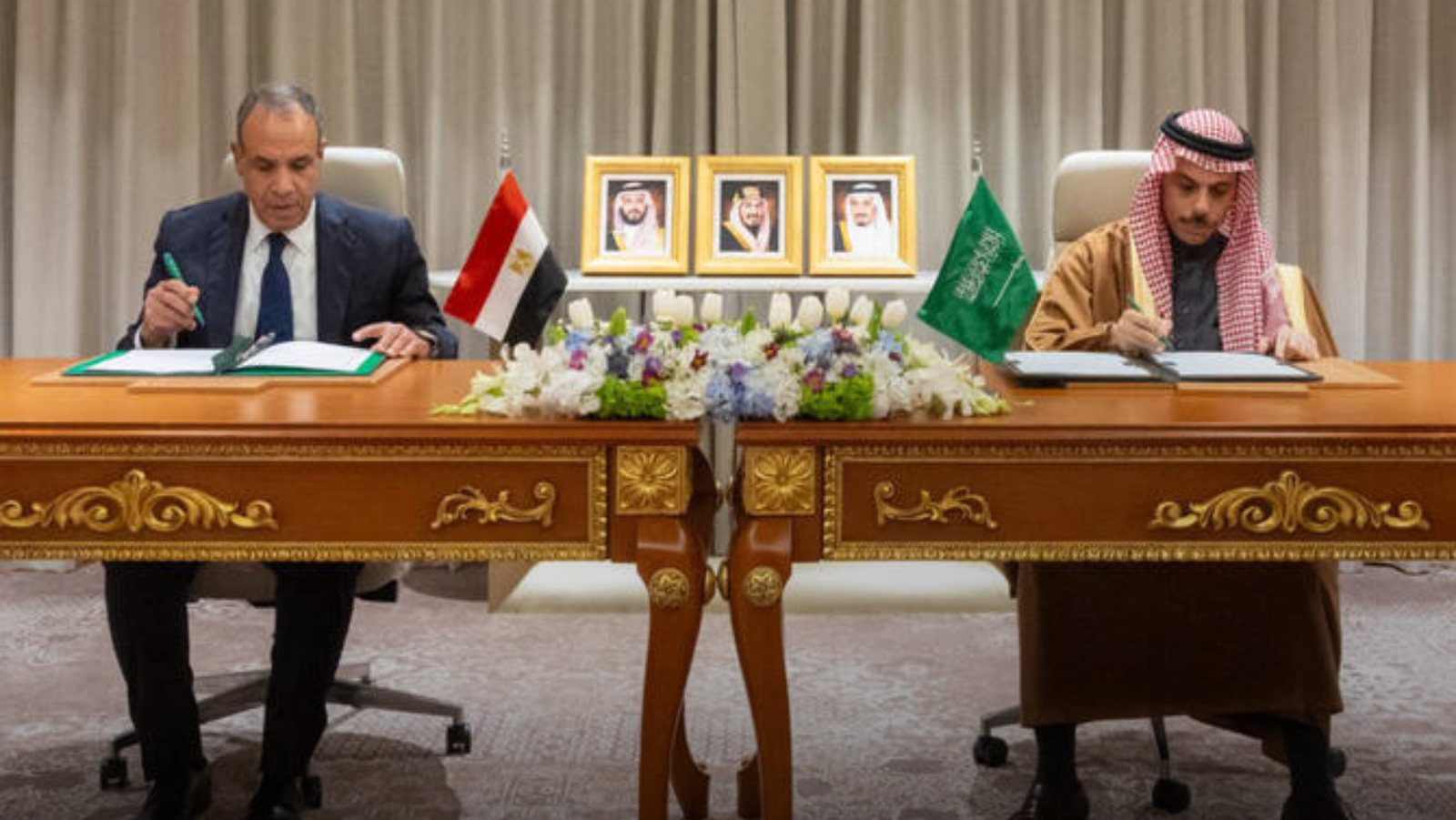
Egypt’s Foreign Minister Bader Abdelatty spoke with Bulgarian diplomat Nickolay Mladenov, the high representative for Gaza, urging the immediate opening of the Rafah border crossing. Discussions included deploying an international monitoring force and the withdrawal of Israeli troops from Gaza. Abdelatty called the second phase of the ceasefire a “key entry point” for Gaza’s reconstruction.
Violence Continues Despite Ceasefire
Despite the ceasefire, two Palestinian teens, aged 13 and 15, were killed on Saturday while collecting firewood near the Yellow Line in eastern Gaza. Israeli forces said they targeted militants planting explosives, denying the children were deliberate targets.
The lack of electricity and scarce fuel in Gaza forces many residents to approach dangerous areas to gather wood and other materials for cooking and warmth. Hundreds of thousands are living in war-damaged buildings and temporary shelters as temperatures drop below 10°C (50°F) at night.
According to Gaza’s Health Ministry, at least nine children have died from cold conditions since the ceasefire, while over 480 Palestinians have been killed by Israeli fire since the ceasefire began. Israel disputes these figures but has not released its own data.
Outlook for Gaza Ceasefire Second Phase
The next phase is expected to focus on humanitarian access, reconstruction, and improved civilian safety. Reopening the Rafah crossing will be a key milestone, allowing Palestinians to enter and exit Gaza, receive aid, and begin rebuilding critical infrastructure. Both US envoys and Egyptian officials continue pressing for timely implementation of the ceasefire’s second phase.