Exiled Awami League Leaders in India Plan Political Return Ahead of Bangladesh Election
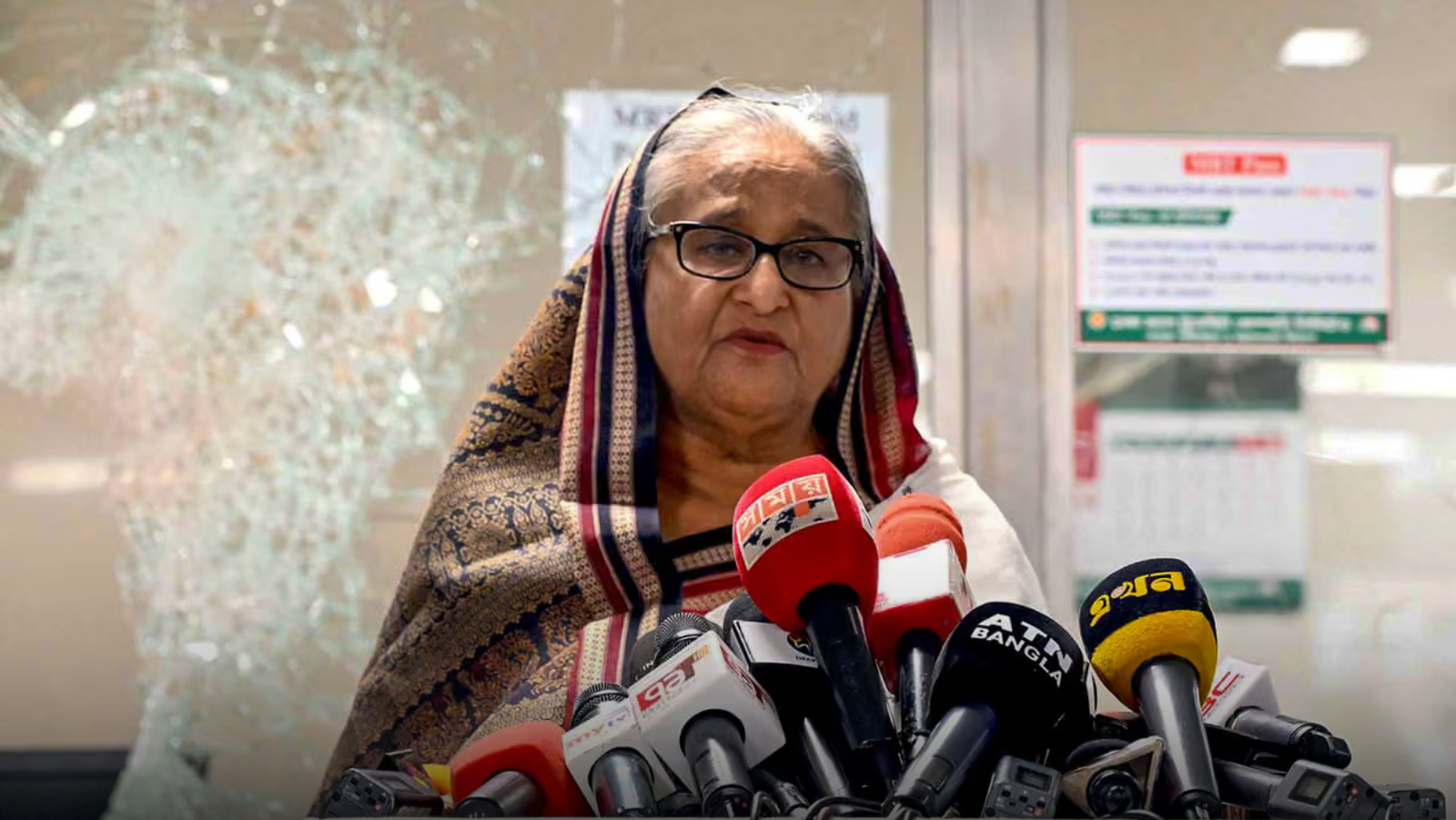
As Bangladesh prepares for its first national election since former prime minister Sheikh Hasina left the country, senior figures from her Awami League party living in India say they believe a political comeback is still possible.
Many of these exiled Awami League leaders are now based in Kolkata, a city near the Bangladesh border, where they have been regrouping after fleeing unrest and legal cases at home. In Bangladesh, numerous party members face accusations ranging from corruption to serious human rights violations linked to the final months of Hasina’s rule.
Hasina left office amid mass protests that escalated into violent clashes, with reports indicating hundreds were killed during a crackdown on demonstrators. The upheaval forced many of her allies to leave the country, with India becoming a key refuge.
Since then, Bangladesh’s interim authorities have suspended the Awami League’s political activities and barred the party from taking part in the upcoming vote. Investigations and legal proceedings against senior party figures are under way, including cases related to alleged abuses of power and misconduct while in government.
Despite the legal and political pressure, party loyalists in India say Hasina remains actively involved in directing strategy from abroad. They describe regular communication between her and party organizers inside Bangladesh, aimed at keeping networks intact and preparing for a future return to politics.
Supporters argue that preventing the Awami League from contesting the election undermines the credibility of the democratic process. They have accused the interim leadership of pursuing political revenge rather than ensuring a level playing field. The interim government has rejected such claims and has promised that the forthcoming polls will be free and fair.
Some former Awami League officials living in Kolkata say they have advised supporters at home to boycott the vote, describing the process as illegitimate without the participation of their party. Others insist the political climate in Bangladesh remains too dangerous for them to return, citing fears of arrest or violence.
Critics of the former government remain deeply skeptical of the Awami League’s renewed calls for democracy and human rights. During Hasina’s years in power, rights groups repeatedly raised concerns about restrictions on dissent, press freedom and the independence of state institutions. Allegations included enforced disappearances, arbitrary detentions and heavy-handed tactics against opponents.
At the same time, the interim administration has also faced scrutiny. Some observers say it has struggled to maintain law and order and has been accused of using security laws in ways that could limit free expression. Legal proceedings against former officials have also drawn debate over whether due process standards are being consistently upheld.
India’s role has added a regional dimension to the crisis. The presence of prominent Awami League figures on Indian soil has fueled tension between New Delhi and Dhaka. Bangladesh has sought cooperation in pursuing individuals facing charges, while Indian authorities have so far offered no public indication that they plan to force the exiled politicians to leave.
Public statements made by Hasina from India have further strained relations. In recent remarks, she criticized the interim leadership and questioned the legitimacy of the upcoming election, comments that prompted sharp responses from officials in Dhaka.
Among exiled leaders, there is little public acceptance of responsibility for the allegations linked to their time in office. Some dismiss the charges outright, while others acknowledge past shortcomings but argue that the political crisis has been exploited by rivals.
For many in the group, hopes of a return depend on the outcome of the election and the stability of the government that follows. They argue that if the next administration fails to deliver security and economic improvement, public sentiment could shift again.
While their future remains uncertain, the exiled Awami League figures say they are preparing for a long political struggle, convinced that their role in Bangladesh’s politics is not yet over.