

China No Longer Top US Defense Priority Under New Pentagon Strategy
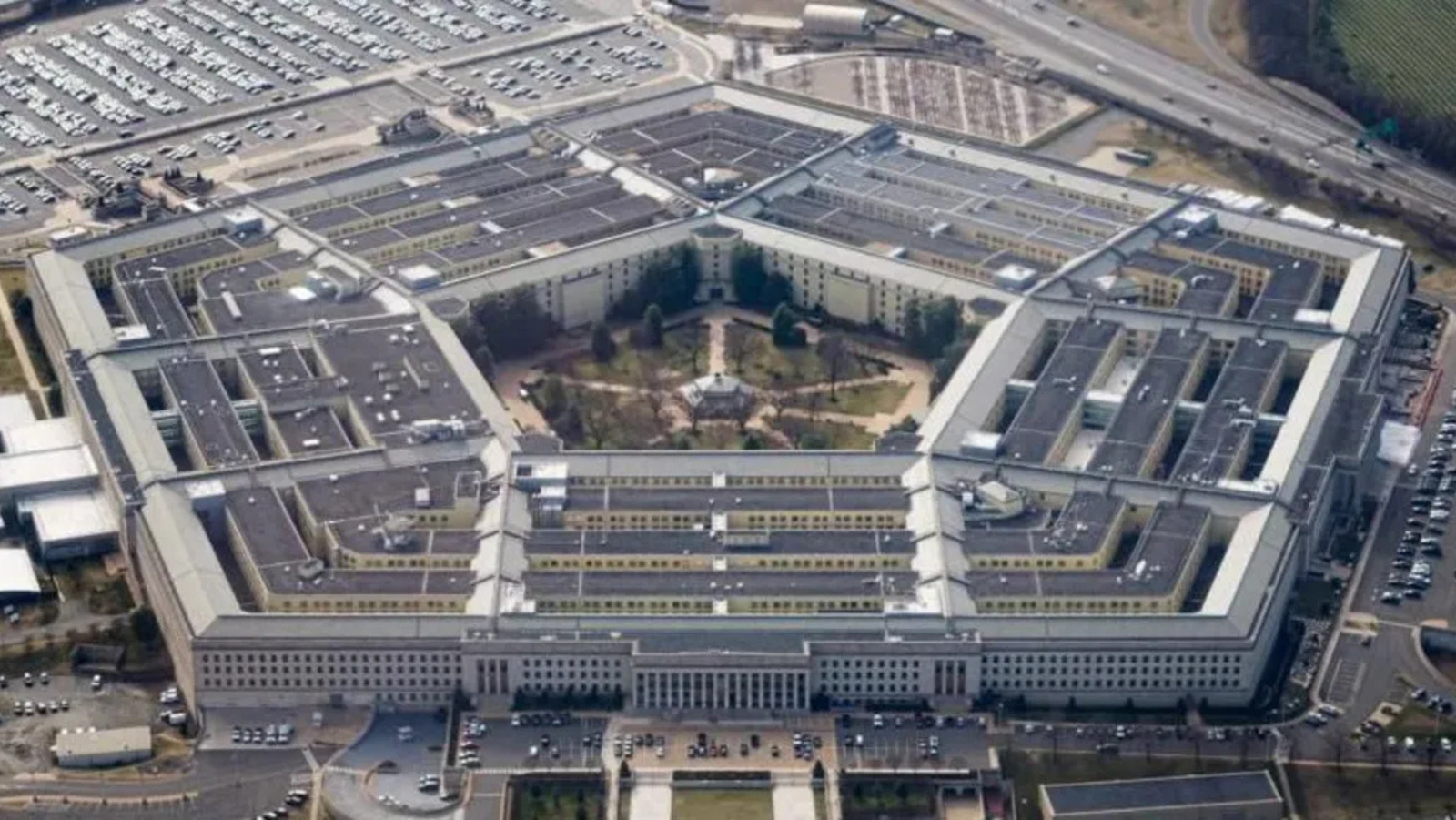
China is no longer the United States’ primary security concern, according to the Pentagon’s newly released National Defense Strategy, which places greater emphasis on protecting the US homeland and the Western Hemisphere.
The strategy document, updated every four years, states that Washington has spent too much time focusing on global commitments while neglecting the direct interests and security needs of the American people. As a result, the Pentagon says it will adopt a more restrained approach to supporting allies abroad.
The shift marks a clear departure from earlier defense strategies. Previous versions had identified China as the leading military and strategic challenge to the US, with both China and Russia described as central threats to American security.
The latest strategy largely reflects the policy direction taken during President Donald Trump’s return to office, prioritizing territorial access, economic security and regional dominance closer to home. The document stresses that the US will safeguard military and commercial access to strategically important areas, including key maritime routes and territories.
It describes the new approach as a break from what it calls overly ambitious post–Cold War policies, replacing them with a more pragmatic and interest-driven framework. The strategy emphasizes realism over ideology, stating that future decisions will be guided by concrete national priorities rather than global idealism.
Relations with China, the document notes, will be managed through strength rather than direct confrontation. It clarifies that the US does not seek to dominate or humiliate China, but aims to prevent any single power from gaining overwhelming influence over the US or its allies.
Notably, the strategy makes no direct reference to Taiwan, a departure from earlier documents, despite recent tensions in the region. However, it reaffirms Washington’s intention to block any nation from dominating strategic partners or regions critical to US interests.
The document also calls on US allies to take on a greater share of their own defense responsibilities. It argues that many partners have relied too heavily on American resources and funding, and stresses the need for fairer burden-sharing.
While rejecting claims that this approach signals a move toward isolationism, the Pentagon says the US will focus on threats that directly affect Americans, rather than treating distant conflicts as equal to domestic risks. Under this framework, allies — particularly in Europe — are expected to take the lead in addressing regional threats that pose less direct danger to the US.
Russia is described as a continuing but manageable threat, particularly to NATO’s eastern members, while North Korea is addressed with a more limited deterrence role, with regional partners expected to assume greater responsibility.
The strategy’s release comes amid broader global concerns about a weakening international order, with several world leaders warning of rising instability and the erosion of long-standing rules and alliances.
Analysts say the new defense strategy signals a major recalibration of US priorities, one that could reshape global security partnerships and redefine America’s role on the world stage.