

12-Year-Old Boy Dies After Shark Attack in Sydney Harbour
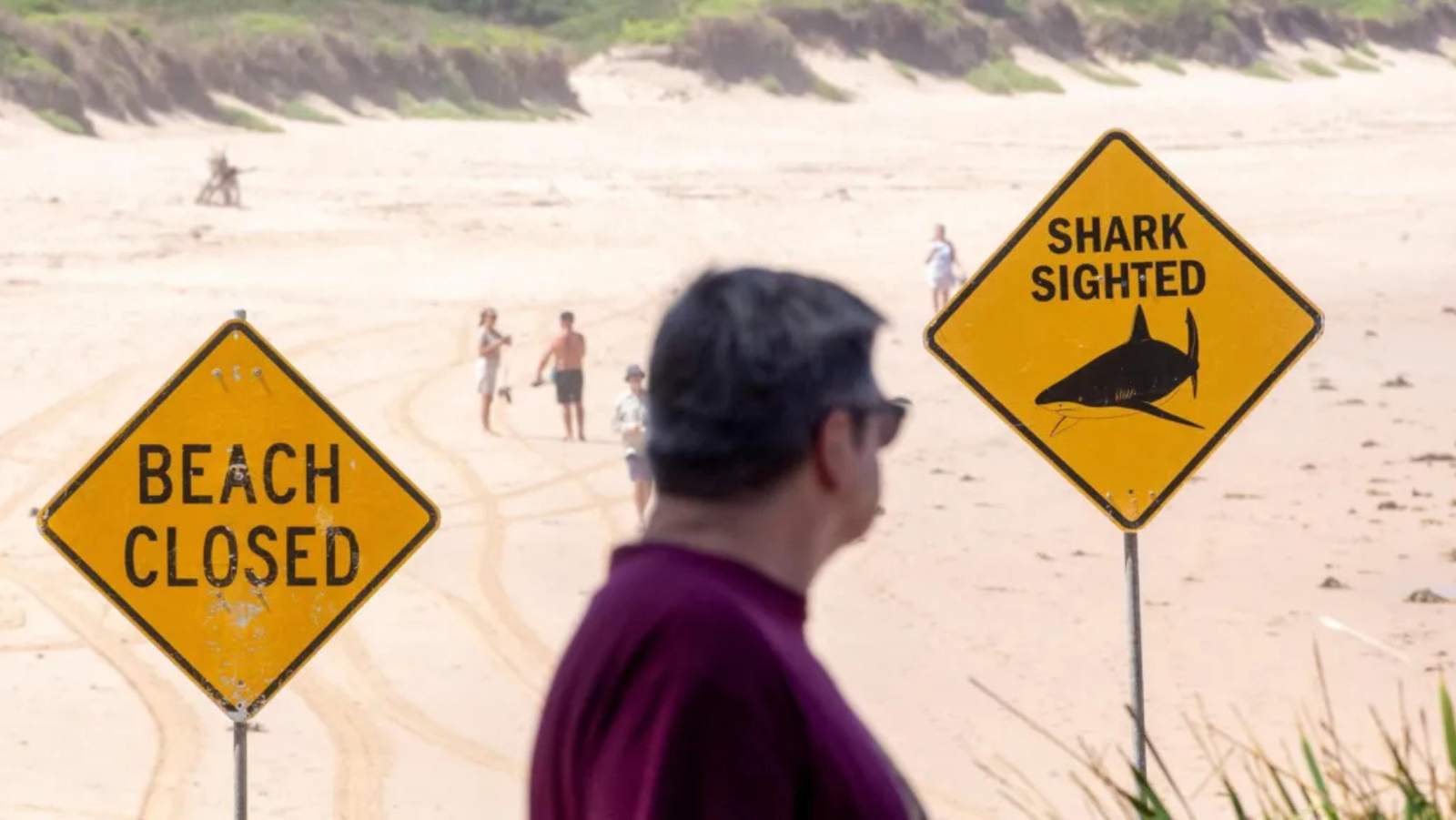
A 12-year-old boy has died from severe injuries sustained in a shark attack in Sydney Harbour, days after the incident shocked the local community.
The boy, identified as Nico Antic, was attacked while jumping into the water from a rock ledge with friends on January 18. Authorities believe the shark involved was likely a bull shark, a species known to frequent murky coastal waters.
In a statement released by his family, Nico’s parents said they were devastated by the loss of their son, describing him as a cheerful, kind-hearted and energetic child who brought joy to those around him.
Friends who were with Nico at the time of the attack were praised for their courage after immediately entering the water to help him. Emergency services rushed him to hospital with critical leg injuries, where he underwent surgery and was placed in an induced coma. Despite intensive medical care, he later succumbed to his injuries.
An online fundraising campaign launched to support the family has raised a significant sum, reflecting the widespread outpouring of grief and support from the community.
The incident occurred amid a series of shark encounters along the New South Wales coastline over several days. In separate cases, surfers and swimmers reported close encounters with sharks, with some sustaining serious injuries while others narrowly escaped unharmed.
Marine experts say recent heavy rainfall may have contributed to the spike in shark activity. Bull sharks, in particular, are drawn to murky water conditions, which are intensified after prolonged rain. Runoff can also attract marine life closer to shore, increasing the likelihood of encounters.
Following the attacks, several beaches across Sydney were temporarily closed as a safety precaution. Many have since reopened as weather conditions improved ahead of the Australia Day long weekend.
Authorities continue to urge beachgoers to remain cautious, follow local safety warnings and avoid swimming in areas affected by poor water visibility.

I’m typically to running a blog and i really appreciate your content. The article has actually peaks my interest. I am going to bookmark your web site and keep checking for new information.