

Saudi Arabia Emerges as Potential Powerhouse in Global Rare Earth Minerals Race
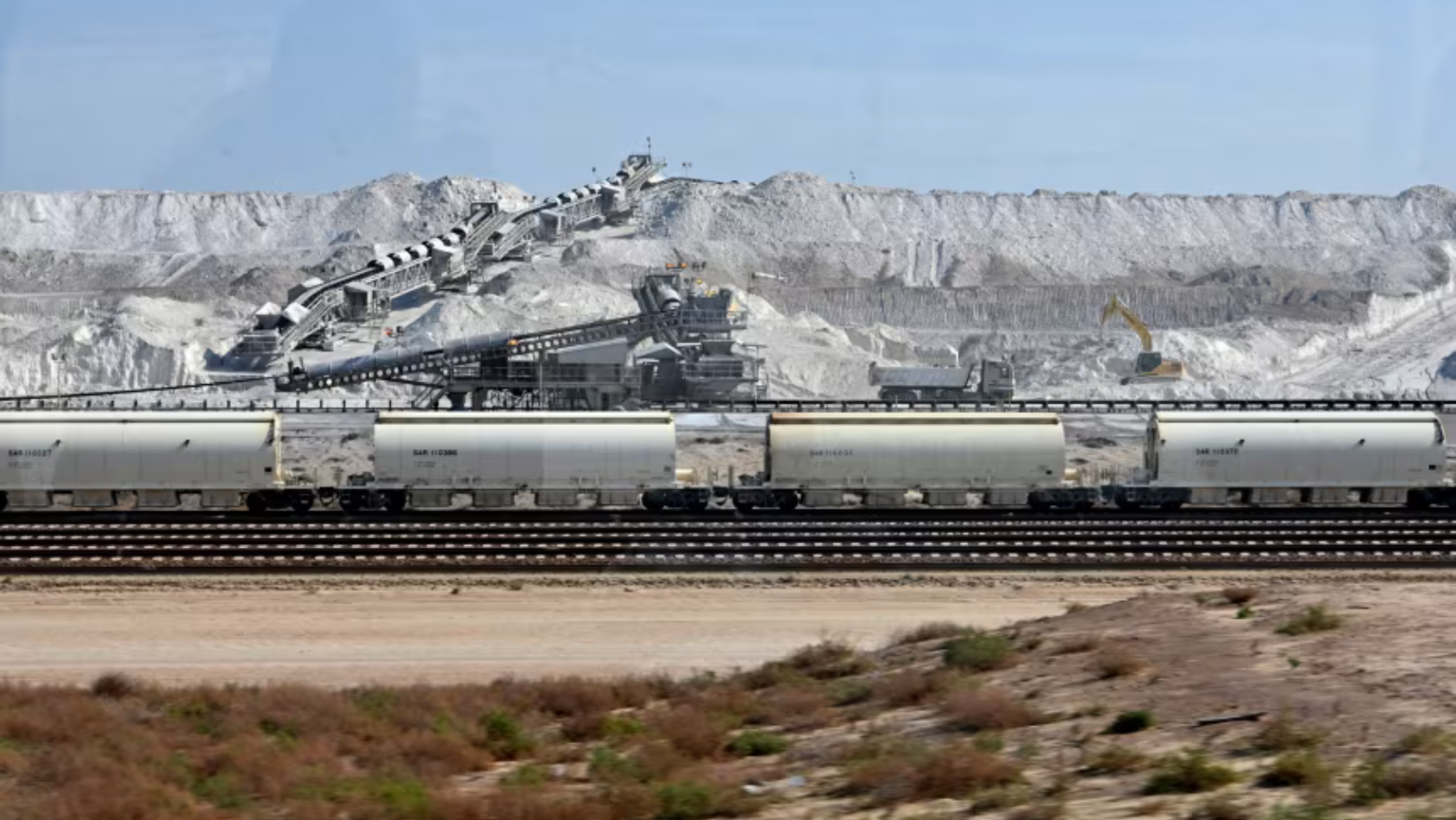
Saudi Arabia has revealed that it holds an estimated $2.5 trillion worth of mineral reserves, a development that could position the kingdom as a major player in the global race for critical and rare earth minerals.
The renewed global focus on minerals comes as major powers compete to secure supplies essential for clean energy technologies, artificial intelligence, electric vehicles and advanced defense systems. These minerals are currently dominated by a single global supplier, creating strategic vulnerabilities for many countries.
Saudi Arabia’s reserves reportedly include gold, copper, zinc and lithium, along with rare earth elements such as neodymium, dysprosium, terbium and praseodymium — materials widely used in electric cars, wind turbines, electronics and high-speed computing.
In recent years, the kingdom has rapidly expanded its mining ambitions as part of a broader effort to reduce its dependence on oil revenues. Spending on mineral exploration has surged sharply since 2021, and the government has accelerated the licensing of mining sites to both local and international companies.
Despite the progress, industry experts caution that mining is a long-term endeavor. Developing processing facilities and supply chains can take many years, and transforming raw materials into usable end products remains a major challenge.
To attract investment, Saudi Arabia has introduced regulatory reforms, reduced taxes for mining projects and committed to large-scale funding. State-owned mining company Maaden has announced plans to invest $110 billion over the next decade, focusing on metals, mining infrastructure, international partnerships and talent development.
While the value of Saudi Arabia’s mineral resources remains smaller compared to its vast oil reserves, mining plays a central role in the country’s Vision 2030 strategy, which aims to diversify the economy. Beyond extraction, the plan includes building domestic supply chains, supporting electric vehicle manufacturing and expanding industrial capacity.
Experts say the kingdom’s growing infrastructure could also allow it to become a regional hub for refining critical minerals mined in Africa and Central Asia. Its geographic location, energy availability and industrial expertise offer logistical advantages.
Saudi Arabia’s ambitions have attracted strong international interest, particularly from the United States. Recent agreements include cooperation on mineral processing and refinery development, aimed at reducing reliance on existing global supply chains.
Supporters argue that the kingdom’s reliable energy supply and experience in large-scale industrial operations could make mineral processing more cost-effective and potentially more environmentally efficient. However, environmental concerns remain, especially regarding transparency and the ecological impact of mining operations.
Analysts note that geopolitical instability in parts of the Middle East and Africa could present challenges. Still, long-standing relationships with resource-rich regions may help Saudi Arabia secure alternative supply routes.
Observers believe the kingdom’s mineral strategy is less about immediate financial returns and more about long-term geopolitical influence, positioning Saudi Arabia as a key node in future global supply chains.
As global demand for critical minerals continues to rise, Saudi Arabia’s expanding role could reshape the balance of power in the resources essential to tomorrow’s technologies.
You could definitely see your enthusiasm within the work you write. The arena hopes for more passionate writers like you who aren’t afraid to say how they believe. Always go after your heart.