
US Weighs Next Move on Iran as Pressure Builds on White House
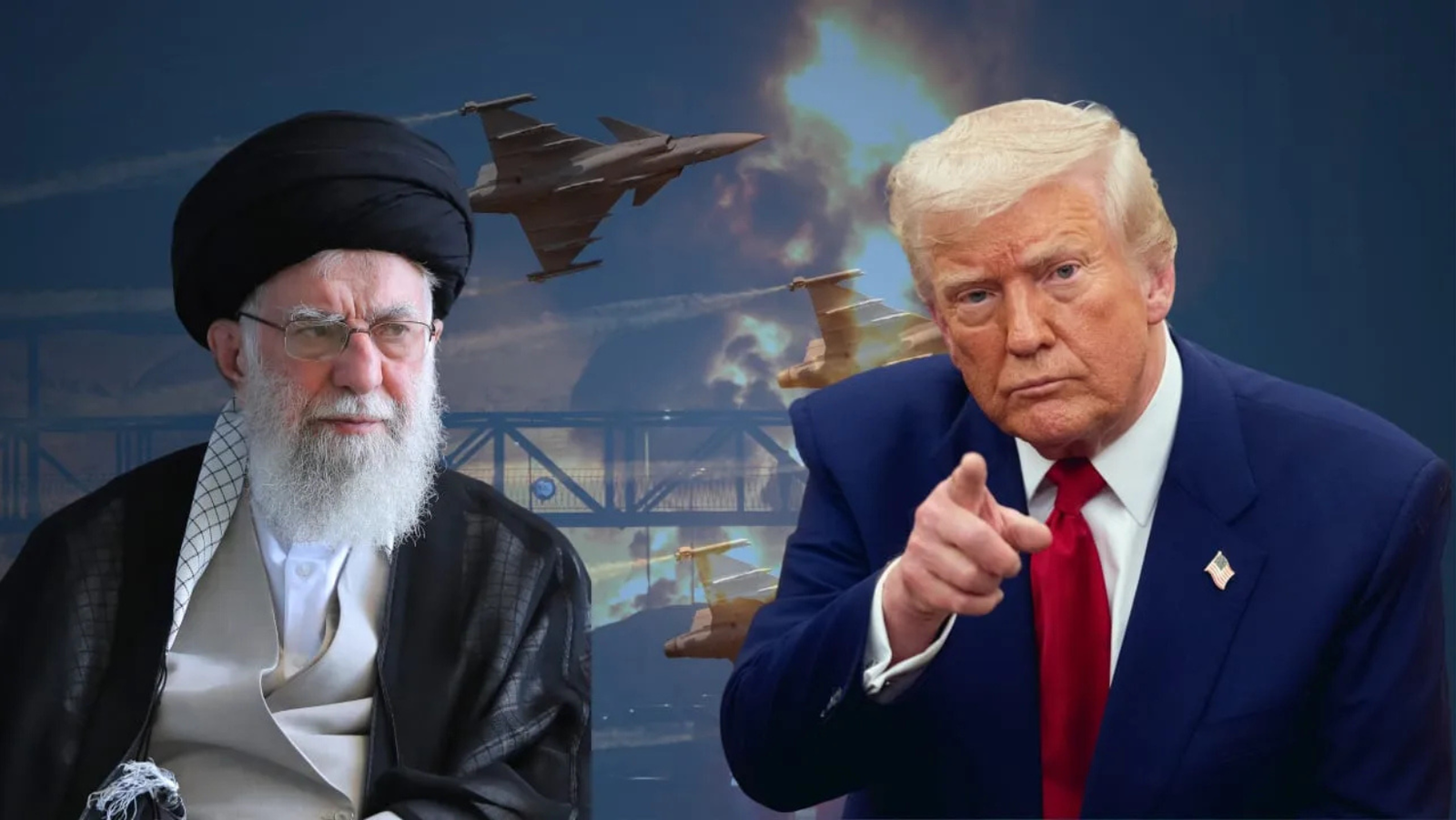
President Donald Trump is facing a defining moment as the United States weighs how to respond to Iran’s intensifying crackdown on protesters and the growing instability inside the country.
Just days ago, Trump said Washington was prepared to come to the “rescue” of demonstrators if Iranian authorities resorted to violence. At the time, he described the US military as “locked and loaded.” Since then, the scale of the crackdown has become clearer, with reports of mass arrests and hundreds of deaths, placing renewed pressure on the White House to act.
Administration officials say the president is now reviewing a range of possible responses. Speaking aboard Air Force One over the weekend, Trump said he was considering “very strong options,” as senior advisers prepare to brief him on potential courses of action.
Buoyed by what he has described as recent foreign policy successes elsewhere, the temptation to rely on military force is said to be strong. The United States has already demonstrated its ability to strike Iran from long distance, carrying out complex aerial missions that targeted sensitive sites deep inside the country. Officials believe similar operations could be repeated, or expanded, to include more targeted actions against elements of the Iranian leadership responsible for the current repression.
Beyond conventional military strikes, planners are also examining quieter methods. These include cyber operations and psychological campaigns designed to disrupt internal command systems and weaken the government’s grip on power without deploying troops on the ground.
One option widely seen as unlikely is a full-scale intervention aimed at removing the leadership. Despite economic strain and political unrest, Iran remains a hardened state with deep security structures. Analysts warn that removing a single figure would not necessarily shift the balance of power, and could instead trigger a dangerous backlash.
The president has himself acknowledged the risks of deeper involvement, often citing past failures of US operations in Iran as examples of how quickly bold plans can unravel. Those historical lessons continue to shape internal debates over how far Washington should go.
At the heart of the discussion is a fundamental question: what exactly is the administration seeking to achieve? Some officials believe Trump’s primary goal is to pressure Iran into changing its behavior rather than overthrowing the system altogether. Others suggest the aim could be to force concessions in nuclear negotiations, halt the violent crackdown, or push the leadership toward limited reforms that might ease sanctions.
Behind the scenes, there are signs that Tehran has attempted to reopen channels of communication. While Iranian leaders publicly maintain a defiant tone, US officials say private messages have suggested interest in dialogue, particularly over nuclear issues. Within the administration, a number of senior figures are said to favor giving diplomacy more time before turning to force.
Yet the continued bloodshed complicates that approach. Critics warn that prolonged talks could be interpreted as weakness and may demoralize protesters who are risking their lives in the streets. As reports of abuses emerge despite severe internet restrictions inside Iran, the pressure on Trump to act grows stronger.
Some advisers argue that even a limited strike could shift the balance by sowing uncertainty within the Iranian leadership and encouraging protesters. Others caution that such action could have the opposite effect, uniting factions of the population behind the government and strengthening hardliners.
The risks extend far beyond Iran’s borders. Despite recent setbacks to its regional allies, Tehran still retains significant military capabilities, including a large arsenal of ballistic missiles. Armed groups aligned with Iran in parts of the Middle East also remain capable of responding to any escalation, raising the prospect of a wider regional conflict.
Adding to the urgency are voices from Iran’s opposition abroad. Reza Pahlavi, the son of the country’s last monarch, has urged Washington to act decisively, arguing that faster intervention could save lives and accelerate the collapse of the current system.
For now, the world is watching as President Trump weighs his options. Whether he chooses diplomacy, limited force, or a more aggressive path, the decision will shape not only the future of Iran’s unrest, but also the direction of US policy in one of the world’s most volatile regions.
I’ve been absent for a while, but now I remember why I used to love this web site. Thanks , I will try and check back more often. How frequently you update your web site?