
US Considers Military and Covert Options as Iran Crisis Intensifies
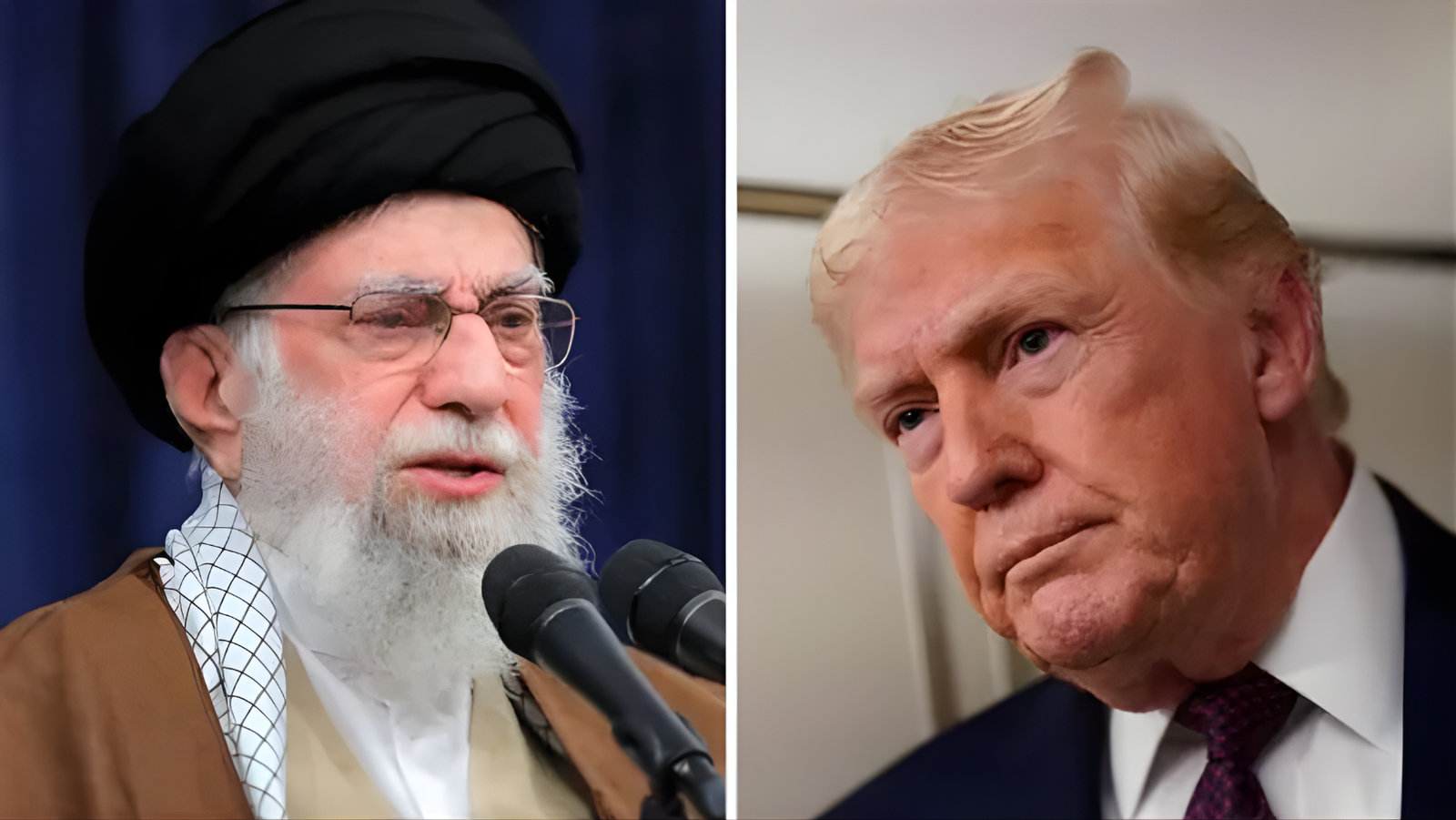
President Donald Trump has been briefed on a range of military and covert strategies as Washington weighs its response to the deepening crisis in Iran, according to officials familiar with the discussions.
The options include long-range missile strikes, cyber operations and psychological campaigns designed to disrupt Iran’s command systems and internal coordination. While no final decision has been taken, sources say air power would likely play a central role if the United States chooses to intervene.
The developments come as Iran faces one of the most serious waves of unrest in decades. Weeks of anti-government protests, driven by economic hardship and political frustration, have led to hundreds of deaths. Human rights groups say more than 600 demonstrators have been killed in just three weeks, including several under the age of 18.
Trump has warned that the United States is prepared to take “very strong action” if the violence continues. He has also said Iranian officials have privately expressed interest in talks, even as Tehran maintains that it is “prepared for war.”
On Monday, the White House announced a new economic measure targeting countries that continue commercial ties with Iran. A 25% tariff will be imposed on goods from nations doing business with Tehran, a move aimed at increasing financial pressure on the Iranian government.
The decision adds to the strain on an economy already weakened by sanctions, soaring inflation and a rapidly falling currency. Food prices have reportedly surged by as much as 70%, fueling public anger and deepening a crisis of confidence in the country’s leadership.
Senior national security officials are expected to meet this week to assess the situation. While diplomatic channels remain open, sources say the administration is also preparing for scenarios that could include targeted military action, cyber disruption of communications and efforts to weaken Iran’s internal security structure.
The US government has urged its citizens in Iran to leave the country or ensure they have plans to depart without relying on official assistance.
Iran’s Supreme Leader Ayatollah Ali Khamenei has accused Washington of acting in bad faith, while praising large pro-government rallies held across several cities. State media has reported strong public turnout, though independent verification remains difficult due to ongoing internet restrictions.
From abroad, Reza Pahlavi, the son of Iran’s last monarch, has urged Washington to act quickly, warning that delays could lead to further loss of life. He said the current leadership is attempting to buy time through diplomatic signals while continuing its crackdown at home.
With reliable information increasingly hard to obtain inside Iran, the true scale of the crisis remains unclear. What is evident, however, is that the country has reached a pivotal moment, and decisions taken in Washington in the coming days could shape the future of the region and determine whether diplomacy or force defines the next phase of this unfolding conflict.

Appreciate it for this wondrous post, I am glad I observed this website on yahoo.