

Norway lutefisk tradition sees festive revival
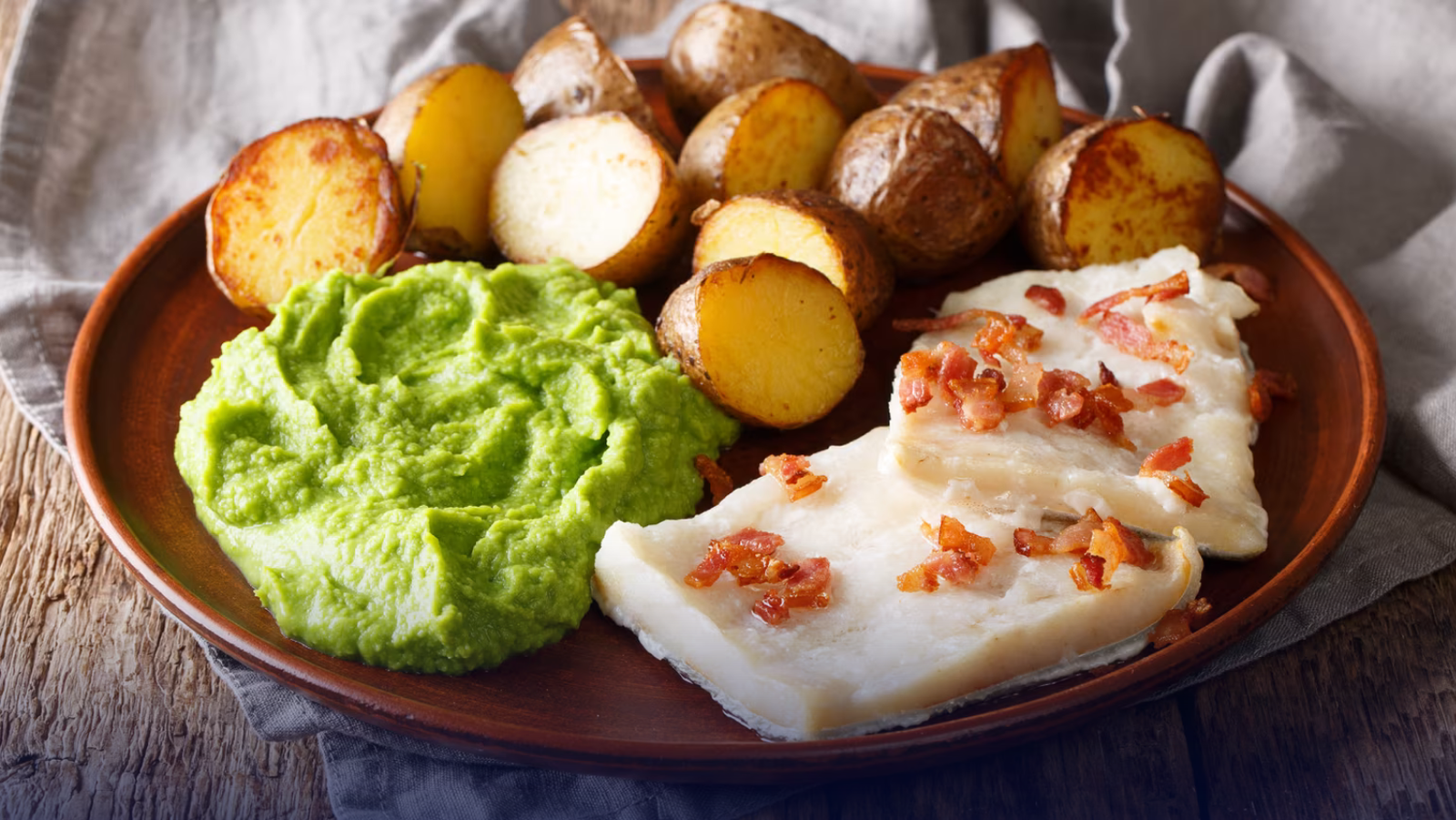
Norway lutefisk, the country’s traditional Christmas dish made from dried whitefish, is experiencing a revival despite its divisive reputation. Known for its translucent, jelly-like appearance and strong aroma, lutefisk remains a holiday staple in many Norwegian homes.
The dish, pronounced loo-tah-fissk, undergoes a unique preparation process. Dried cod, or stockfish, is soaked in lye—a corrosive solution also known as sodium hydroxide—before being thoroughly rinsed and cooked. The process gives lutefisk its distinctive texture and flavor while remaining completely safe to eat.
Norway lutefisk: festive tradition and family nostalgia
For many Norwegians, lutefisk is inseparable from Christmas celebrations. Jessica Furseth, who grew up in Trøndelag, recalls her childhood memories of Christmas Eve dinners featuring lutefisk alongside lefse, Norwegian potato flatbread. While she once complained about the fish’s strong taste and smell, she now embraces the dish as part of holiday tradition.
Her mother, Magni Ree, emphasizes that lutefisk is more than a meal—it’s a symbol of nostalgia. “When I was a child I didn’t like lutefisk either, but now I love it,” she said. “It’s about the mood, the tomtebrygg, and the tradition. Lutefisk belongs to Christmas.”
Norway lutefisk revival reflects changing tastes
Despite its polarizing reputation, Norway lutefisk has been gaining renewed popularity as younger generations rediscover the dish. Chefs and culinary enthusiasts are experimenting with modern twists while preserving the traditional techniques, making it appealing to both nostalgic diners and newcomers alike.
Food experts suggest that the revival reflects a broader trend in Norway of reconnecting with traditional cuisine, especially during the holiday season. Lutefisk, long considered a challenging dish, now represents heritage, family, and festive celebration.