

Saudi Program Identifies 165 Native Plant Species for Afforestation in Asir Region
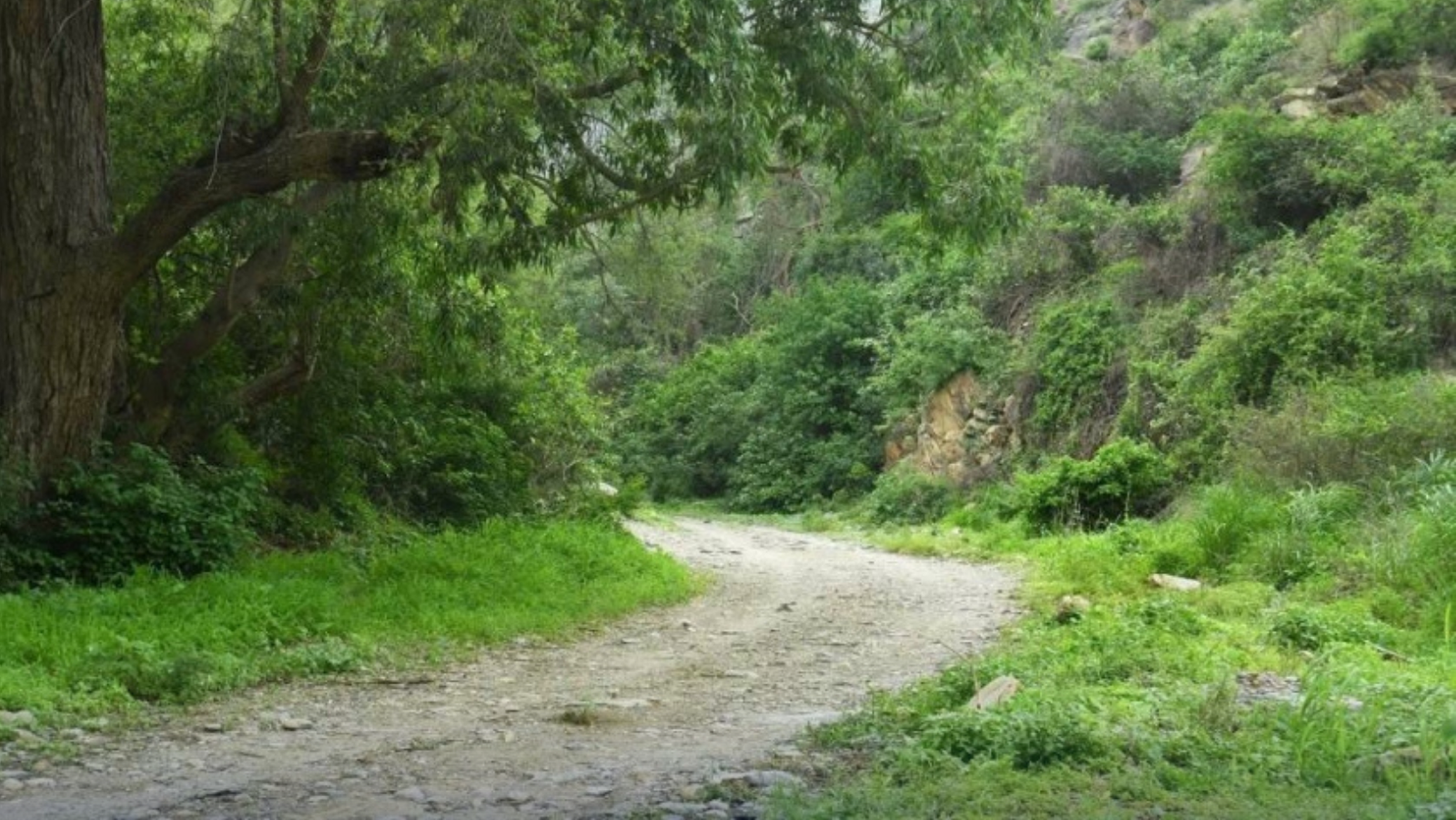
Saudi Arabia’s National Afforestation Program has identified more than 165 native plant species suitable for afforestation projects in the Asir region, underscoring the area’s rich environmental diversity and its role in the Kingdom’s long-term sustainability strategy.
The initiative forms part of national efforts to increase vegetation cover, reduce land degradation, and support environmental objectives aligned with Vision 2030 and the Saudi Green Initiative.
Officials said the identified species are naturally distributed across various ecosystems in Asir, including mountain ranges, highlands, valleys, slopes, plains, rocky terrain, and coastal zones extending from the Red Sea to the Tihama region. This diversity enables targeted afforestation that matches local climate and soil conditions.
The plant species belong to a wide range of botanical families, reflecting the ecological richness of the region. These include families commonly found in arid, semi-arid, and coastal environments, making them well suited for sustainable planting initiatives.
Plants selected for afforestation include large and small trees, shrubs, herbs, succulents, bulbs, and climbing plants, allowing flexibility in land rehabilitation projects. Among the notable native species are grey mangrove, juniper, wild olive, sycamore fig, moringa, henna, wild jasmine, hawthorn, mastic tree, and arak, all known for their resilience and environmental value.
Environmental specialists highlighted that prioritizing native plant species is critical to sustainable afforestation. Native plants require fewer water resources, adapt more effectively to local ecosystems, and help preserve biodiversity while improving soil stability.
They also stressed that long-term success relies on coordination between government institutions, nonprofit organizations, private-sector partners, and local communities, alongside awareness campaigns that promote environmental responsibility.
The National Afforestation Program continues to encourage community participation through volunteer initiatives and environmental education, while discouraging practices that harm natural habitats. The program focuses on using species that are already adapted to local conditions to ensure long-term ecological and economic sustainability.
In parallel, vegetation restoration projects are expanding in other regions of the Kingdom to support research, seed production, and large-scale planting. These efforts aim to strengthen national capacity in native plant propagation and habitat rehabilitation.
Together, these initiatives reflect Saudi Arabia’s growing commitment to environmental protection, biodiversity conservation, and sustainable land management as part of its broader development goals.

You really make it seem so easy with your presentation but I find this topic to be really something that I think I would never understand. It seems too complex and very broad for me. I’m looking forward for your next post, I will try to get the hang of it!