US Airstrikes in Nigeria Kill ISIS Militants
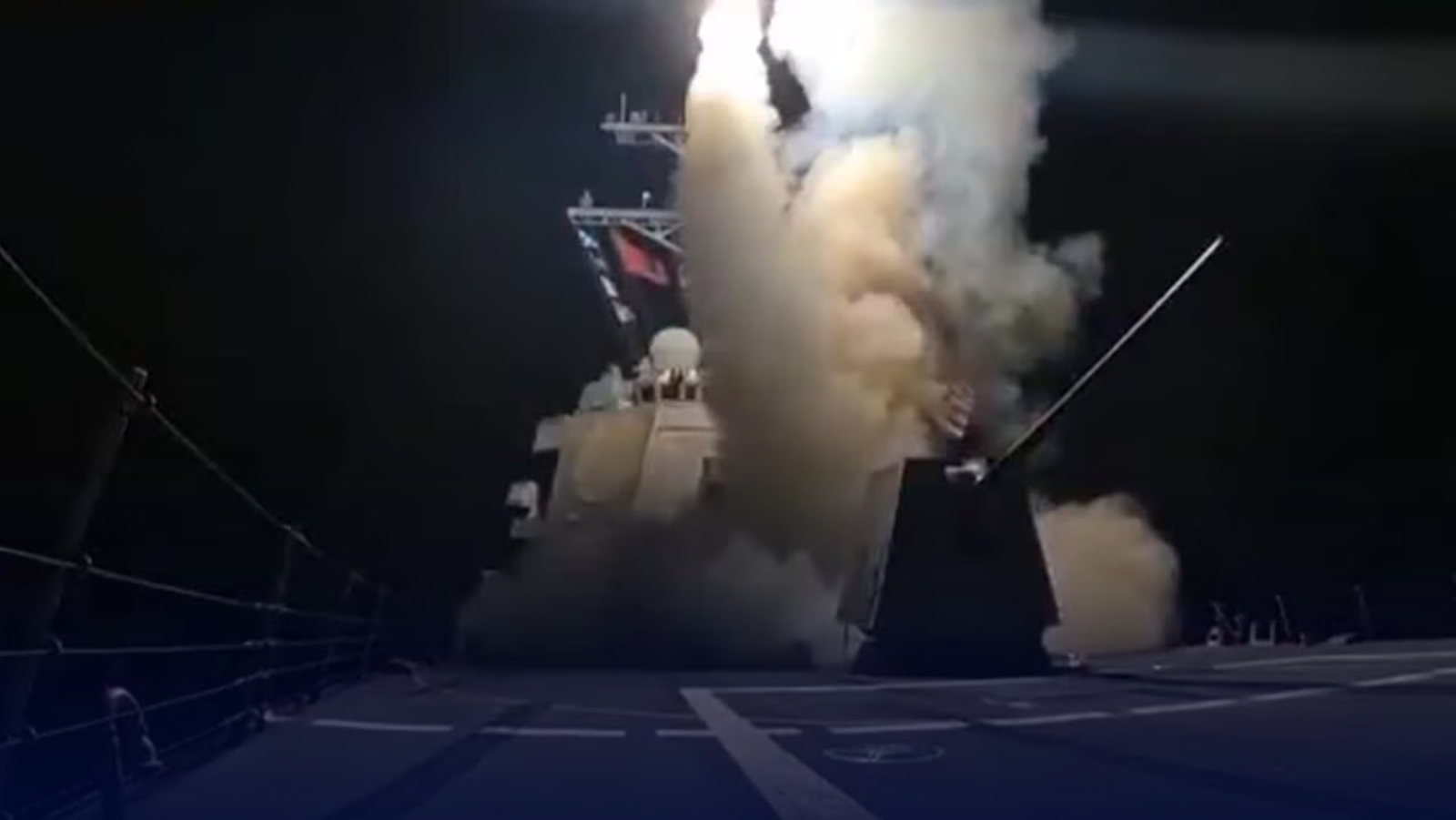
US airstrikes in Nigeria were carried out after President Donald Trump authorized a military operation against Islamic State-linked militants operating in the country’s northwest, according to official statements released Thursday.
The operation, conducted in Sokoto State near the Niger border, targeted multiple militant camps believed to be used by ISIS-affiliated fighters. US military officials said the strikes were coordinated with Nigerian authorities and resulted in the deaths of several suspected terrorists.
President Trump announced the action on social media, claiming the militants had been responsible for attacks on civilian communities. He later said the timing of the operation was deliberately adjusted so the strikes occurred during the Christmas period.
US airstrikes in Nigeria coordinated with Nigerian government
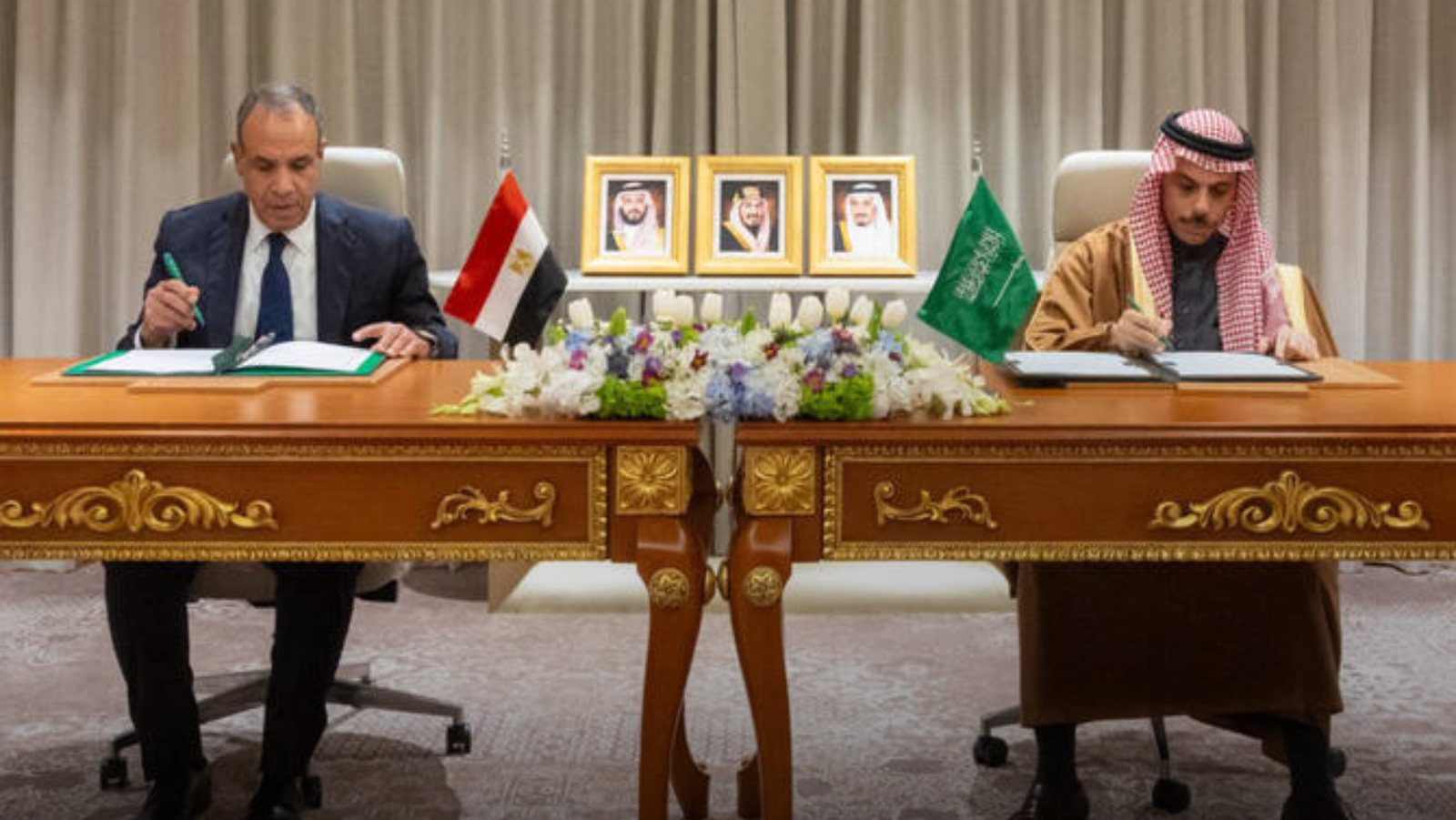
US Africa Command confirmed that US airstrikes in Nigeria were executed with the approval of Nigeria’s leadership. Nigerian Foreign Minister Yusuf Tuggar said President Bola Tinubu authorized the operation after consultations with senior US officials.
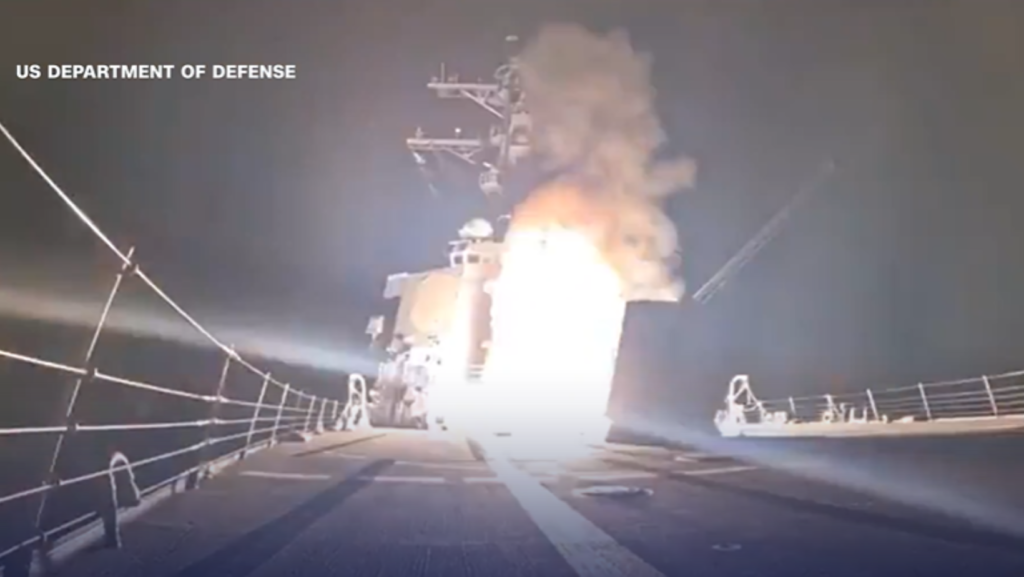
AFRICOM stated that its preliminary assessment indicated “multiple ISIS fighters” were killed when two camps were hit. A US official disclosed that naval-launched cruise missiles were used during the operation, underscoring the scale and precision of the attack.
Defense officials emphasized that the mission was part of broader counterterrorism cooperation between Washington and Abuja, aimed at reducing extremist threats across West Africa.
Officials reject religious framing of the conflict
Nigerian authorities moved quickly to counter claims that the conflict is religious in nature. Tuggar stressed that terrorism affects all Nigerians regardless of faith, pointing out that many victims of extremist violence in the Sahel region are Muslim.
He noted that Nigeria remains open to working with any international partner willing to assist in combating militant groups destabilizing the region. Security in northwestern Nigeria has deteriorated in recent years due to armed factions operating in remote forest areas.
Militant groups under increased pressure
Security analysts believe the strikes may have targeted Lakurawa, a violent faction that has expanded its influence across several northern states. The group was officially designated a terrorist organization by Nigerian authorities earlier this year after a surge in attacks on rural communities and security forces.
Experts say US airstrikes in Nigeria could weaken militant networks that exploit porous borders and limited state presence in remote areas.
Wider regional implications
US airstrikes in Nigeria come amid growing concern over extremist expansion in West Africa, particularly across the Sahel, which has recorded the fastest rise in violent extremist activity globally.
Analysts warn that sustained international cooperation will be required to prevent militant groups from regrouping. While Nigerian officials welcomed the latest operation, they emphasized that long-term stability will depend on intelligence sharing, economic development, and stronger local security capacity.
US airstrikes in Nigeria are expected to continue playing a role in broader counterterrorism efforts as both countries confront evolving security threats in the region.